Key Takeaways
- Understand the step-by-step pet chemotherapy process, from initial consultation to follow-up care.
- Learn how common side effects in pets differ significantly from those in humans and how they are managed.
- Discover practical ways to support your pet at home to maintain their comfort and quality of life.
- Find expert, compassionate veterinary oncology care in the Twin Cities, including Brooklyn Park and Eden Prairie.
Understanding How Chemotherapy Works for Pets
Hearing the word “cancer” in relation to your beloved pet is a deeply emotional and overwhelming experience. It’s natural to feel a mix of fear, sadness, and uncertainty about the future. When chemotherapy is recommended as part of a treatment plan, many pet parents immediately picture the difficult human experience. However, it’s crucial to understand that veterinary oncology has a different primary goal: ensuring and extending a high quality of life.
Unlike in human medicine, where the aim is often an aggressive cure at any cost, our veterinary oncology services focus on managing the disease, slowing its progression, and keeping your pet comfortable, happy, and active for as long as possible. This is achieved by using lower doses of chemotherapy drugs and different protocols tailored specifically for dogs and cats.
The most important takeaway for concerned pet parents is that most pets tolerate chemotherapy remarkably well. They don’t typically experience the severe nausea and hair loss associated with human treatments. Our “invested” approach at Allied means we see this as a partnership. We are committed to creating a treatment plan that fits your pet’s specific diagnosis and your family’s goals, ensuring their comfort and well-being are the top priorities at every stage.
Your Pet’s First Chemotherapy Visit: A Step-by-Step Walkthrough
The unknown can be a major source of anxiety, so knowing what to expect on the day of treatment can bring significant peace of mind. Our team is dedicated to making the process as smooth and stress-free as possible for both you and your pet.
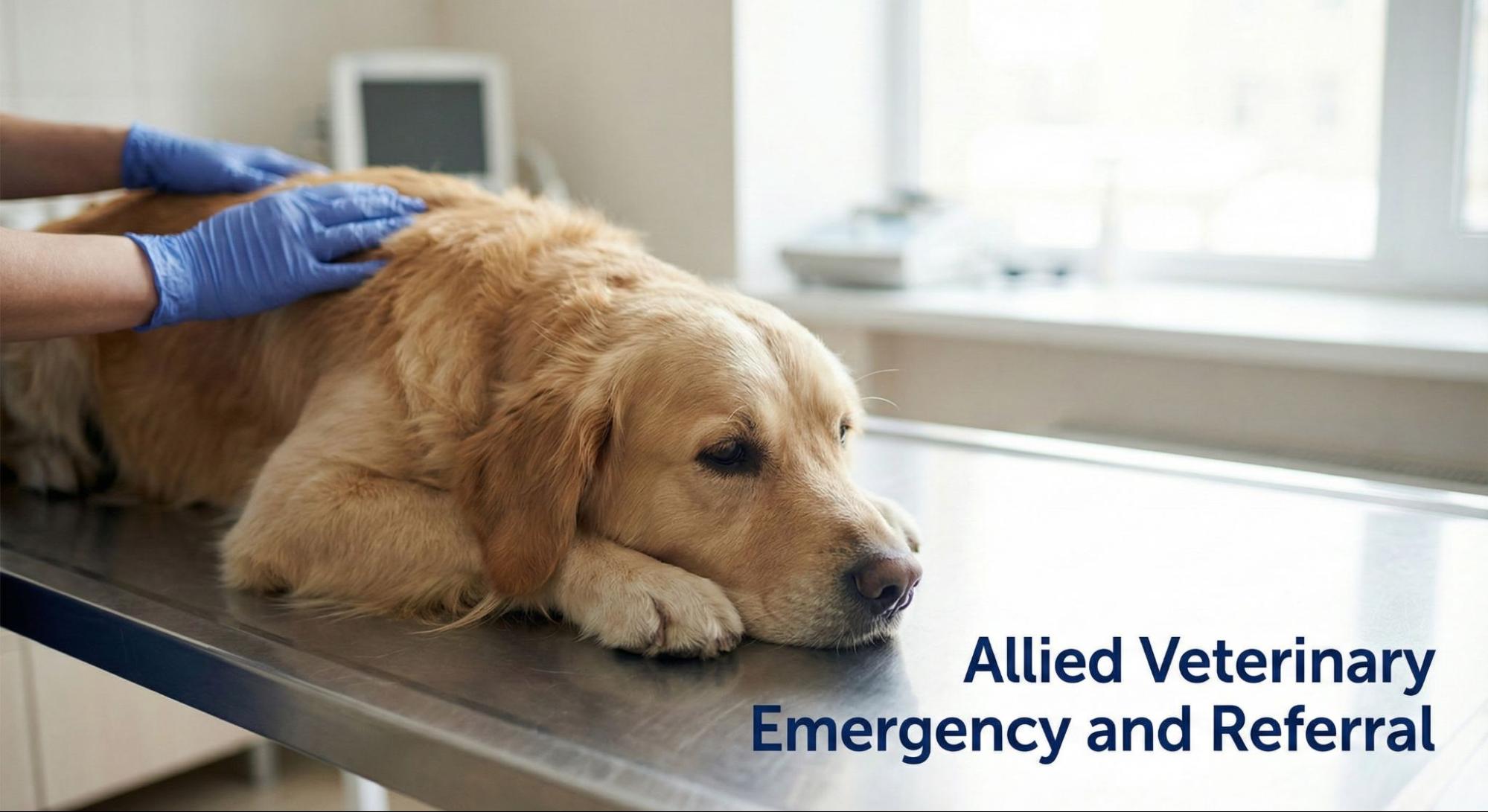
Your first visit begins with a calm check-in process. A veterinary technician will welcome you, review any questions you have, and take your pet’s vital signs. Next, one of our veterinarians will perform a thorough physical examination to ensure your pet is feeling well and is a good candidate for treatment that day.
Before administering any medication, we will perform a complete blood count (CBC). This quick blood test is essential for checking your pet’s white and red blood cell counts, ensuring their immune system is strong enough to handle the therapy. This is a critical safety step that protects your pet’s health. In some cases, advanced diagnostic imaging may have been used previously to stage the cancer, but on treatment day, the focus is on their current health status.
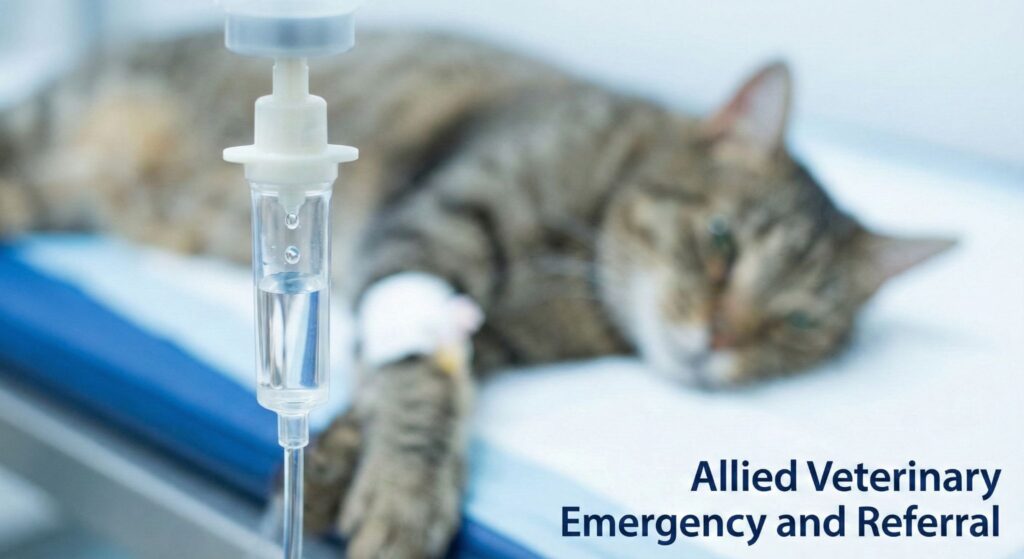
Once cleared for treatment, your pet will be taken to a quiet, dedicated area of our hospital. They will be cared for by our skilled and compassionate team, who are specially trained in administering these medications safely. The chemotherapy is typically given as an injection or a slow IV infusion. Throughout the process, your pet is monitored closely for any signs of discomfort. Most pets simply relax or nap during their session. After the treatment is complete, a period of observation ensures they are stable before they are ready to go home with you, along with detailed instructions for at-home care.
Common Side Effects and How We Proactively Manage Them
The fear of side effects is the number one concern for pet owners considering chemotherapy, and it’s a valid one. However, severe side effects are the exception, not the rule. Because we use lower doses, fewer than 20% of pets experience noticeable side effects, and most of those are mild and short-lived. Our team focuses on proactive management to prevent discomfort before it even starts.
Gastrointestinal Upset (Nausea, Diarrhea)
This is the most common side effect, but it’s often preventable. We routinely send pets home with effective anti-nausea medications to be given before any potential stomach upset occurs. We also provide clear dietary recommendations, such as offering smaller, more frequent meals of a bland diet if their appetite wanes.
Fatigue or Low Energy
Some pets may seem more tired than usual for a day or two following a treatment. This is a normal response as their body processes the medication. We encourage pet owners to let their companions rest as much as they need, providing a quiet and comfortable space for them to recharge.
Lowered White Blood Cell Counts
Chemotherapy can temporarily suppress the bone marrow, which may lead to a lower count of infection-fighting white blood cells. This is why pre-treatment bloodwork is so important. If counts are too low, we will postpone treatment to allow the immune system to recover. At home, this simply means you should monitor for any signs of infection, like lethargy or fever.
Hair Loss (and why it’s rare in most breeds)
Significant hair loss is very rare in chemotherapy for dogs and cats. While humans lose their hair because their hair follicles are always growing, most dogs and cats have follicles that cycle through growth and rest phases. Only breeds with continuously growing hair, like Poodles, Old English Sheepdogs, and some terriers, may experience some hair thinning or loss. Whiskers may also become brittle and fall out, but they will grow back after treatment is complete.

How You Can Support Your Pet at Home
Your role in your pet’s cancer journey is invaluable. The care and comfort you provide at home are just as important as the medical treatment they receive at our hospital. Creating a supportive, low-stress environment can make a world of difference in their well-being.
Here are a few practical ways you can help your pet thrive during treatment:
- Create a Sanctuary: Designate a quiet, comfortable, and easily accessible space where your pet can rest undisturbed. Make sure their bed, water, and food are nearby.
- Encourage Gentle Activity: While strenuous exercise should be avoided, gentle walks and light play can help maintain muscle tone and a positive mental state. Follow your pet’s lead; if they seem tired, let them rest.
- Monitor Appetite and Hydration: Pay close attention to how much your pet is eating and drinking. If their appetite decreases, try tempting them with warmed-up food or a small amount of a high-value treat.
- Know When to Call: Our team will provide a clear list of signs to watch for. If you ever notice severe lethargy, persistent vomiting or diarrhea, or refusal to eat, don’t hesitate to call. For urgent concerns after hours, our 24/7 emergency services are always available.
- Practice Safe Handling: Small amounts of chemotherapy drugs can be present in your pet’s urine and feces for a couple of days after treatment. Wear gloves when cleaning up waste and wash your hands thoroughly afterward.
For more information and helpful articles, you can explore our Resources for Pet Parents, designed to support you through every step of your pet’s care.
Compassionate Pet Oncology in the Twin Cities
Navigating pet cancer treatment in Minnesota requires a team that is not only medically excellent but also deeply empathetic. As a locally owned and independent practice, Allied Veterinary is built on a foundation of connection and compassion. You can learn more about Allied Veterinary and our invested philosophy. We believe in partnering with you to provide the best possible care for your companion.
Pet parents in the Twin Cities, especially those near our Brooklyn Park hospital and our Eden Prairie location, can rely on Allied Veterinary for compassionate, personalized chemotherapy and supportive cancer care. Our approach is free from corporate constraints, allowing our specialty team to focus entirely on what’s best for your pet. We are proud to offer leading compassionate oncology care and work collaboratively with you and your primary veterinarian. When you work with us, you are working with a team that is truly invested in your pet’s health and your peace of mind. Meet our specialty team to learn more about the experts who will be caring for your family.
Talk to Our Compassionate Oncology Team
A cancer diagnosis is overwhelming, but you and your beloved pet are not alone. Our invested team is here to provide expert medical care with the empathy and support you both deserve. Talk to our team to discuss a personalized plan.
FAQs
How well do pets tolerate chemotherapy compared to humans?
Pets generally tolerate chemotherapy much better than humans. This is because veterinary oncology often uses lower doses and focuses on extending a high quality of life rather than aiming for an aggressive cure. Severe side effects are uncommon, and our team provides proactive, supportive care to keep your pet comfortable.
Will my pet lose their fur during chemo?
Unlike in humans, significant hair loss is rare for most dogs and cats undergoing chemotherapy. Certain breeds with continuously growing hair, like Poodles or some terriers, may experience some thinning, but most pets do not lose their coats.
What should I expect during my pet’s first chemotherapy visit?
Your first visit will typically involve a physical exam and blood tests to ensure your pet is healthy enough for treatment. The chemotherapy is then administered by our trained team in a calm, dedicated area. We will monitor your pet closely afterward before providing you with detailed at-home care instructions.
How much does pet chemotherapy cost in Minnesota?
The cost of pet chemotherapy varies widely based on the type of cancer, the specific drugs used, and your pet’s size. After a thorough consultation and diagnosis, our oncology team will provide you with a detailed treatment plan and a transparent estimate.
Are chemotherapy services available at Allied’s Brooklyn Park and Eden Prairie clinics?
Yes, our specialty oncology services, including chemotherapy administration and management, are available to pet owners throughout the Twin Cities metro, with convenient access at our Brooklyn Park and Eden Prairie locations.