Key Takeaways
- Emergency vet visits operate on a triage system, prioritizing the most critical cases over arrival order.
- Wait times can vary significantly based on your pet’s condition, current patient volume, and staff availability.
- The visit typically includes an initial assessment, diagnostics, stabilization, treatment, and follow-up planning.
- Communicating your pet’s history and any changes in condition, and understanding the process, can help manage expectations.
- Allied Veterinary Emergency and Referral provides transparent, high-quality, 24/7 emergency care in Minnesota and Western Wisconsin, including Brooklyn Park.
Understanding Emergency Vet Visits: Beyond Scheduled Appointments
A pet emergency is one of the most stressful experiences a pet owner can face. In these moments, your first instinct is to rush to the nearest emergency animal hospital, hoping for immediate answers and care. Unlike a scheduled appointment with your family veterinarian, however, an emergency visit doesn’t follow a predictable timeline. The length of your visit is not determined by when you arrive, but by the urgency of your pet’s needs and the needs of other patients at the hospital.
The core principle that governs the flow of an emergency clinic is triage. This system, used in both human and veterinary emergency medicine, prioritizes patients based on the severity of their condition. Life-threatening situations are always addressed first. Understanding this from the outset is crucial for setting realistic expectations. At Allied Veterinary Emergency and Referral, we are invested in your pet’s well-being, and our triage process ensures that every animal receives the appropriate level of care exactly when they need it most.
What Happens When You Arrive at an Emergency Vet Clinic
The moments after you walk through our doors are focused on one thing: quickly and accurately assessing your pet’s condition. While it can feel like a whirlwind of activity, each step is designed for efficiency and safety. Our compassionate team understands the anxiety you’re feeling and is here to guide you and your pet through the process with clear communication and empathy. Whether you’re visiting our Minneapolis or Eden Prairie location, the initial steps are consistent and crucial.
The Initial Check-In and Assessment
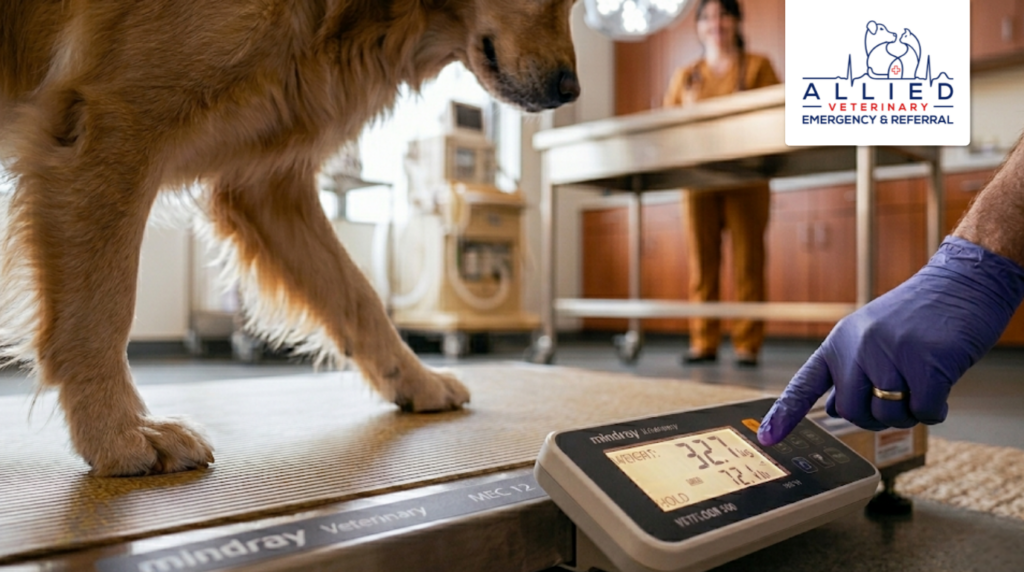
Upon arrival, our front desk staff and veterinary technicians will immediately begin the intake process. A technician will perform a rapid initial assessment to evaluate your pet’s vital signs—like heart rate and breathing—and observe their general appearance and alertness. You will be asked for a brief history of what led to the visit. This is not the time for an in-depth diagnosis but a critical first look to determine the urgency of the situation. This swift evaluation allows our team to prioritize your pet within the triage system, ensuring they get the attention they need as promptly as possible.
How Triage Affects Emergency Vet Visit Length and Prioritization
The word “triage” comes from the French term meaning “to sort,” and that is precisely its function in our hospital. It is the single most important factor determining how long your emergency vet visit will take. Our highly trained team uses the triage process to categorize patients into different levels of urgency. A pet experiencing severe trauma, difficulty breathing, or seizures will be seen immediately, ahead of a pet with a less severe issue who arrived earlier.
This can be difficult to witness as a pet owner waiting with a sick or injured companion, but it is the medical standard that saves lives. It ensures that our limited resources are directed to the most critical patients first. While your pet’s condition is incredibly important to us, another pet’s life may hang in the balance. Understanding the emergency vet prioritization process helps you know that while you wait, our team is providing life-saving emergency services to pets in critical need.
Typical Emergency Vet Visit Time Ranges
It’s nearly impossible to predict the exact duration of an emergency visit, as it’s a dynamic environment. However, we can provide some general expectations. For a stable patient with a straightforward issue, the entire process from arrival to discharge might take 1 to 2 hours. This would typically include the initial assessment, an examination by a veterinarian, basic diagnostics, treatment, and discharge instructions.
However, during peak times or when multiple critical cases arrive simultaneously, wait times can extend significantly. It is not uncommon for stable pets to wait several hours to be seen by a doctor. If a pet requires extensive diagnostic imaging like X-rays or ultrasound, complex procedures, or needs to be hospitalized for ongoing care, the initial visit can last many hours. We are committed to keeping you informed throughout the process, providing updates on your pet’s status and our expected timeline.
Factors That Can Make an Emergency Visit Shorter or Longer
Several variables can influence the time you spend at an emergency animal hospital. Recognizing these factors can help you better understand the fluctuating nature of the wait.
- Your Pet’s Condition: A critically ill pet will move through the initial stages faster, but may require a much longer overall visit for stabilization and treatment. A stable pet will have a longer initial wait but may have a shorter overall visit.
- Current Patient Volume: A sudden influx of critical patients will delay care for more stable animals.
- Staff Availability: Like human hospitals, veterinary ERs can face staffing shortages, which can impact how quickly patients are seen.
- Need for Diagnostics or Specialists: If your pet requires bloodwork, X-rays, or consultation with our specialty care team, each step adds time to the visit.
Why Wait Times Change During Nights and Weekends
Nights, weekends, and holidays are often the busiest times for emergency veterinary hospitals. This is when most primary care veterinarians are closed, meaning all urgent and emergency cases in the area are directed to clinics like ours. This increased demand, sometimes coupled with different staffing levels, can lead to longer wait times than you might experience on a weekday afternoon. Pet owners from Rochester, MN, to Eau Claire, WI, can rely on our 24/7 readiness, but it’s helpful to be mentally prepared for potential delays during these peak periods.
How Allied Veterinary Manages Emergency Cases Efficiently
At Allied Veterinary Emergency and Referral, we are deeply invested in providing efficient, expert, and compassionate care. As a locally-owned, independent practice, we have the flexibility to focus on what matters most: our patients, their owners, and our dedicated team. Our systematic approach to patient management ensures a smooth flow from triage to treatment.
Our state-of-the-art facilities across Minnesota and Western Wisconsin, including our Brooklyn Park location, are equipped to handle a wide range of emergencies. We pride ourselves on clear communication, ensuring you feel like a partner in your pet’s care. Our commitment is to manage every case with the urgency and quality it deserves, reassuring you that your pet is in the best hands.
What Pet Owners Can Do to Help Speed Up the Process
While much of the timing is out of your control, there are several things you can do to help the visit go as smoothly as possible.
- Call Ahead: If possible, calling while you are on your way allows our team to prepare. We can give you initial guidance and ready ourselves for your arrival.
- Have Information Ready: Be prepared to provide a concise history of your pet’s health, including any current medications, known allergies, and the timeline of their current symptoms. You can find helpful resources on our pet parents page.
- Communicate Clearly: Provide accurate and focused information. If your pet ingested something, bring the packaging if you have it.
- Stay Calm and Patient: We know it’s incredibly difficult, but your patience allows our team to focus fully on all the pets in our care. If you notice your pet’s condition worsening while you wait, please alert the front desk immediately.
Why Allied Veterinary Emergency and Referral is a Trusted Choice for Emergency Care
When your pet needs immediate help, trust is everything. Allied Veterinary Emergency and Referral is a locally-owned, independent hospital dedicated to our community. We are not a corporation; we are your neighbors, invested in providing the highest quality of medicine with an empathetic touch. Our 24/7 availability means we are always ready to help.
For pet owners in Minnesota and Western Wisconsin, our team is your partner in urgent situations. We understand the bond you share with your pet and are committed to earning your trust through transparent communication and exceptional care. When an emergency strikes, please don’t hesitate to contact us or visit one of our locations. We are here for you.
FAQs
Why are emergency vet wait times so long compared to a regular vet appointment?
Emergency vet clinics operate on a triage system, similar to human emergency rooms, where patients are prioritized based on the severity of their condition, not on a first-come, first-served basis. Life-threatening emergencies are seen immediately, which means less critical cases, even if urgent, may experience longer waits until a veterinary team member becomes available. This ensures the most critical pets receive life-saving care without delay.
What happens during the initial assessment at an emergency vet clinic?
Upon arrival, a veterinary technician or veterinarian will perform a rapid initial assessment, called triage, to determine the urgency of your pet’s condition. This involves a brief physical exam, checking vital signs, and gathering essential medical history and current symptoms. This quick evaluation helps the team decide the priority for immediate care.
Can I call ahead to reduce my emergency vet wait time?
While calling ahead doesn’t guarantee a shorter wait due to the unpredictable nature of emergencies and triage, it is highly recommended. Notifying the clinic of your arrival allows the team to prepare for your pet’s specific needs and can provide you with guidance on what to expect or if an urgent care facility might be more appropriate for less severe issues.
What factors contribute to longer emergency vet visits or wait times?
Several factors can extend visit durations, including the severity of your pet’s condition requiring extensive diagnostics (like X-rays or bloodwork) or immediate surgical intervention, the number of other critical patients being treated simultaneously, staff availability, and whether your visit occurs during peak hours like nights or weekends.
What information should I bring to an emergency vet visit to help speed up the process?
To assist the veterinary team, try to bring any existing medical records for your pet, a list of current medications or supplements, and details about their recent symptoms or any suspected incidents (e.g., ingested substances with packaging). Clear, concise communication about your pet’s condition upon arrival is also very helpful.