Key Takeaways
- Early detection is crucial for improving treatment outcomes and quality of life for pets with cancer.
- Common warning signs include persistent lumps, unexplained weight loss, changes in appetite or behavior, abnormal discharges, and non-healing sores.
- Any concerning symptoms warrant a prompt veterinary evaluation, as early intervention can make a significant difference.
- Veterinary oncologists utilize a range of diagnostic tools, including physical exams, imaging, cytology, and biopsies, to accurately diagnose and stage cancer.
- Allied Veterinary Emergency and Referral in Brooklyn Park offers advanced, compassionate oncology care, focusing on individualized treatment plans and pet owner support.
As a pet owner, your animal’s health is a top priority. Noticing a change in your furry companion can be worrisome, especially when the thought of cancer crosses your mind. It’s a valid concern, as approximately one in four dogs will develop cancer at some point in their lives, with the risk increasing as they age. While the diagnosis is daunting, major advances in veterinary medicine mean that cancer is no longer a hopeless situation. Understanding the early warning signs is the first and most critical step you can take. This knowledge empowers you to act quickly, which can significantly improve treatment outcomes and, most importantly, your pet’s quality of life.
Why Early Detection Matters in Pet Cancer
Just as with humans, early detection is a cornerstone of successful cancer treatment in pets. Identifying and diagnosing a tumor in its early stages, before it has had a chance to grow large or spread (metastasize) to other parts of the body, provides a significant advantage. Prompt diagnosis often leads to more effective and less invasive treatment options, which can improve the prognosis.
When cancer is caught early, treatments like surgery can sometimes completely remove the cancerous cells, potentially leading to a cure. Even when a cure isn’t possible, early intervention can slow the disease’s progression, manage symptoms more effectively, and extend your pet’s comfort and happiness. This proactive approach not only enhances their quality of life but can also be more emotionally and financially manageable for you as the owner. By being a vigilant observer of your pet’s health, you play an indispensable role in their well-being, giving them the best possible chance for a long and happy life.
Common Early Warning Signs of Cancer in Pets
Our pets can’t tell us when something feels wrong, so it is up to us to be their dedicated observers. The signs of cancer can be subtle and are often mistaken for normal aging or other less serious conditions. Paying close attention to changes in your pet’s physical condition and behavior is essential. While the presence of one or more of these signs is not a definitive diagnosis of cancer, they all signal that a visit to the veterinarian is necessary for a professional evaluation.
Physical Warning Signs
Some of the most frequently noticed indicators of cancer are those you can see or feel during your daily interactions. When petting, grooming, or playing with your dog or cat, make it a routine to check for anything out of the ordinary.
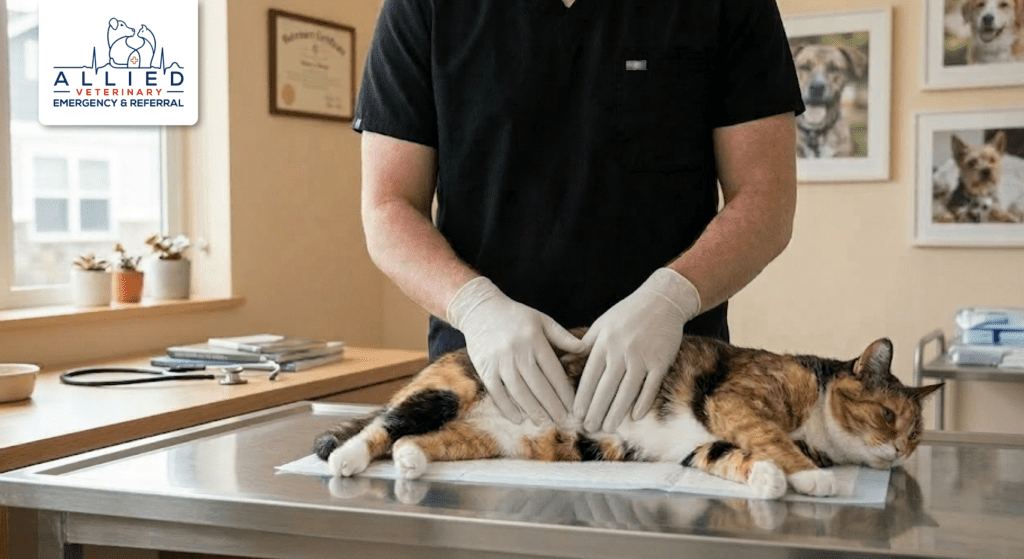
- Lumps, Bumps, or Swelling: One of the most common signs is a new lump or bump under the skin. Any new growth, or one that is changing in size, shape, or texture, should be examined by a vet. While many are benign fatty tumors called lipomas, only a professional can determine if it’s harmless.
- Non-Healing Sores: A wound or sore that doesn’t seem to heal within a reasonable timeframe is a red flag. Cancerous tissue can prevent normal healing processes.
- Abnormal Discharges or Bleeding: Any unusual discharge or bleeding from the mouth, nose, eyes, or other body openings should be promptly evaluated. This could indicate various issues, including oral or nasal tumors.
- Persistent Foul Odors: A strong, unpleasant odor from your pet’s mouth, ears, or another body part can be a sign of a tumor or an associated infection.
Behavioral and Systemic Changes
Sometimes, the earliest signs are not visible on the surface but are reflected in your pet’s overall demeanor and daily habits. These systemic symptoms can be subtle, making it crucial to monitor for consistent changes in their routine.
- Unexplained Weight Loss: If your pet is losing weight but is not on a diet, it can be a significant sign of an underlying problem, including cancer. This is often one of the first signs owners notice.
- Changes in Appetite: A sudden loss of appetite, difficulty eating or swallowing, or a general disinterest in food should be investigated.
- Lethargy or Decreased Activity: While pets may slow down with age, a marked and persistent lack of energy or enthusiasm for activities they once enjoyed is a cause for concern.
- Chronic Pain or Lameness: Limping, stiffness, or reluctance to be touched in certain areas could indicate pain from a tumor, particularly bone cancer.
- Altered Bathroom Habits: Changes such as straining to urinate or defecate, increased frequency, or the presence of blood in the urine or stool warrant a veterinary visit.
- Coughing or Difficulty Breathing: A persistent cough or changes in breathing patterns can be a symptom of cancer in the lungs, either as a primary tumor or due to metastasis.

When to Seek Prompt Veterinary Evaluation
If you observe any of the signs mentioned—especially if they are persistent, worsening, or if multiple symptoms appear together—it is crucial to schedule a veterinary evaluation. Don’t wait and watch. When it comes to potential cancer symptoms, the best motto is always “get it checked out.” A prompt visit can lead to an early diagnosis, which provides the best opportunity for effective treatment. If your pet’s symptoms are severe, such as difficulty breathing or significant bleeding, they may require immediate attention through our 24/7 emergency veterinary services.
How Cancer is Diagnosed in Your Pet
A cancer diagnosis can be frightening, but understanding the diagnostic process can help demystify it and set clear expectations. Your veterinarian will start with a thorough physical examination and a detailed discussion of your pet’s history and the symptoms you’ve noticed. From there, they will recommend specific tests to determine the cause of the problem.
Diagnostic Tools and Procedures
Veterinarians use a multi-step approach to confirm a cancer diagnosis and determine its extent. This process, known as staging, helps determine the prognosis and the most appropriate treatment plan.
- Blood Work and Urinalysis: These baseline tests assess your pet’s overall health, check organ function, and can sometimes reveal abnormalities associated with certain cancers.
- Imaging (X-rays and Ultrasound): Veterinary diagnostic imaging tools like X-rays and ultrasounds are common, non-invasive methods used to visualize internal organs, identify masses, and check for evidence of cancer spreading.
- Cytology (Fine Needle Aspiration): This minimally invasive procedure involves using a thin needle to collect a small sample of cells from a lump or organ. Examining these cells under a microscope can often help identify the presence of cancer.
- Biopsy (Histopathology): A biopsy is the definitive diagnostic tool. It involves taking a larger tissue sample of a suspected tumor for detailed analysis by a pathologist. This provides crucial information about the specific type of cancer and its aggressiveness.
- Advanced Imaging (CT/MRI): For more complex cases, your veterinarian may recommend advanced imaging like a CT scan or MRI to get a highly detailed view of the tumor and surrounding structures, which is critical for planning surgery or radiation therapy.
The Role of Veterinary Oncology in Pet Cancer Care
Once a diagnosis is confirmed, you may be referred to a veterinary oncologist. These are veterinarians who have undergone advanced training and certification in the field of cancer diagnosis and treatment. Their specialized expertise is invaluable in creating a comprehensive and tailored treatment plan for your pet. They are at the forefront of specialty care and work to provide the best possible outcomes.
Comprehensive Treatment Approaches
A veterinary oncologist will discuss the most effective treatment options based on the cancer type, stage, and your pet’s overall health. The primary goal is always to balance fighting the cancer with maintaining an excellent quality of life. Common treatments include:
- Surgery: The physical removal of a tumor. For localized cancers, surgery can sometimes be curative.
- Chemotherapy: The use of drugs to kill or slow the growth of cancer cells. Veterinary chemotherapy protocols are designed to minimize side effects, and most pets tolerate them well.
- Radiation Therapy: Using high-energy rays to damage and destroy cancer cells, often used for tumors that cannot be surgically removed.
- Palliative Care: When a cure is not possible, the focus shifts to palliative care, which aims to manage symptoms, control pain, and ensure the pet remains comfortable and happy for as long as possible.
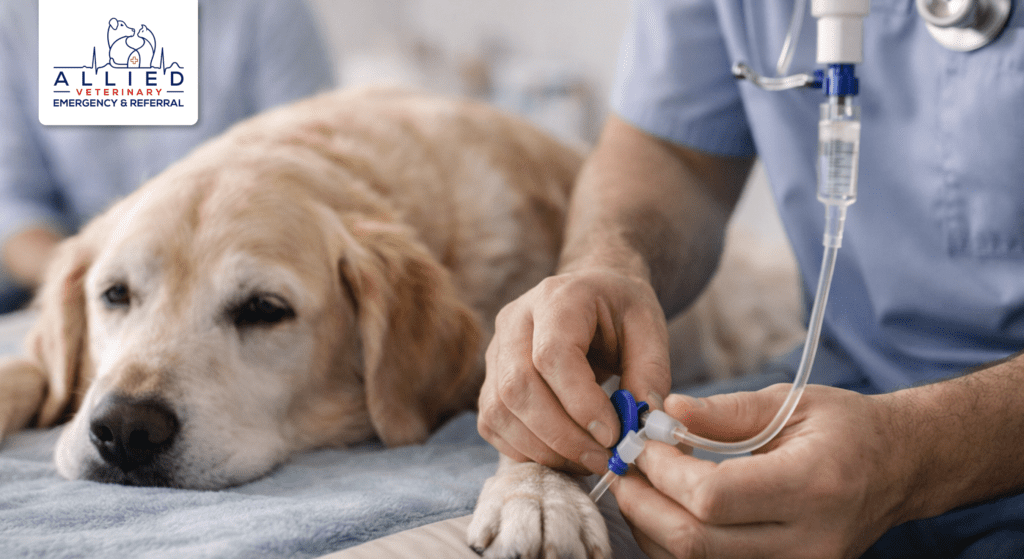
Allied Veterinary: Your Partner in Pet Oncology Care
At Allied Veterinary Emergency and Referral, we understand that a cancer diagnosis is an emotional and challenging experience. As a locally owned, non-corporate clinic, our entire philosophy is built on a foundation of compassion, connection, and clinical excellence. Our brand promise, “We are Invested,” is at the heart of everything we do. We are invested in our patients, our clients, and our community, providing the highest quality of care in an empathetic and supportive environment. We collaborate closely with you and your primary veterinarian to ensure a seamless and comprehensive approach to your pet’s health.
Specialized Oncology Services in Brooklyn Park, MN
Our team is proud to offer advanced pet oncology evaluation and care at our state-of-the-art facility. For pet owners across Minnesota and Western Wisconsin, our Brooklyn Park location serves as a trusted center for specialized cancer treatment. We are equipped with sophisticated diagnostic tools to ensure an accurate diagnosis and staging, which allows our team to develop individualized treatment plans. At Allied, you are not just a client; you are a partner in your pet’s care journey. We are committed to providing clear communication and heartfelt support every step of the way.
Take Action for Your Pet’s Health Today
Your vigilance as a pet owner is the first line of defense against cancer. If you have noticed any concerning signs or have questions about your pet’s health, do not hesitate to take action. Early intervention can make all the difference. Our compassionate team at Allied Veterinary Emergency and Referral is here to provide the answers and advanced care your pet deserves. We encourage you to contact us to schedule an evaluation with our oncology specialists to discuss your concerns. Your peace of mind and your pet’s well-being are our highest priorities.
Frequently Asked Questions
What are the most common early signs of cancer in pets?
The most common early signs include new or changing lumps and bumps, unexplained weight loss, changes in appetite or behavior (like increased lethargy), non-healing sores, abnormal discharges, and difficulties with breathing or bathroom habits.
How soon should I contact a vet if I notice these symptoms?
It’s crucial to contact your veterinarian promptly if you notice any persistent or rapidly changing symptoms. Early evaluation can significantly improve treatment outcomes.
What types of tests are used to diagnose cancer in pets?
Veterinarians diagnose cancer using a combination of physical exams, blood work, urinalysis, imaging (X-rays, ultrasound, CT, MRI), and cellular analysis through cytology or biopsies.
Can early detection of pet cancer really make a difference?
Yes, absolutely. Early detection allows veterinarians to diagnose cancer before it progresses, often leading to less invasive treatments, higher success rates, and a better overall quality of life for your pet.
Does Allied Veterinary Emergency and Referral offer specialized cancer care?
Yes, Allied Veterinary provides comprehensive oncology evaluation and care, with a dedicated team of specialists focused on delivering compassionate and advanced cancer treatments tailored to your pet’s needs, including services at our Brooklyn Park location.