Key Takeaways
- Efficiency Saves Money. Moving to a specialist early often provides the most cost-effective approach for complex cases. It stops the cycle of repeated office visits and prevents paying for tests that do not provide a final answer.
- A Collaborative Partnership. A referral builds a bridge between the family doctor and an expert. This ensures the pet gets focused care while the regular vet remains the leader of the long-term health journey.
- Recognize the Triggers. Checkpoints like the “Rule of Three” or a “Diagnostic Dead End” help families advocate for a pet before a health issue turns into a crisis.
- Human Centered Care. Independent clinics keep medical decisions at the exam table. This focus on medical integrity ensures the pet receives a plan built for specific needs rather than a corporate protocol.
Hearing that a pet needs a specialist often triggers an immediate wave of conflict. Most pet parents want the best possible care for their companion, but the reality of high costs and the stress of a new environment can feel like a significant barrier. Logistical hurdles or the worry of trusting a stranger with a high-stakes situation can make any pet owner hesitate. This guide explores the transition from general care to precision medicine. It shows how a referral actually protects your time, your budget, and your peace of mind by providing a clear path forward when standard treatments no longer work.
What is a Veterinary Referral and Why Does Your Pet Need One?
Think of a primary care veterinarian as the general contractor of pet health. These professionals manage the big picture, including wellness exams, vaccines, and routine illnesses. A veterinary referral happens when a doctor identifies that a specific health concern requires a master technician or a structural expert. In this situation, the specialist handles a complex system that requires unique tools and years of advanced training.
Veterinary medicine has become incredibly sophisticated. Just like in human medicine, board-certified specialists spend several extra years in rigorous training for areas like cardiology, oncology, or advanced surgical procedures. When an expert team joins the case, your pet gains access to precision medicine. This includes equipment and focused knowledge that a general practice simply does not have on-site. This transition does not mean leaving the family vet. Instead, it levels up the medical tools available to protect a pet’s life and improve daily comfort.
When Should You Ask for a Veterinary Specialist?
While a veterinarian typically suggests a referral first, pet parents can also advocate for a deeper look. Seeking specialized care early often stops a manageable condition from turning into a stressful emergency medical situation. Specific triggers help determine when a pet needs a more focused treatment plan.
The Referral Checklist for Pet Owners:
- The Rule of Three. If visits to a regular vet occur three times for the same health problem without improvement, consult a specialist.
- Diagnostic Dead Ends. If blood work or X-rays look normal but the pet still acts sick, a specialist uses advanced tools to find the hidden cause.
- The Equipment Gap. Some conditions require technology that only specialty hospitals house, such as an MRI, a CT scanner, or specialized surgical lasers.
- Logistical Ease. When a condition is complex, a local specialist reduces the stress of travel and makes follow-up visits much easier to manage.
Signs Your Pet Needs Advanced Care
Certain physical signs often point toward the need for an expert opinion. If a pet loses weight rapidly for no reason or shows a changing heart murmur, a specialist can pinpoint the root cause much faster. Other signs include chronic stomach issues that do not go away or mobility problems that make it hard for a pet to walk. Instead of continuing with general treatments that only help the symptoms, a specialist uses advanced diagnostics to create a clear plan for recovery.
How Does the Veterinary Referral Process Work?
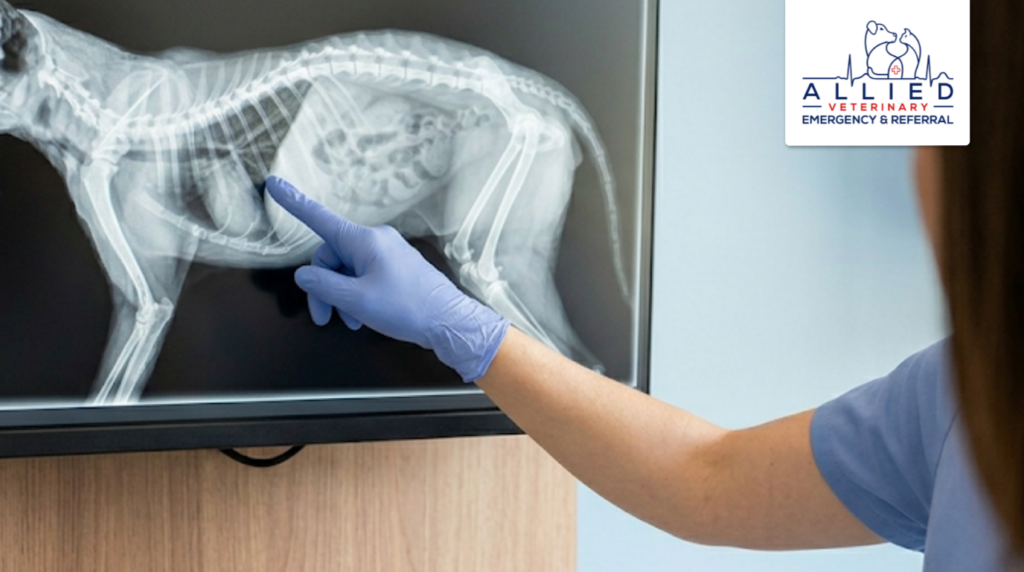
The referral process builds a smooth bridge between the family doctor and the specialty team. It starts with a shared medical history, so pet owners do not have to explain everything from the beginning to a new doctor. The primary vet provides the specialist with a full clinical picture, including all previous lab results and imaging. This teamwork prevents paying for the same tests twice. This process creates a true partnership where the family, the primary vet, and the specialists function as one unified team.
During the first consultation, the specialist reviews these records with you in detail. This meeting allows pet parents to move from feeling worried to becoming an active advocate for their pet’s health. The system works as a closed loop. The specialist sends detailed reports back to the primary vet after every visit. This ensures the family doctor stays completely updated and ready to manage the next steps in the journey when the pet returns to routine care.
Preparing for Your Consultation
Preparation lowers stress and maximizes appointment time. Shifting from a wait-and-see mindset to an active role helps the medical team achieve a better outcome. A few simple steps before arriving at the local specialty center can help the process:
- Track All Symptoms. Write down exactly when symptoms happen and note any specific triggers.
- Prepare Questions. List three to five questions about the long-term outlook and the immediate goals of the treatment.
- Plan Your Visit. Confirm the clinic location and parking so the arrival feels calm and focused on the pet.
Why Choose an Independent, Locally Owned Specialty Hospital?
By choosing an independent clinic, families partner with a team deeply connected to the local community. In many large corporate medical networks, rigid rules or standardized systems often influence decisions. At an independent hospital, doctors make medical decisions right at the exam table based on what is best for the individual patient. This independence allows for flexible care that truly focuses on a pet’s specific health needs and unique family circumstances.
The Financial Reality of Specialty Care:
Specialized care represents an investment, but it often provides the most direct path to an affordable vet solution for a complex problem. By stopping the cycle of repeated visits to a general clinic for the same unresolved issue, families save on office fees and cumulative diagnostic costs. Specialists find answers faster, which prevents a condition from worsening into a very expensive emergency. Focusing on transparency and value-driven medicine ensures pet owners have a partner who values health and peace of mind above all else.
Choosing the Right Team for Your Pet’s Future
Choosing the right partner for advanced care makes all the difference when a pet faces a difficult health journey. Allied Veterinary Emergency and Referral stands apart as a locally owned practice where medical integrity always comes before corporate quotas. Because the clinic is independent, the team has the flexibility to practice human-centered medicine that prioritizes empathy, clear communication, and the specific needs of each family. This investment in the bond between pets and their owners ensures that every treatment plan is intentional and every outcome is pursued with heart.
If you are currently navigating a complex health concern, remember that expert support is close to home. Our specialists provide the advanced tools and focused knowledge required to help your companion thrive. You can take the first step toward a definitive answer by discussing a referral with your family doctor or by reaching out to us directly. Please contact our team at Allied Veterinary Emergency and Referral to learn more about how our invested care can support your pet’s recovery.
Frequently Asked Questions
What is the difference between an emergency vet and a veterinary specialist?
An emergency vet handles immediate, life-threatening crises, while a veterinary specialist focuses on diagnosing and treating complex, chronic, or highly specific medical conditions using advanced training.
Will my primary vet stay involved in my pet’s specialty care?
Yes, at Allied Veterinary Emergency and Referral, we work as a collaborative team with your primary veterinarian, providing them with continuous updates and shared treatment plans.
Do I need a referral to see a veterinary specialist at Allied Vet?
While many of our specialty patients are referred by their primary veterinarians, pet owners can also contact our specialty departments directly to schedule a consultation for advanced care.
What should I bring to my pet’s referral appointment?
You should ensure all prior medical records and diagnostic imaging are transferred to our team, and bring any current medications your pet is taking to your initial consultation.
How does an independent specialty vet differ from a corporate clinic?
Independent, locally owned clinics like Allied Vet are free from corporate constraints, allowing us to offer highly personalized care, greater flexibility, and more accessible pricing driven purely by medical integrity.