Important Update: Chewable Medication Safety Alert

Chewable formulations of veterinary medications—such as Apoquel® (oclacitinib) or Carprofen®—are popular for good reason. They’re highly effective, well-tolerated, and much easier for many pets to take than traditional pills. When used as prescribed, these medications are safe and provide excellent relief for a variety of conditions.
However, both Allied Veterinary Emergency & Specialty and the Pet Poison Helpline® have seen an increase in toxicity cases involving these chewable medications. In most instances, pets gained access to the medication bottles themselves—chewing through containers, knocking them off counters, or finding them in bags or purses.
Unfortunately, overdoses can be extremely serious and difficult to treat. Reported complications include cardiovascular abnormalities, blood disorders, eye damage, and kidney or liver injury. In severe cases, overdoses can be fatal, and prognosis is often guarded.
Prevention Tips
- Store all medications safely—well out of reach of pets and children.
- Avoid leaving bottles on counters, in purses, backpacks, or anywhere your pet might access them.
- If accidental ingestion occurs, seek veterinary care immediately or contact the Pet Poison Helpline®. Early intervention can make a life-saving difference.
Be Prepared: Hunting Dog Safety in the Field
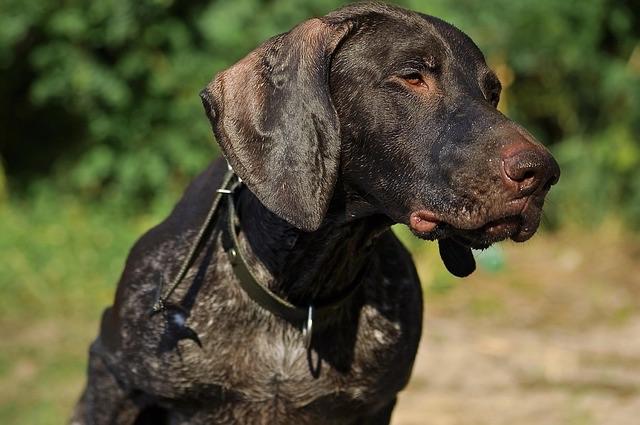
Hunting season is an exciting time for both people and their canine companions, but it can also come with risks. Dogs working in thick cover or wooded terrain are more likely to encounter hazards such as sticks or branches that can puncture the skin, sharp rocks or barbed wire that can cause lacerations, or ticks that can embed quickly. Having an emergency pet kit ready in your vehicle can make all the difference in stabilizing your dog until you can reach a veterinarian.
What to Pack in Your Emergency Pet Kit
A well-stocked kit should include a few essentials for common hunting injuries. Saline solution and clean gauze are useful for flushing and covering wounds. Non-stick pads and bandage wrap can help protect lacerations and minimize bleeding until you arrive at a veterinary hospital. Tweezers or a tick remover are vital for embedded ticks or debris. A muzzle is also recommended as injured pets may snap out of fear or pain, even at their owners. Finally, don’t forget gloves, scissors, and a small flashlight to help you work quickly in low light. We’ve created a quick checklist for you below.
Safety First, Then Veterinary Care
While these supplies can help you manage an emergency in the field, they are not a substitute for veterinary care. If your dog suffers a puncture wound, deep cut, or other concerning injury, stabilize them as best you can and seek immediate veterinary attention. Keeping your kit in your car or hunting bag ensures it’s always close at hand. A little preparation can go a long way toward keeping your hunting partner safe, comfortable, and ready for your next outdoor adventure. Don’t forget to program Allied Veterinary Emergency and Referral in your phone for 24-hour emergency support in the field or care if needed. Visit our website at alliedervet.com for quick access to our locations and phone numbers.
Hunting Dog Emergency Kit Checklist
✔️ Saline solution (for flushing wounds)
✔️ Sterile gauze pads & non-stick dressings
✔️ Self-adhering bandage wrap
✔️ Disposable gloves
✔️ Tick remover or tweezers
✔️ Muzzle (injured dogs may bite out of pain)
✔️ Small flashlight or headlamp
✔️ Extra leash & collar
✔️ Allied Emergency Veterinary locations and phone numbers programmed in your phone
Board-Certified Veterinary Specialists Available
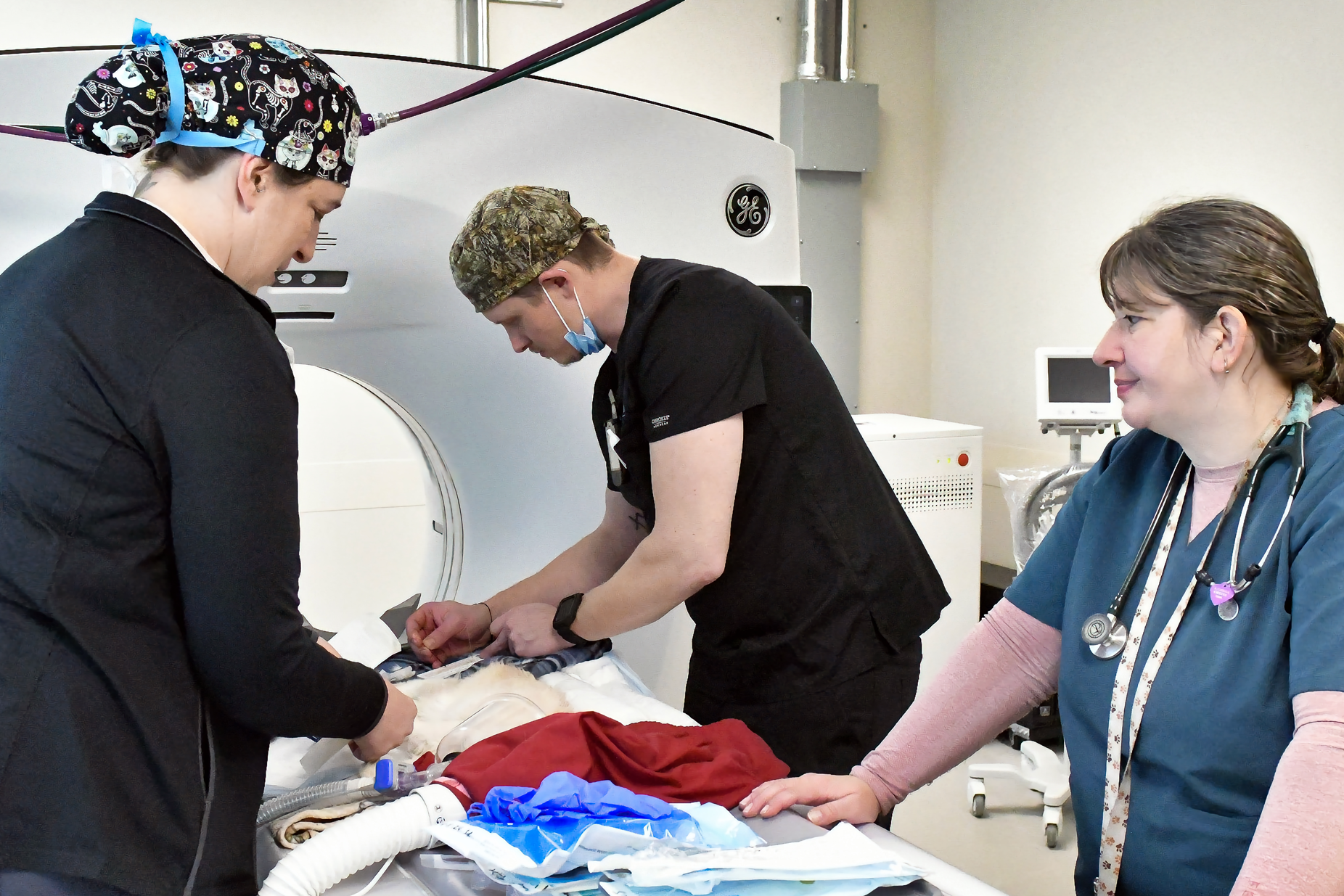
At Allied, we’re proud to offer something truly unique: direct access to board-certified veterinary specialists. These experts are available to consult with our emergency doctors and your pet’s primary care veterinarian whenever advanced expertise or specialized equipment may benefit your pet. This collaboration ensures that every patient receives the highest level of care, tailored to their individual needs.
Anesthesiology
Cardiology
Emergency & Critical Care
Internal Medicine
Oncology
Surgery
Our emergency services are available 24/7 Brooklyn Park, Minneapolis, Eden Prairie, and Eau Claire, while Rochester is open nights, weekends, and holidays.
Investing in Our Community
November 7-9 Heartland Summit, Ames, Iowa
At Allied Veterinary Emergency & Specialty, we believe in supporting the next generation of veterinarians. That’s why we proudly sponsor the Heartland Summit (November 7–9 in Ames, Iowa), a student event hosted by the Veterinary Business Management Association (VBMA).
This summit helps veterinary students build leadership and business skills while connecting with mentors who share their passion for animal care. Supporting this event is one way we invest in the future of veterinary medicine—so that pets like yours continue to receive exceptional care for years to come.
Helping Paws Rescue Gala – Oh what a night it was!
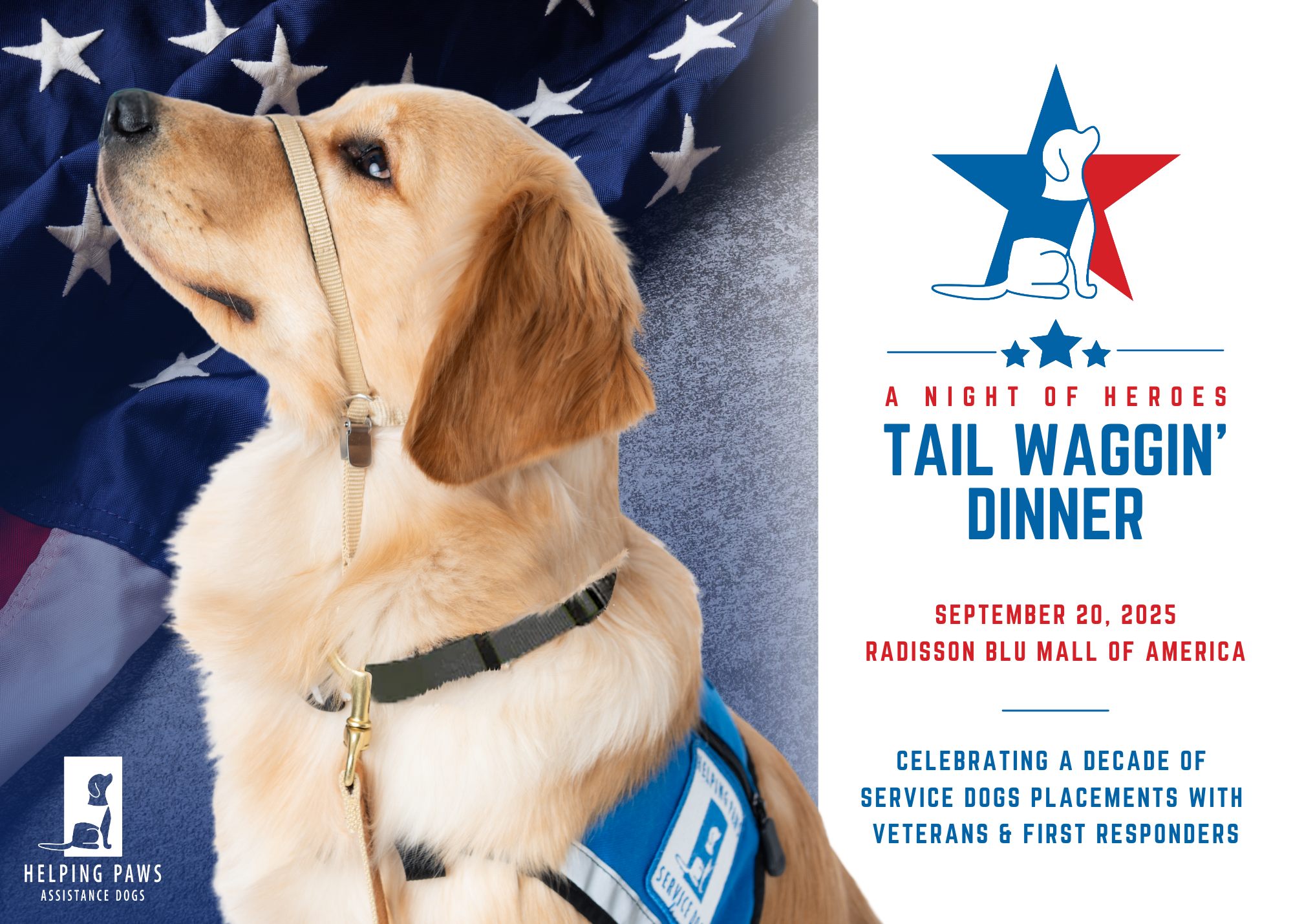
On September 21st, we had the honor of attending the 2025 Tail Waggin’ Dinner, a truly inspiring event dedicated to honoring the Service Dog Program for Veterans and First Responders living with service-related PTSD. The evening was filled with moving stories of resilience and hope, highlighting the incredible bond between service dogs and the heroes they support.


Ask a Vet: What are the most common orthopedic injuries in dogs? - Part 4

Each month we share information on the most common orthopedic injuries in dogs so you are prepared with the knowledge you need to get them the expert care these injuries require.
Note: Cat friends – don’t worry – we’re going to do a series on common cat emergencies next – stay tuned!
Over the last several months we’ve covered Cranial Cruciate Ligament Rupture, Patella Luxation, and Fractures. This month, we’re taking a look at Canine Hip Dysplasia (CHD).
What exactly is Canine Hip Dysplasia?
Hip dysplasia is a condition that occurs during the growth stage in dogs. It results in hip joints that don’t fit together well and are looser than normal. In its early stages, hip dysplasia may or may not be painful. But as the condition progresses, the cartilage of the hip begins to wear down. This leads to painful arthritis, bone spurs, and other joint changes, as well as muscle atrophy and limited mobility.
Hip dysplasia most commonly affects stocky, medium and large-breed dogs (think Labradors, German Shepherds, Rottweilers, and Bulldogs), and research shows that it’s caused by a combination of hereditary and environmental factors.
Signs of Canine Hip Dysplasia
Although hip dysplasia in dogs may sometimes go undetected, common signs include:
- Chronic or occasional lameness
- Limping with no previous trauma or injury
- “Bunny hopping,” particularly when climbing stairs
- Having trouble standing up
- Abnormal sitting positions
- Having trouble getting on and off furniture, going upstairs, or jumping into cars
Dogs can be very stoic and may not show all of these clinical signs. However, this condition is painful as it progresses, regardless of whether your dog has symptoms.
Diagnosing Canine Hip Dysplasia
CHD is diagnosed by X-rays (radiographs) in combination with a physical exam and palpation of the hip joint (Ortolani sign). Specific positioning is needed for these radiographs, which requires dogs to be sedated or anesthetized for the imaging. Two common methods for evaluating hips radiographically are:
- PennHIP distraction method: The most accurate measurement of the amount of hip laxity in puppies. Veterinarians and technicians must be certified by the organization and use a special device to perform this technique.
- OFA (Orthopedic Foundation for Animals): Hips are graded based on radiographs taken after the dog is two years old. If the dog is younger than two years old, the OFA will assign a provisional certification. However, the OFA radiograph does not accurately predict the subsequent development of osteoarthritis in puppies, which misses a potential treatment window in affected dogs. Subtle changes in hip conformation can be difficult to detect, so a physical exam is always necessary to accompany the imaging.
Non-Surgical Treatment Options
There are quite a few treatment options for hip dysplasia in dogs, ranging from lifestyle modifications to surgery. If your dog’s hip dysplasia is not severe, or if your dog is not a candidate for surgery for medical or financial reasons, your veterinarian may recommend a nonsurgical approach. Depending on your dog’s case, the vet may suggest the following:
- Weight reduction to take stress off the hips
- Exercise restriction, especially on hard surfaces
- Physical therapy
- Regenerative medicine
- Joint supplements
- Anti-inflammatory medications
- Joint fluid modifiers
Surgical Treatment Options
Those with severe CHD who show a poor or inadequate response to medical management may be referred to a board-certified veterinary surgeon, like those at Allied, to discuss surgical options.
- Femoral head and neck ostectomy (FHO): More common for small to medium-sized dogs.
- Total Hip Replacement (THR): More costly than an FHO but more common for large breed dogs.
FHO
FHO surgery can be performed on young and mature dogs. The surgery involves cutting off the femoral head, or “ball,” of the hip joint. This results in the body creating a “false” joint that reduces the discomfort associated with hip dysplasia. While FHO does not recreate normal hip function, it can be a successful pain management strategy.
THR
The most effective surgical treatment for hip dysplasia in dogs is a total hip replacement. The surgeon replaces the entire joint with metal and plastic implants. This returns hip function to a more normal range and eliminates most of the discomfort associated with hip dysplasia.
If diagnosed early in puppies, before the onset of osteoarthritis (OA), some joint-preserving procedures may be recommended. These procedures must be performed within a specific window of time to have a chance of success.
- Juvenile Pubic Symphysiodesis (JPS): A minimally invasive surgery that must be performed between 12-20 weeks of age at the latest – the earlier, the better.
- Triple Pelvic Osteotomy (TPO): Involves placing implants in the pelvic bones and is preferably performed before orthopedic maturity, which for a Labrador Retriever-sized dog is eight months of age.
Outcome
According to Cornell University, Dogs with CHD can lead good quality lives with proper care, depending on the severity. Some dogs with CHD may require minimal support, while others may require a multi-modal approach to treatment. Maintaining a healthy weight and working closely with your veterinarian to develop an appropriate treatment plan can significantly improve their quality of life.
For more information on fractures, visit the American College of Veterinary Surgeons (ACVS)—the organization that oversees the training and credentials of veterinarians who have completed a surgical residency and earned the title of Diplomate ACVS. Veterinarians with this distinction are recognized as specialists in surgery. We are thrilled to have two on our team who are ready to help.