Key Takeaways
- Understanding Pet Critical Care: Veterinary critical care is a specialized field offering advanced, round-the-clock medical interventions for pets with life-threatening conditions.
- Hallmarks of Quality Care: The best critical care providers feature board-certified criticalists, 24/7 monitoring, advanced diagnostic and life-support equipment, and a collaborative, multidisciplinary team approach.
- Allied Veterinary’s Commitment: Allied Veterinary Emergency and Referral offers comprehensive, compassionate pet critical care across Minnesota, with Brooklyn Park serving as a key hub for advanced emergency and ICU services.
- When to Seek Care: Immediate contact is crucial for critically ill or injured pets, ensuring timely intervention and the best possible outcomes.
When a pet experiences a life-threatening injury or illness, every second is critical. In these moments, the specialized field of veterinary critical care becomes paramount. This is not simply emergency treatment; it is the highest level of medical intervention, designed to stabilize and support the most fragile patients. It involves a dedicated team, advanced technology, and unwavering commitment, 24 hours a day. At Allied Veterinary Emergency and Referral, we are invested in providing Minnesota’s pet families with leading emergency and critical care for pets, ensuring your beloved companion receives the sophisticated, compassionate attention they need to have the best possible chance at recovery.
What Defines High-Quality Pet Critical Care?
Navigating a pet’s medical crisis is incredibly stressful, and choosing the right provider is a decision of immense weight. The best pet critical care in Minnesota is defined by a specific set of standards that ensure your pet receives comprehensive, state-of-the-art treatment. These hallmarks of excellence go beyond standard veterinary practice to provide a safety net for the most serious cases. It’s a combination of specialized expertise, advanced facility capabilities, and a patient-first philosophy that truly makes a difference in outcomes.
The Role of Board-Certified Criticalists
At the heart of any elite critical care unit is a board-certified veterinary criticalist, or a Diplomate of the American College of Veterinary Emergency and Critical Care (DACVECC). These are veterinarians who have undergone years of additional, rigorous training and certification specifically in emergency medicine and critical care. Their expertise is in managing complex, life-threatening conditions. They are skilled in advanced life-support techniques, intricate diagnostic procedures, and the continuous monitoring required for unstable patients. The presence of these specialists on the veterinary team ensures that the care plan is overseen by a professional with the deepest possible knowledge in saving the lives of critically ill or injured animals.
State-of-the-Art Veterinary Intensive Care Units (ICUs)
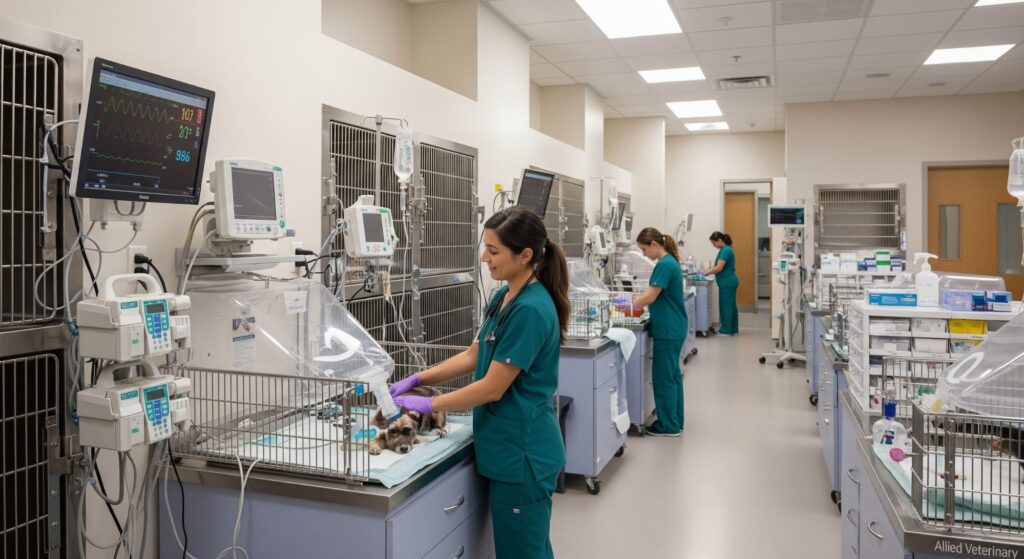
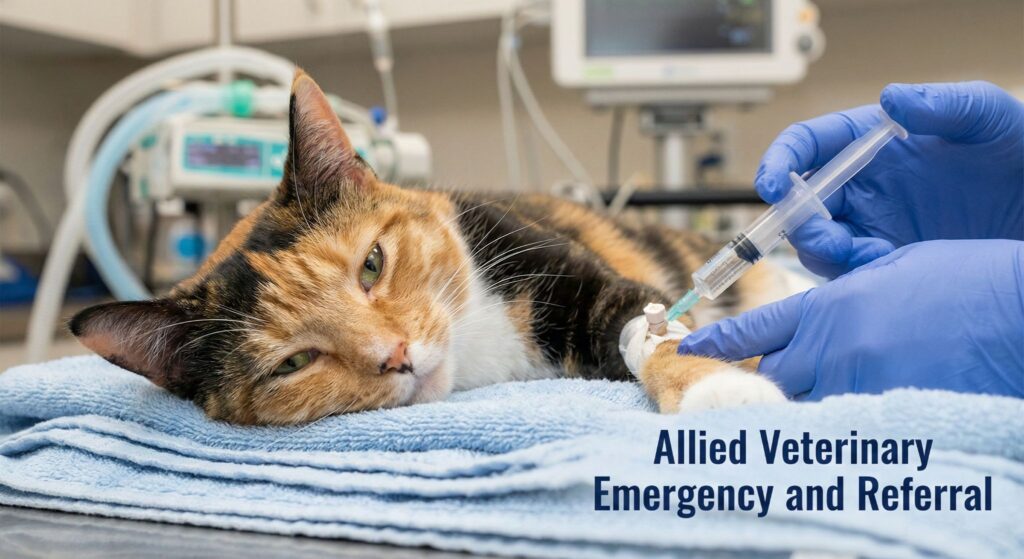
A leading critical care animal hospital in Minnesota must have a true veterinary intensive care unit (ICU). This specialized area is designed and equipped to provide continuous, advanced support. Key features include:
- Advanced Monitoring: Systems for continuous tracking of heart rate and rhythm (ECG), blood pressure, respiratory rate, and blood-oxygen levels.
- Life Support: Equipment such as oxygen cages and ventilators to support pets with severe respiratory distress.
- In-House Diagnostics: The ability to perform rapid, on-site blood work, urinalysis, and other lab tests allows for immediate adjustments to treatment plans. Access to advanced diagnostic imaging, like ultrasound and X-ray, is also crucial for quick and accurate assessment.
- Fluid and Medication Delivery: Sophisticated IV pumps to deliver precise amounts of fluids, medications, and nutritional support.
This controlled environment is the cornerstone of modern veterinary critical care, facilitating the precise interventions needed to manage a patient’s condition minute-by-minute.
The Importance of 24/7 Staffing and Advanced Monitoring
A critically ill pet’s condition can change in an instant. For this reason, continuous, 24-hour pet critical care is non-negotiable. A dedicated team of veterinarians and highly trained veterinary technicians must be present at all times to monitor patients, interpret data, and respond immediately to any changes. This round-the-clock staffing ensures that there is never a gap in observation or treatment. Advanced monitoring is the other half of this equation; it provides the constant stream of data the team needs to make informed decisions. The combination of constant human oversight and technological surveillance is what allows for the rapid interventions that can mean the difference between life and death.
A Multidisciplinary Approach to Life-Saving Pet Conditions
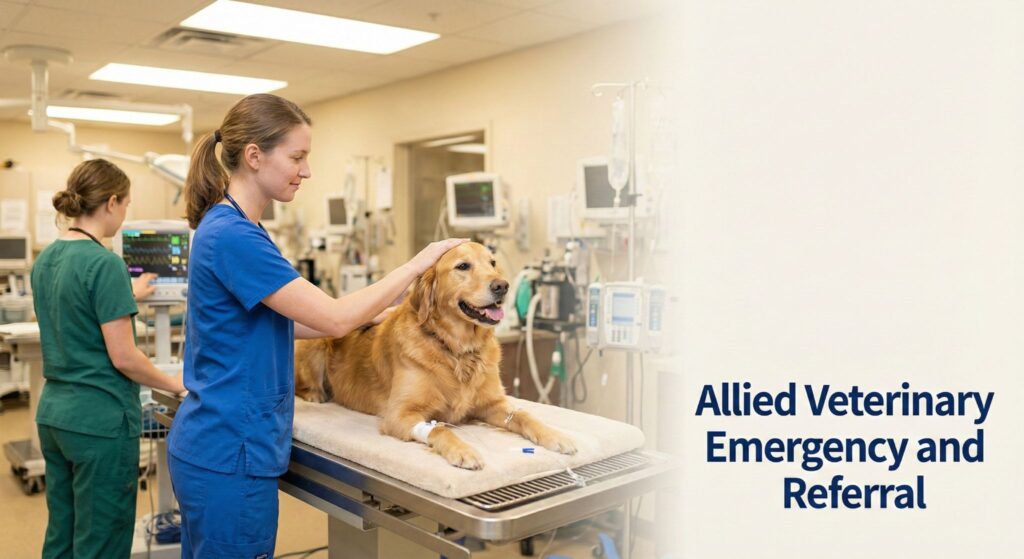
The most complex medical cases rarely involve a single problem. A pet that has experienced major trauma may have orthopedic injuries, internal bleeding, and respiratory distress all at once. This is where a multidisciplinary approach becomes essential. The best care is delivered when emergency veterinarians and criticalists work seamlessly with other board-certified specialists. At Allied, our specialty care teams—including surgeons, internal medicine specialists, and cardiologists—collaborate closely to create a holistic and comprehensive treatment plan. This integrated expertise ensures that every aspect of a pet’s condition is addressed by an expert in that field, providing a level of care that a single practitioner cannot match.
Conditions Requiring ICU-Level Veterinary Treatment
While some situations might warrant a visit for urgent care, ICU-level treatment is reserved for the most severe, life-threatening conditions. Understanding when your pet might need this level of intervention is key to seeking help quickly. Examples of conditions that often require a veterinary ICU in Minnesota include:
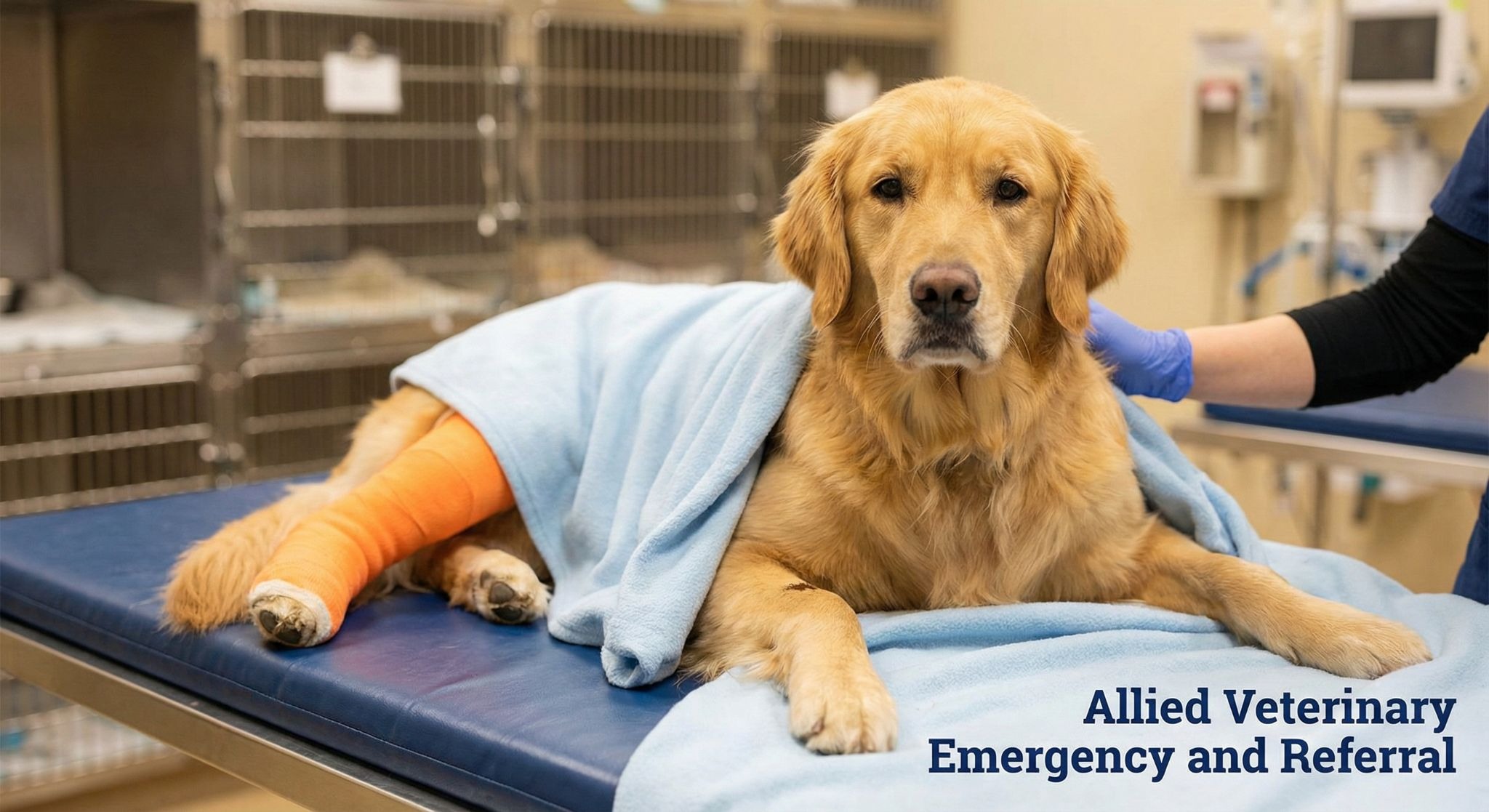
- Major Trauma: Injuries from being hit by a car, serious falls, or animal attacks.
- Severe Respiratory Distress: Difficulty breathing due to conditions like pneumonia, heart failure, or airway obstruction.
- Toxicosis: Ingestion of poisons, such as antifreeze, rodenticides, or certain human foods and medications.
- Acute Organ Failure: Sudden kidney or liver failure that requires intensive management.
- Seizures: Uncontrolled or continuous seizures that do not resolve on their own.
- Post-Surgical Complications: High-risk patients recovering from major surgery who need intensive monitoring.
- Severe Vomiting and Diarrhea: Cases leading to extreme dehydration and electrolyte imbalances.
If your pet is showing any of these signs, it is a critical emergency.
Allied Veterinary: Your Trusted Partner for Pet Critical Care in Minnesota
As a locally owned and operated veterinary hospital, Allied Veterinary is deeply invested in the health and well-being of our community’s pets. Our mission is to provide authoritative and empathetic care when it matters most. We combine our medical expertise with a genuine sense of compassion because we understand that we are treating a beloved member of your family. Our comprehensive emergency services are designed to provide life-saving care across the state.
Our state-of-the-art Brooklyn Park facility serves as a central hub for advanced critical care that is fully equipped with a modern ICU and staffed 24/7. We also proudly serve families through our Minneapolis location and our other hospitals in the region to ensure expert care is always accessible.
What to Do When Your Pet Needs Critical Care
If you believe your pet is experiencing a life-threatening emergency, acting immediately is vital. We recommend calling your nearest emergency veterinary hospital while you are on your way so the team can prepare for your arrival and provide initial guidance. Keep your pet as calm and comfortable as possible during transport, handling them gently to avoid causing further injury or distress. Upon arrival, be ready to share any relevant information about your pet’s condition, including what happened, when symptoms started, and any known medical history.
When your pet’s life is on the line, trust the invested team at Allied Veterinary Emergency and Referral. We are here to manage the most critical situations with expertise and heart. Contact us or head directly to our nearest location if your pet needs immediate assistance.
FAQs
What is pet critical care?
Pet critical care is a specialized veterinary discipline focused on providing intensive, round-the-clock monitoring and advanced medical interventions for animals facing severe, life-threatening illnesses or injuries. Its primary goal is to stabilize, treat, and help pets recover from critical conditions.
What are the key features of a high-quality veterinary ICU?
A high-quality veterinary Intensive Care Unit (ICU) is equipped with advanced technology such as oxygen cages, continuous vital sign monitoring (heart rate, blood pressure, oxygen levels), IV fluid pumps, ventilators, and on-site diagnostic labs for rapid results. It is also staffed 24/7 by board-certified critical care veterinarians and highly trained technicians.
When should I seek emergency and critical care for my pet?
You should seek emergency and critical care immediately if your pet experiences severe trauma, has difficulty breathing, ingests poison, suffers from uncontrollable vomiting or diarrhea, has seizures, or exhibits any sudden, life-threatening symptoms. Timely intervention is crucial for the best outcome.
How does a multidisciplinary team benefit my critically ill pet?
A multidisciplinary team, including emergency vets, critical care specialists, and other veterinary specialists (e.g., surgeons, internal medicine specialists), collaborates to provide comprehensive and integrated care. This ensures that your pet benefits from a wide range of expertise and the most effective treatment plan for complex conditions.
Why is 24-hour monitoring important for pets in critical care?
24-hour monitoring by dedicated veterinary professionals is essential because a critically ill pet’s condition can change rapidly and unexpectedly. Continuous oversight allows for immediate assessment, prompt intervention, and adjustment of treatments, significantly improving the chances of recovery.