Key Takeaways
- Top-tier pet oncology care involves board-certified specialists, advanced diagnostics, and a comprehensive, multidisciplinary approach to treatment.
- Evaluating veterinary oncology providers in Minnesota requires assessing their team’s expertise, diagnostic capabilities, range of treatment options, and commitment to your pet’s quality of life.
- Advanced diagnostic tools like CT, MRI, liquid biopsies, and molecular testing enable precise cancer detection and personalized treatment plans for pets.
- Treatment options include surgical oncology, chemotherapy, radiation therapy, and immunotherapy, often combined for the best outcomes.
- Prioritizing a pet’s quality of life is central to modern veterinary oncology, with a focus on managing pain and maintaining comfort throughout treatment.
- Allied Veterinary Emergency and Referral in Brooklyn Park offers leading pet oncology services, emphasizing compassionate, invested care for pets across Minnesota and Western Wisconsin.
The Emotional Journey of a Pet Cancer Diagnosis
Receiving a cancer diagnosis for a beloved pet is a deeply emotional and overwhelming experience. The flood of questions, fear, and uncertainty can feel paralyzing. As a pet owner, you are suddenly faced with complex medical information and critical decisions about your companion’s future. It’s a journey no one prepares for, and the weight of it can be immense.
Receiving a cancer diagnosis for your pet feels overwhelming, but veterinary oncology offers more advanced treatments today than ever before. Every year, thousands of pet owners successfully navigate these exact same medical decisions alongside their local veterinary teams. Getting the right care starts with knowing exactly what to look for in a specialized doctor. Understanding the standard for top pet oncology care in Minnesota helps you find a highly capable medical team that actively prioritizes your dog or cat’s long-term health and daily comfort. This guide breaks down the core elements of a successful veterinary oncology program, giving you the specific information necessary to make confident, informed medical decisions for your pet moving forward.
What Defines Top-Tier Pet Oncology Care in Minnesota?
When sudden complications arise, our oncology. When searching for a pet cancer specialist in Minnesota, it’s vital to understand the markers of a truly exceptional veterinary oncology hospital. Top-tier care goes beyond standard veterinary services, integrating specialized expertise, cutting-edge technology, and a profound commitment to your pet’s quality of life. These benchmarks ensure your pet receives the most effective and humane treatment available. The cornerstones of advanced pet cancer treatment in Minnesota include a team led by board-certified specialists, access to state-of-the-art diagnostic tools, and a philosophy that places your pet’s comfort and happiness at the forefront of every decision.
The Role of Board-Certified Veterinary Oncologists
The single most important factor in your pet’s cancer care is the expertise of the medical team. A board-certified veterinary oncologist is a specialist who has completed years of rigorous, advanced training after veterinary school. This includes a multi-year internship and a specialized residency in oncology, culminating in comprehensive examinations to achieve board certification from the American College of Veterinary Internal Medicine (ACVIM). This extensive training equips them with an unparalleled depth of knowledge in how cancer develops, how it is diagnosed and staged, and the latest, most effective treatment protocols.
These specialists are uniquely qualified to manage complex cancer cases, coordinate care with other experts, and stay current on emerging therapies. By seeking care from a board-certified veterinary oncologist, you are ensuring your pet is in the hands of a dedicated expert who can navigate the nuances of the disease. The dedicated professionals on the Allied Veterinary team work collaboratively, combining their expertise to develop the best possible treatment plans.
Advanced Diagnostic and Staging Capabilities
Finding exactly what kind of cancer your pet has dictates how the medical team treats it. The best veterinary oncology services in Minnesota use advanced diagnostics to pinpoint the specific type, exact location, and current stage of the disease. Doctors rely on this exact information to build a highly effective medical strategy for your dog or cat.
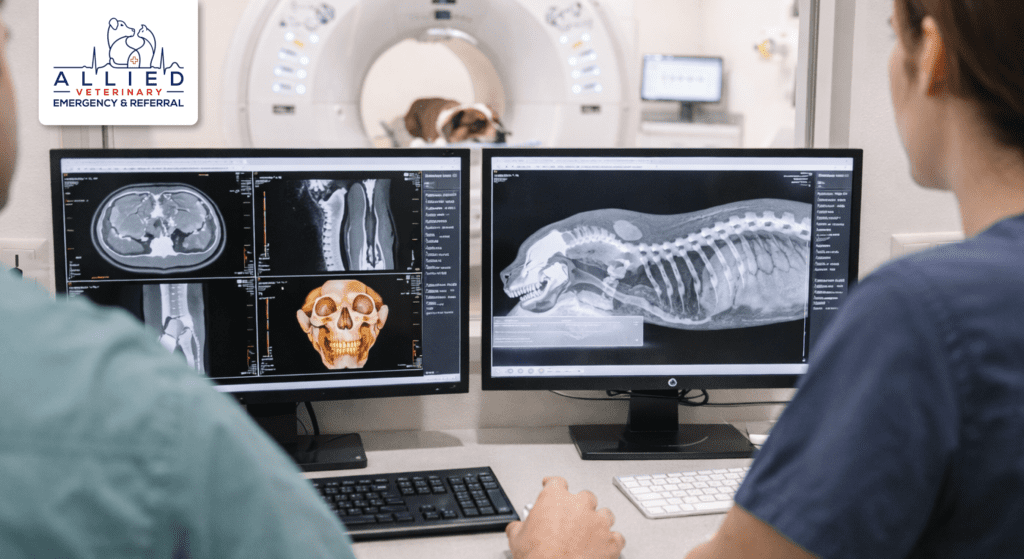
Top veterinary hospitals maintain sophisticated imaging equipment on-site to examine your pet’s internal organs closely. Modern tools like Computed Tomography (CT) scans and Magnetic Resonance Imaging (MRI) help veterinarians locate tumors accurately and plan targeted treatments. Doctors also use newer medical options like liquid biopsies. This specific test analyzes a standard blood sample to find tumor DNA without requiring invasive surgery. Combining clear digital imaging with advanced molecular testing allows your oncology team to design a highly specific medical plan that directly attacks the cancer and protects your pet’s daily comfort.
Comprehensive Treatment Options for Pet Cancer
Modern veterinary oncology embraces a multimodal approach to cancer treatment, meaning that multiple therapies are often combined to achieve the best results. A leading veterinary oncology hospital in Minnesota will have a wide range of treatment options available and the expertise to know when and how to use them. The goal of this integrated strategy is to attack the cancer from multiple angles, maximizing effectiveness while minimizing side effects. Your pet’s customized treatment plan will depend on the specific type of cancer, its stage, and your pet’s overall health. At Allied Veterinary, our comprehensive pet oncology services are built on this philosophy of tailored, multimodal care.
Surgical Oncology, Chemotherapy, and Radiation Therapy
The three primary pillars of pet cancer treatment are surgery, chemotherapy, and radiation therapy.
- Surgical Oncology: For many localized tumors, surgery is the first line of defense. The objective is to completely remove the cancerous mass. The success of surgical oncology for pets often depends on removing the tumor during the first procedure, which is why the expertise of the surgical team is paramount.
- Chemotherapy: This treatment uses powerful drugs to destroy or slow the growth of cancer cells throughout the body. It is especially effective for cancers that have spread (metastasized) or for systemic cancers like lymphoma. Fortunately, pets tend to tolerate chemotherapy much better than humans, with less severe side effects, as the primary goal is to extend a high quality of life rather than aiming for an aggressive cure at all costs.
- Radiation Therapy: This therapy uses high-energy rays to target and damage cancer cells in a specific area. It is often used for tumors that cannot be surgically removed or in combination with surgery to eliminate any remaining cancer cells.
Emerging and Supportive Therapies
Veterinary oncology frequently introduces new medical treatments to fight aggressive diseases. Immunotherapy, for example, trains a dog or cat’s immune system to identify and attack cancer cells directly. Doctors also utilize targeted therapies that attack the specific molecular traits of a tumor, or they apply electrochemotherapy to shrink external growths.
Medical teams also prioritize supportive treatments to keep your pet strong and comfortable. Quality veterinary care actively manages the severe side effects of the disease and medications. Palliative care directly relieves daily pain, frequent nausea, and general anxiety so your pet maintains a high quality of life at home. Veterinary professionals build specific diets, because keeping your pet at a healthy weight helps them tolerate intensive daily medical treatments.
Prioritizing Quality of Life in Pet Cancer Care
Veterinary oncologists prioritize your pet’s daily comfort just as much as treating the actual disease. Doctors design specific medical plans to maintain your dog or cat’s normal energy and prevent severe pain. The best veterinary oncology teams in Minnesota work directly with you to continuously monitor your pet’s physical health and daily behavior during all their medical treatments.
Veterinarians monitor more than just bloodwork and scan results. Doctors actively watch your pet’s daily behavior, regular appetite, and overall energy levels at home. Medical teams and pet owners often use specific quality-of-life scales to track these daily changes accurately. Measuring these daily habits helps your oncologist adjust the medical plan immediately when needed. Treating the disease requires managing severe pain and chronic nausea effectively so your dog or cat stays comfortable. Protecting your pet’s daily routines remains the priority during oncology treatments.
The Allied Veterinary Difference: Invested Oncology Care in Minnesota
Choosing the right veterinary oncologist directly impacts your pet’s medical treatment. Allied Veterinary Emergency and Referral operates strictly on our “Invested Veterinary Care” standard. As an independent, locally owned hospital, we ignore corporate quotas and focus entirely on delivering the exact medical treatments your dog or cat actually needs. Our doctors prioritize excellent medicine, clear communication, and direct connection with your family.
We build highly specific medical strategies by combining the expertise of multiple veterinary specialists under one roof. Our oncologists collaborate directly with our internal medicine doctors, specialized surgeons, and diagnostic imaging technicians during every case. When sudden complications arise, our oncology department immediately utilizes our emergency room and urgent care teams to stabilize your pet without delaying their required treatments. We actively communicate with you and your primary care veterinarian throughout the entire process. This exact communication ensures everyone understands how to protect your pet’s daily comfort at home, moving forward with their medical treatment plan.
Allied Veterinary Brooklyn Park: A Central Access Point for Advanced Oncology
For families across Minnesota and Western Wisconsin seeking top pet oncology care, our Brooklyn Park hospital serves as a central hub for advanced cancer treatment. This state-of-the-art facility is equipped with the sophisticated diagnostic tools and treatment technologies necessary to manage complex cancer cases. Here, our team of board-certified specialists and dedicated support staff provides the highest standard of medical and compassionate care. We are committed to being the veterinary oncology hospital Minnesota trusts, combining leading-edge medicine with the invested, personal touch that every pet deserves.
Next Steps for Your Pet’s Cancer Journey
Managing a pet’s cancer diagnosis requires clear medical direction from an experienced veterinary team. Securing a specialized doctor immediately gives you a straightforward treatment strategy to help your specific pet. Allied Veterinary Emergency and Referral delivers top pet oncology care across Minnesota using advanced medical options.
Our doctors actively review your pet’s complete medical history, answer your specific questions, and build a highly targeted oncology plan that protects your pet’s daily comfort. You need a medical team that delivers excellent veterinary care and honest communication right from the start. Take the first step toward getting your pet the specific medical attention they require today. Contact our hospital directly to schedule an initial oncology consultation with our specialized medical team.
Frequently Asked Questions
What should I expect during my pet’s first oncology consultation?
During your pet’s initial oncology consultation, you should expect a thorough review of their medical history and previous diagnostic results by the veterinary oncology team. The specialist will perform a comprehensive physical exam and discuss the diagnosis, staging, and potential treatment options tailored to your pet’s specific condition, age, and overall health. It’s an opportunity to ask questions and discuss your goals for your pet’s quality of life and treatment journey.
What are the primary treatment options available for pet cancer?
The primary treatment options for pet cancer include surgery, chemotherapy, and radiation therapy, often used in combination for the most effective outcome. Other advanced therapies like immunotherapy, targeted therapies, and electrochemotherapy may also be considered, depending on the type and stage of cancer. The goal is to develop a multimodal treatment plan that focuses on extending life while prioritizing your pet’s quality of life.
How do veterinary oncologists prioritize my pet’s quality of life during cancer treatment?
Prioritizing quality of life is a cornerstone of veterinary oncology. Specialists aim for treatments that minimize side effects and allow pets to maintain comfort, happiness, and normal activities. This involves careful monitoring, aggressive pain management, nutritional support, and adjusting treatment protocols as needed. Tools like quality-of-life scales may be used to objectively assess a pet’s well-being throughout their cancer journey.
What advanced diagnostic tools are used to detect and stage pet cancer?
Advanced diagnostic tools for pet cancer include Computed Tomography (CT) scans, Magnetic Resonance Imaging (MRI), and Positron Emission Tomography (PET) scans for detailed imaging. Additionally, liquid biopsies, biomarker testing, molecular diagnostics, and flow cytometry offer less invasive methods to precisely identify cancer types, assess aggressiveness, and determine disease spread, leading to more accurate prognoses and personalized treatment plans.
Why should I consider a board-certified veterinary oncologist for my pet’s cancer care in Minnesota?
A board-certified veterinary oncologist has completed extensive specialized training beyond veterinary school, including internships, residencies, and rigorous examinations, making them experts in diagnosing, staging, and treating complex cancer cases. They offer the most up-to-date treatment options, a deep understanding of cancer behavior, and work collaboratively with your primary veterinarian to ensure the highest standard of care and the best possible outcome for your pet.