Key Takeaways
- Pet chemotherapy protocols are designed to prioritize quality of life, leading to fewer and milder side effects compared to human chemotherapy.
- Treatment goals focus on extending a pet’s good quality of life and managing cancer symptoms, not necessarily a complete cure.
- Veterinary oncologists tailor chemotherapy plans based on the individual pet’s cancer, health, and response to minimize adverse reactions.
- Pet owners can expect thorough monitoring, proactive side effect management, and clear guidance on at-home care during treatment.
- Allied Veterinary provides compassionate, expert oncology services, ensuring pets and their families feel supported throughout the cancer journey.
Receiving a cancer diagnosis for a beloved pet is a deeply emotional and challenging experience. As a pet parent, your mind likely floods with questions and concerns, especially when chemotherapy is mentioned as a treatment option. At Allied Veterinary, we are invested in your peace of mind and your pet’s well-being. We believe in providing clear, empathetic guidance to help you navigate this journey. This article will explain how chemotherapy works for pets, address common fears, and detail our compassionate approach to cancer care.
Dispelling Common Misconceptions About Pet Chemotherapy
The word “chemotherapy” often conjures images of severe side effects experienced by human cancer patients. It’s a primary source of anxiety for pet owners, but it’s crucial to understand that the veterinary approach is fundamentally different. In veterinary medicine, the main goal of chemotherapy is to maintain an excellent quality of life for as long as possible.
Protocols are specifically designed to minimize harsh side effects. While humans are often treated with the maximum tolerated dose of drugs to pursue a cure, pets receive lower doses aimed at slowing cancer progression and alleviating symptoms. This invested approach ensures that the treatment does not become worse than the disease itself.
Key Misconceptions Addressed
One of the most common fears is that pets will suffer from constant nausea or lose all their fur. Fortunately, severe side effects are uncommon in pets. Most pets do not experience significant hair loss. Breeds with continuously growing hair, like Poodles or some terriers, might see some thinning, but widespread baldness is rare. Similarly, while gastrointestinal upset can occur, it is usually mild, transient, and manageable with supportive medications. Our team focuses on proactive management to ensure your pet remains comfortable and happy throughout their treatment.
The Science Behind Pet Chemotherapy: How it Fights Cancer
At its core, chemotherapy utilizes powerful drugs to target and destroy cells that divide and multiply rapidly—a key characteristic of cancer cells. These medications travel through the bloodstream, allowing them to reach cancer cells throughout the body, which is especially beneficial for cancers that have spread or are at risk of spreading.
Because chemotherapy drugs target all rapidly dividing cells, they can also affect some healthy tissues, such as the bone marrow and the lining of the gastrointestinal tract. This is why side effects can occur. However, healthy cells are generally more resilient and can repair themselves better than cancer cells, which is a principle that veterinary oncology protocols are built upon.
Different Types of Chemotherapy Drugs
There isn’t a one-size-fits-all approach to chemotherapy. A veterinary oncologist will select specific drugs or a combination of drugs based on several factors, including the type of cancer, its stage, and your pet’s overall health. Some drugs work by directly damaging the cancer cell’s DNA, while others interfere with the cell’s ability to divide. Using multiple drugs in a protocol can attack the cancer from different angles, which can increase effectiveness and reduce the chance of the tumor developing resistance. This thoughtful selection is a cornerstone of effective veterinary oncology services.
Goals of Chemotherapy in Veterinary Oncology
Understanding the goals of treatment is essential for pet owners. In veterinary oncology, the primary objective is almost always to improve and extend a pet’s quality of life. While a cure is sometimes possible, the more common goals are achieving remission (where all signs of cancer disappear) or managing the cancer as a chronic disease.
The focus is on slowing the tumor’s growth, reducing its size, and alleviating symptoms like pain, lethargy, or loss of appetite. This allows your pet to continue enjoying their favorite activities—walks, playtime, and cuddles—for as long as possible. Our dedicated team of specialists works with you to define what a good quality of life means for your individual pet and tailors the treatment plan to support those goals.
Administering Chemotherapy: What to Expect During Your Pet’s Visits
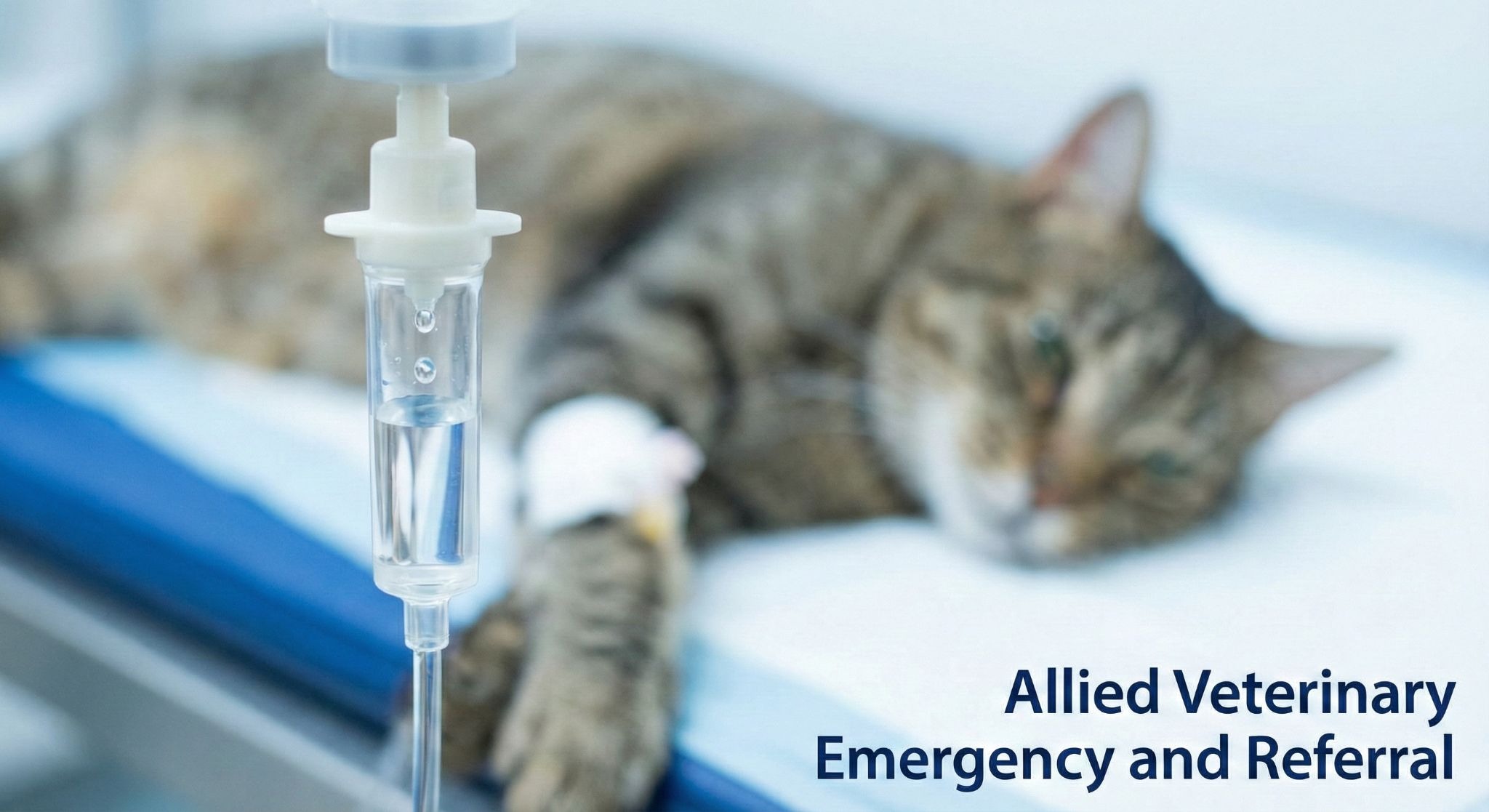
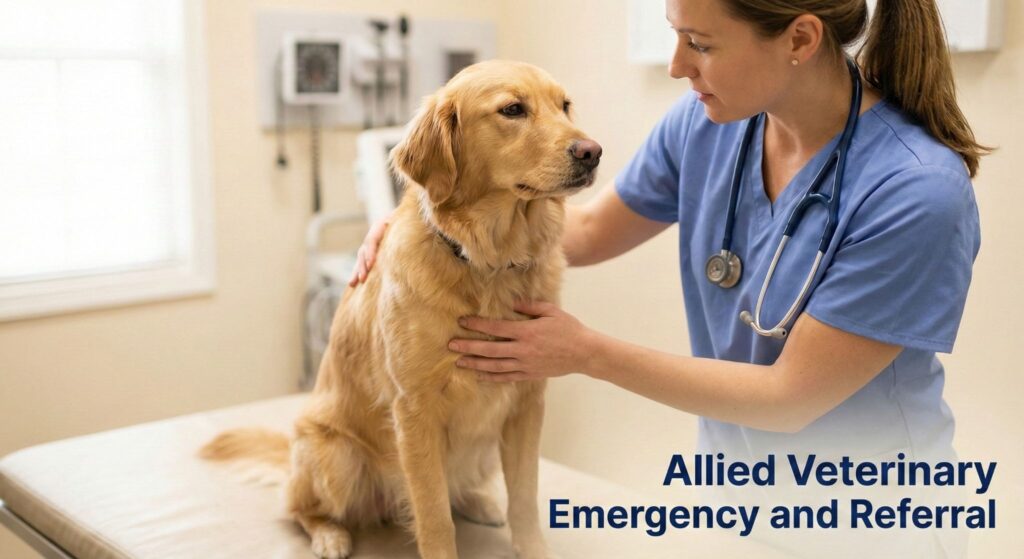
Your pet’s chemotherapy journey will involve a structured routine designed for safety and comfort. Chemotherapy can be administered in several ways, including oral pills given at home, injections under the skin, or intravenous (IV) infusions at one of our hospitals. The method chosen depends on the specific drug and the treatment protocol.
When you bring your pet to our Brooklyn Park location or another of our convenient facilities, we are fully invested in making the experience as stress-free as possible. Many pets handle their appointments surprisingly well, often greeting our team with wagging tails.
Your Pet’s Chemotherapy Appointment
A typical chemotherapy visit begins with a thorough physical examination and a discussion with you about how your pet has been feeling at home. Blood work is almost always performed to check key parameters, especially the white blood cell count (neutrophils), to ensure your pet is healthy enough to receive treatment. This careful monitoring allows us to adjust dosages or schedules as needed, always prioritizing your pet’s safety and well-being. Our compassionate team ensures your pet receives plenty of attention and comfort throughout their visit.
Managing Side Effects and Prioritizing Quality of Life
While veterinary chemotherapy is designed to be gentler, side effects can still occur in a small percentage of patients. The most common are mild gastrointestinal upset (decreased appetite, nausea, or diarrhea) and a temporary drop in white blood cells, known as bone marrow suppression.
Our veterinary oncology team is proactive in managing these potential issues. “We often prescribe anti-nausea medications to prevent an upset stomach, though our urgent care is available to assist if mild symptoms persist. We believe in collaboration and will provide you with clear instructions for supportive care at home. Should your pet experience a more significant reaction, our emergency services are always available for prompt care.
At-Home Care and Monitoring
As a pet owner, you play a vital role in the treatment team. We will equip you with the knowledge to monitor your pet at home. This includes recognizing subtle signs of nausea (like lip-smacking or drooling) and knowing when to contact us. Safety is also paramount. Chemotherapy drugs can be present in your pet’s waste for a few days post-treatment, so we will provide simple guidelines for safe handling. You can find additional helpful information in our pet parent resources.
Tailoring Treatment: Individualized Chemotherapy Protocols
Cancer care is not a one-size-fits-all discipline. The most effective pet cancer treatment is one that is completely individualized. Our veterinary oncologists design each chemotherapy protocol based on a comprehensive evaluation of your pet’s specific situation. This includes the cancer type and stage, age, concurrent health issues, and how they respond to the initial treatments.
This personalized approach allows us to maximize the treatment’s effectiveness while minimizing adverse effects. It’s a testament to our philosophy of providing thoughtful, individualized specialty care. Whether you visit us at our locations in Brooklyn Park, Minneapolis, Eden Prairie, Rochester, or Eau Claire, you will find a team committed to creating the best possible plan for your companion.
Allied Veterinary’s Approach to Compassionate Pet Cancer Care
At Allied Veterinary Emergency and Referral, we are more than just a provider of specialty care. We are a locally owned and invested partner in your pet’s health journey. We understand that a cancer diagnosis is scary. Our mission is to provide care defined by compassion and excellence. We take the time to listen to your concerns. Our team ensures you feel supported and informed at every turn.
Our independence allows us to focus solely on what is best for your pet and your family. We combine advanced medical expertise with a deeply empathetic approach. This strengthens the bond you share with your companion. From the first consultation to the final treatment, our team at our trusted Brooklyn Park center is here to provide the highest standard of care. Contact us to discuss your pet’s needs or to learn more about our compassionate approach to treatment.
Frequently Asked Questions About Pet Chemotherapy
Will my pet lose their fur during chemotherapy like humans do?
Fortunately, most pets do not experience significant hair loss during chemotherapy, unlike humans. Some breeds with continuously growing hair, like poodles or particular cats, may experience some thinning or whisker loss, but it’s generally not a common or severe side effect.
What are the most common side effects of chemotherapy in pets?
The most common side effects in pets are typically mild and include gastrointestinal upset (such as mild nausea, decreased appetite, or diarrhea) and a temporary decrease in white blood cell count (bone marrow suppression). These are usually manageable with supportive medications and careful monitoring.
How do veterinary oncologists prioritize my pet’s quality of life during chemotherapy?
Veterinary oncologists prioritize quality of life by carefully calculating chemotherapy doses to minimize side effects while optimizing efficacy. They also proactively prescribe supportive medications, conduct regular monitoring, and adjust treatment plans based on your pet’s individual response and comfort. The goal is to ensure your pet maintains a good quality of life throughout treatment.
How is pet chemotherapy administered, and what does a typical visit involve?
Pet chemotherapy can be administered in various ways, including oral medications given at home, injections, or intravenous (IV) infusions at the veterinary hospital. A typical visit often includes a physical examination, blood tests (like checking neutrophil counts), and discussions about your pet’s well-being since the last treatment.
Is pet chemotherapy meant to cure cancer or extend life?
In veterinary medicine, the primary goal of chemotherapy is often to provide a good quality of life for as long as possible and to slow the progression or achieve remission of the cancer, rather than a definitive cure. Treatment plans are tailored to ensure your pet remains comfortable and can enjoy their daily activities.