Key Takeaways
- Diagnosing cancer in cats can be complex, often requiring a combination of tests.
- Initial steps include a thorough physical exam and a comprehensive medical history.
- Diagnostic tools range from blood work and imaging (X-rays, ultrasound, CT/MRI) to definitive biopsies and cytology.
- Cancer staging helps determine the extent of the disease and guides treatment decisions.
- Allied Veterinary Emergency and Referral provides empathetic, advanced feline oncology diagnostics and care, particularly at their Brooklyn Park location.
- Early detection and understanding the diagnostic process are crucial for effective management and peace of mind.
The Initial Consultation: When to Suspect Cancer in Your Cat
Cats are masters at hiding discomfort and illness, a survival instinct inherited from their ancestors. This stoicism, while admirable, makes it challenging for even the most attentive pet parent to notice when something is wrong. A potential cancer diagnosis is one of the most stressful situations a pet owner can face, but early detection is the most powerful tool you have. For cat owners across Brooklyn Park and Minneapolis, recognizing subtle changes in your feline friend’s behavior or physical condition is the critical first step in the diagnostic journey. When you notice something is off, seeking professional veterinary guidance is essential.
Common Signs and Symptoms That Prompt a Vet Visit
While many symptoms can be attributed to less serious conditions, certain signs warrant a prompt evaluation by your veterinarian. These indicators, especially when they represent a change from your cat’s normal baseline, should not be ignored:
- Unexplained Weight Loss: Noticeable weight loss without a change in diet is a significant red flag.
- Changes in Appetite: This can include a sudden loss of interest in food or, less commonly, a sudden increase in hunger.
- Lethargy or Hiding: A once-playful cat that is now withdrawn, sleeping more, or hiding is a cause for concern.
- Lumps or Bumps: Any new mass, swelling, or sore that doesn’t heal should be examined.
- Persistent Vomiting or Diarrhea: While occasional digestive upset can occur, ongoing issues need investigation.
- Difficulty Breathing, Eating, or Swallowing: These symptoms can sometimes indicate a mass or obstruction and may require immediate emergency services.
- Changes in Bathroom Habits: This includes straining to urinate or defecate, or changes in the frequency or location of urination.
Remember, observing one or more of these signs is not a definitive diagnosis of cancer, but it is a clear signal that it’s time to schedule a veterinary visit.
The Comprehensive Physical Exam and Medical History
Your veterinarian’s investigation begins with the two most fundamental diagnostic tools: a detailed medical history and a thorough hands-on physical examination. You are an expert on your cat’s daily life, and the information you provide is invaluable. Your vet will ask questions about the symptoms you’ve noticed, your cat’s diet, energy levels, behavior, and any other changes. This history provides crucial context that guides the physical exam.
During the physical exam, the veterinarian will carefully assess your cat from nose to tail. They will listen to the heart and lungs, check the eyes and mouth, and gently palpate the abdomen, lymph nodes, and skin. This process allows them to feel for any abnormalities, such as masses, areas of pain, or enlarged organs, that could indicate an underlying issue. This initial, hands-on assessment is foundational for determining which diagnostic tests are needed next.
Advanced Diagnostic Imaging for Feline Cancer
When a physical exam reveals a potential mass or abnormality, the next step is often to look inside the body using non-invasive imaging. These technologies provide a window into your cat’s internal structures, helping to locate tumors, assess their size, and determine if they have spread. Allied Veterinary Emergency and Referral utilizes state-of-the-art diagnostic imaging as part of our specialty care at locations including Eden Prairie and Rochester to ensure precise and timely diagnoses.
X-rays and Ultrasound for Initial Assessment
X-rays (radiographs) are frequently the first imaging tool used. They are excellent for visualizing bones, the chest cavity, and certain abdominal organs. An X-ray can reveal tumors in the lungs or changes in the size and shape of organs.
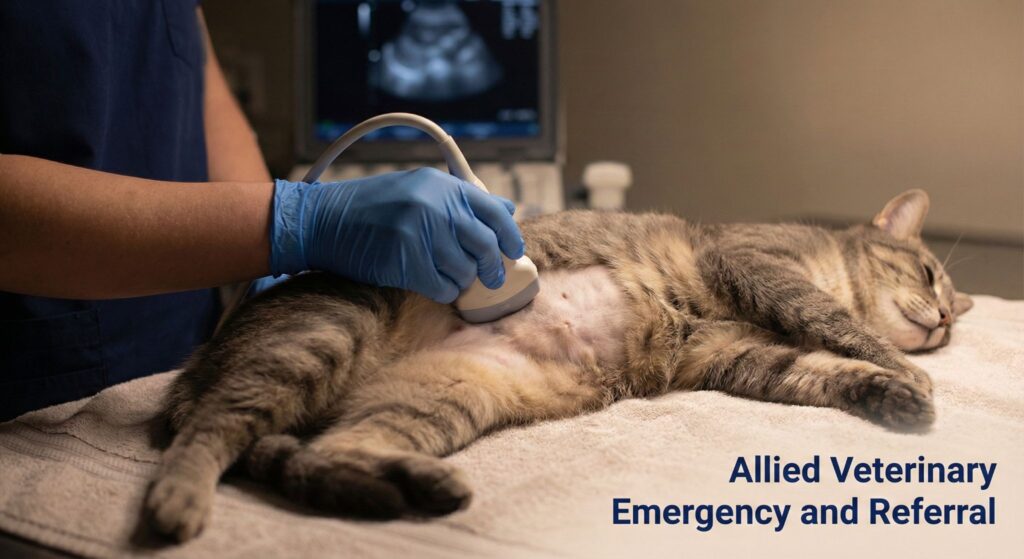
Ultrasound complements X-rays by providing a real-time, detailed view of soft tissues. Using sound waves, this tool allows veterinarians to examine the architecture of organs like the liver, spleen, kidneys, and intestines with incredible detail. It is particularly useful for identifying masses within these organs and can even be used to guide a needle for collecting cell samples.
CT and MRI Scans for Detailed Evaluation
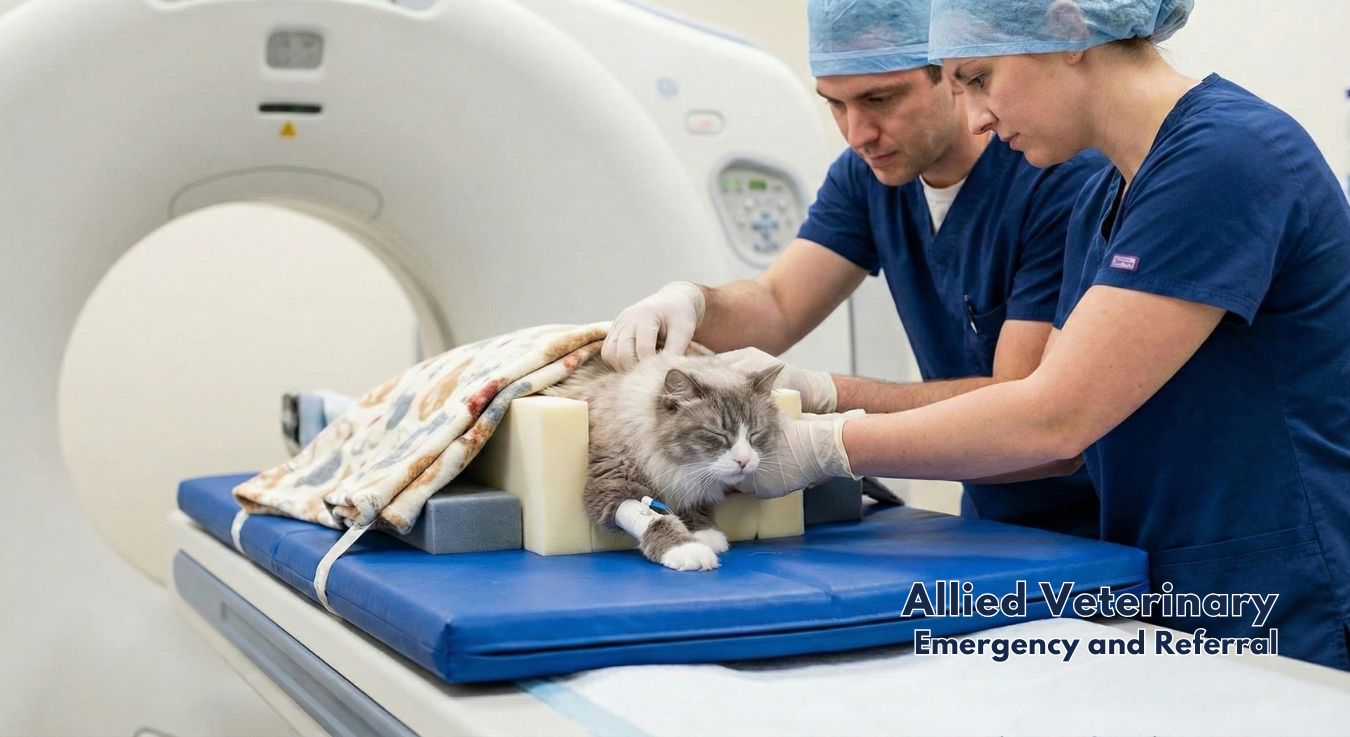
For more complex cases, advanced imaging may be recommended. A CT (Computed Tomography) scan uses X-rays to create detailed, cross-sectional “slices” of the body, which can be reconstructed into a 3D image. This is incredibly valuable for planning surgery, as it can show the exact size and location of a tumor and its relationship to surrounding blood vessels and tissues.
An MRI (Magnetic Resonance Imaging) scan uses a powerful magnetic field and radio waves to produce even more detailed images of soft tissues, especially the brain and spinal cord. It is the preferred method for diagnosing brain tumors or assessing the extent of tumors involving the nervous system.
Laboratory Testing: Blood Work, Urinalysis, and Cytology
While imaging shows us the “what” and “where,” laboratory tests help paint a picture of your cat’s overall health and can provide cellular-level clues about a suspected tumor. These tests are a critical component of a comprehensive diagnostic workup.
Blood Tests and Urinalysis
A complete blood count (CBC) and a chemistry panel are standard blood tests that provide a wealth of information. They assess red and white blood cell counts, platelet levels, and organ function (such as kidney and liver health). While these tests don’t typically diagnose cancer directly, they can reveal abnormalities associated with certain cancers or help determine if a cat is a stable candidate for further procedures like anesthesia. A urinalysis evaluates kidney function and can detect signs of infection or bleeding in the urinary tract. Vets may also test for viruses like Feline Leukemia Virus (FeLV) or Feline Immunodeficiency Virus (FIV), which can increase a cat’s risk for developing certain types of cancer.
Fine Needle Aspirates (FNA) and Cytology
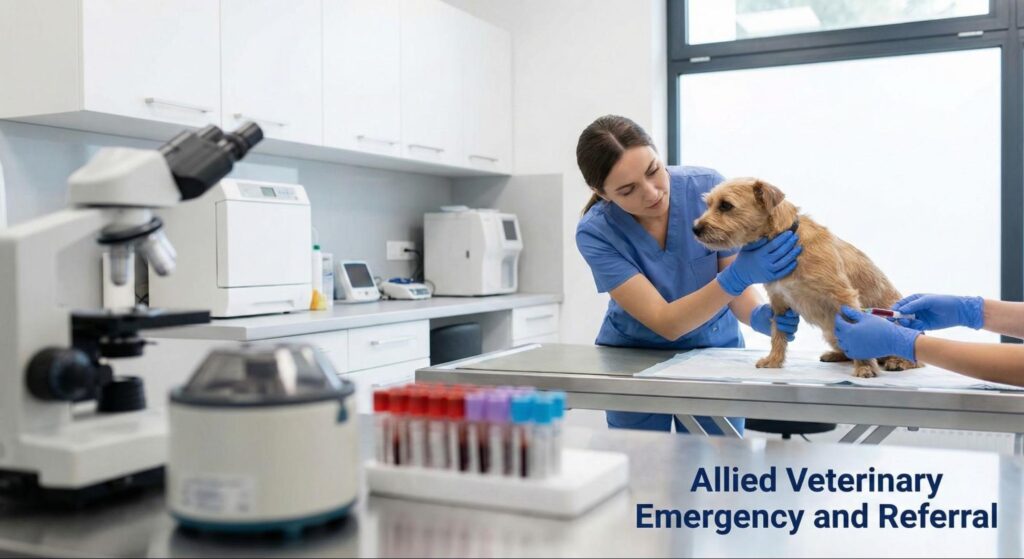
If a lump or enlarged organ is found, one of the quickest and least invasive ways to investigate it is with a fine needle aspirate (FNA). This procedure involves using a very thin needle to collect a small sample of cells directly from the area of concern. These cells are then placed on a microscope slide, stained, and examined by a veterinarian or veterinary pathologist. This examination, called cytology, can often differentiate between inflammation, infection, and cancer, providing rapid and valuable insights to guide the next steps.
Biopsy and Histopathology: Achieving a Definitive Diagnosis
While cytology is an excellent screening tool, the gold standard for a definitive cancer diagnosis is a biopsy. Unlike an FNA, which collects individual cells, a biopsy involves taking a small piece of tissue from the suspected tumor. This tissue sample is then sent to a laboratory for histopathology, where a veterinary pathologist examines the complete cellular architecture under a microscope.
Types of Biopsies and What to Expect
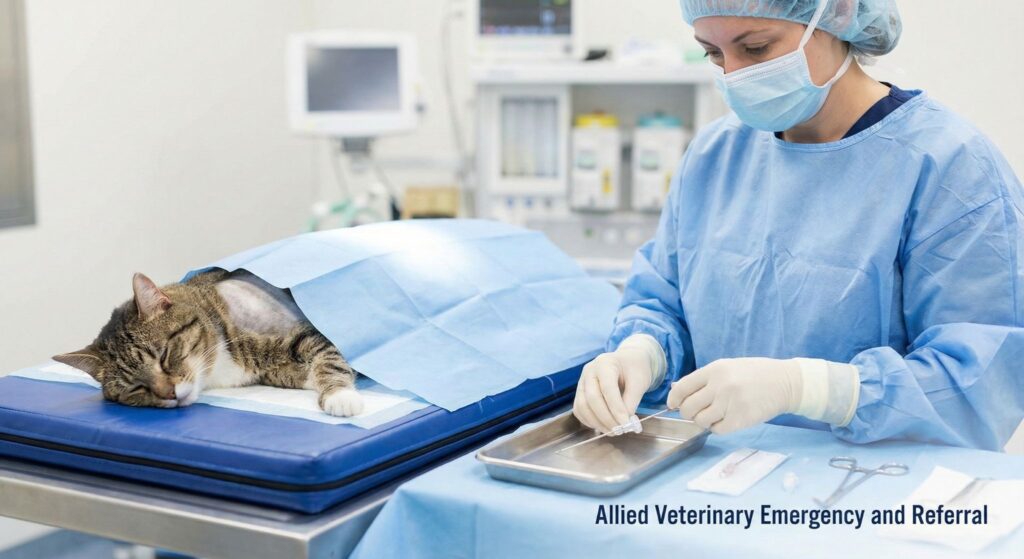
There are several types of biopsies, including incisional (taking a small piece of a large tumor) and excisional (removing the entire mass). These procedures are typically performed under sedation or general anesthesia. The histopathology report provides the most accurate and definitive diagnosis, identifying the exact type of cancer. Crucially, it also provides the tumor’s “grade”—a measure of its aggressiveness—which is vital information for predicting how the tumor will behave and for creating an effective treatment plan.
Cancer Staging and Grading in Cats
Once a cancer diagnosis is confirmed through a biopsy, two crucial steps remain: staging and grading. The grade, as mentioned, is determined by the pathologist and describes how aggressive the tumor cells appear. Staging, however, is the process of determining the extent of the cancer in the body. It answers the question, “Has the cancer spread?”
Understanding the Stages and Grades of Feline Cancer
Veterinarians use the TNM system (Tumor, Node, Metastasis) to stage a cancer. This involves assessing the size of the primary tumor (T), whether it has spread to nearby lymph nodes (N), and whether it has metastasized, or spread to distant organs like the lungs or liver (M). This process often involves additional diagnostics, such as chest X-rays, an abdominal ultrasound, and aspirates of lymph nodes. Understanding the stage and grade is essential, as it helps the veterinary oncology team at facilities like Allied Veterinary Emergency and Referral in Eau Claire, WI, to provide an accurate prognosis and develop the most appropriate treatment plan.
The Diagnostic Journey: What Happens Next?
Navigating a potential cancer diagnosis can feel overwhelming for pet parents. The timeline can vary, with some initial results available quickly, while biopsy reports may take several days. The key is to maintain open communication with your v. They are there to answer your questions, explain the results, and guide you through each decision with clarity and compassion.
From Diagnosis to Treatment Planning
Receiving a definitive diagnosis and stage is not the end of the journey; it’s the beginning of a clear path forward. Once all the information is gathered, the veterinary oncology team will sit down with you to discuss the findings in detail. They will explain the specific type of cancer your cat has, the prognosis, and all available treatment options. This is a collaborative process, where your family’s goals and your cat’s quality of life are the top priorities. Comprehensive oncology consultations empower you to make informed and confident decisions about your cat’s care.
Advanced Feline Oncology Diagnostics at Allied Veterinary Emergency and Referral
At Allied Veterinary Emergency and Referral, we understand that behind every test result is a beloved member of your family. Our approach to feline oncology is built on a foundation of “Invested Veterinary Care”—a commitment to combining medical excellence with genuine compassion. We are a locally owned practice, which means our decisions are guided by our values and a deep connection to the Minnesota and Western Wisconsin communities we serve. We invest our time, energy, and heart into providing thoughtful, individualized diagnostic care.
Why Choose Allied Veterinary for Your Cat’s Cancer Diagnostics in Brooklyn Park
Facing the uncertainty of a potential cancer diagnosis requires a partner you can trust. Your cat deserves access to state-of-the-art diagnostic technology and professionals who excel in complex feline cases. You can expect human-centered medicine that prioritizes clear communication and empathetic support throughout the entire diagnostic process.
Accessing advanced medical services with accessible pricing helps ensure the best possible outcome for your feline companion. Contact us today to schedule a consultation.
FAQs
What are the early signs of cancer in cats that pet owners should watch for?
Early signs of cancer in cats can be subtle and varied, but often include unexplained weight loss, changes in appetite or eating habits, lethargy, persistent vomiting or diarrhea, and the appearance of new lumps or bumps on their body. Any significant changes in behavior or physical condition warrant a veterinary visit.
How quickly can a veterinarian diagnose cancer in a cat after the initial consultation?
The timeline for a cancer diagnosis in cats varies depending on the suspected type of cancer and the diagnostic tests required. Some initial insights may come from a physical exam and blood work, but definitive diagnoses often require specialized imaging and biopsy results, which can take several days to a week or more for pathology reports.
What is the difference between cytology and a biopsy in diagnosing feline cancer?
Cytology involves collecting individual cells from a mass (often via fine needle aspirate) and examining them under a microscope to identify cancerous characteristics. A biopsy involves surgically removing a larger tissue sample, which provides more comprehensive information about cell structure, tumor type, and aggressiveness, leading to a more definitive diagnosis.
Will my cat need to be sedated for cancer diagnostic tests?
Many initial diagnostic tests, such as physical exams, blood draws, and fine needle aspirates, can often be performed without sedation. However, more advanced imaging like CT or MRI scans, or surgical biopsies, typically require sedation or general anesthesia to ensure the cat’s comfort, safety, and the accuracy of the procedure.
How does Allied Veterinary Emergency and Referral support cat owners through a cancer diagnosis?
Allied Veterinary Emergency and Referral is committed to providing invested, compassionate care throughout the feline cancer diagnostic process. Our team focuses on clear communication, thorough explanations of diagnostic options, and a supportive environment for both pets and their owners. We offer advanced diagnostic imaging and specialist oncology consultations, particularly at our Brooklyn Park location, to help guide you through every step.