Key Takeaways
- Modern veterinary chemotherapy prioritizes your pet’s comfort and quality of life over aggressive protocols.
- Treatments are tailored to each pet, using advanced drugs and methods to minimize side effects.
- The goal is to extend a happy, comfortable time with your family, not just fight the disease.
- Compassionate, expert pet oncology care is available for families across the Twin Cities, Minnesota, and Western Wisconsin.
A Modern Approach to Veterinary Cancer Care
Hearing the word “cancer” in relation to a beloved pet is one of the most difficult experiences a family can face. Immediately, minds often turn to images of human chemotherapy—a grueling process associated with severe side effects. However, it’s crucial to understand that modern pet chemotherapy has evolved with a profoundly different philosophy. Today, the focus has shifted from aggressive, curative-only goals to prioritizing your pet’s comfort, happiness, and overall well-being.
At Allied Veterinary, our commitment to invested care means we approach pet oncology in Minnesota with empathy and a deep understanding of the human-animal bond. Unlike human medicine, where extending lifespan is often the primary objective, veterinary chemotherapy options are designed to ensure that the time gained is quality time. The goal is to manage the disease as a chronic condition, allowing your dog or cat to continue enjoying their daily routines, favorite activities, and precious moments with you. This modern approach is less about fighting a battle at all costs and more about nurturing a life worth living.
The Primary Goal: Your Pet’s Quality of Life
When we talk about “quality of life,” we are referring to the tangible, everyday joys that make your pet who they are. Does your dog still greet you at the door with a wagging tail? Does your cat still seek out a sunny spot for a nap? Are they eating well, free from significant pain, and showing interest in gentle play? These are the benchmarks that guide every decision in modern pet cancer treatment.
Every treatment plan is built around preserving these positive experiences. The aim of palliative cancer care for pets is often to shrink tumors, slow their growth, and alleviate symptoms like pain, breathing difficulty, or discomfort. By doing so, chemotherapy can actually improve a pet’s quality of life, giving them more energy and comfort than they had before treatment began. Our veterinary oncology team collaborates with you to define what quality of life means for your individual pet and family, ensuring that every step we take aligns with those shared goals. We believe that successful treatment is measured not just in weeks or months, but in happy, comfortable days.
How Chemotherapy is Tailored for Each Pet
There is no one-size-fits-all protocol when it comes to chemotherapy for dogs and cats. A comprehensive cancer treatment plan starts with a precise diagnosis, often utilizing advanced diagnostic imaging to understand the type, stage, and location of the cancer. From there, our team of specialists develops a personalized strategy based on numerous factors:
- The specific type of cancer and its behavior.
- Your pet’s age, breed, and overall health.
- Any co-existing medical conditions.
- Your family’s goals, lifestyle, and budget.
This collaborative process ensures the chosen therapy offers the best possible outcome with the fewest disruptions to your pet’s life. Several veterinary chemotherapy options may be considered.
Metronomic Chemotherapy (Low-Dose, Continuous)
This innovative approach involves administering low doses of chemotherapy drugs on a more frequent, often daily, schedule at home, instead of directly killing cancer cells with high-dose infusions. Metronomic chemotherapy works by cutting off the tumor’s blood supply and stimulating the immune system to recognize and fight the cancer. It is exceptionally well-tolerated and is an excellent option for long-term management with minimal side effects.
Traditional IV Protocols
For certain types of cancers, intravenous (IV) chemotherapy administered at the hospital remains the most effective option. However, the doses and schedules used in pets are carefully calculated to be less aggressive than those used in humans. These treatments are typically given every one to three weeks, allowing your pet’s body ample time to recover between sessions.
Oral Chemotherapy Options
Many modern chemotherapy drugs are now available in pill form, allowing for convenient at-home administration. This reduces stress for pets who may be anxious about hospital visits and gives families more flexibility. Our oncology team provides detailed instructions and support to ensure medication is given safely and effectively.
Understanding and Managing Chemotherapy Side Effects
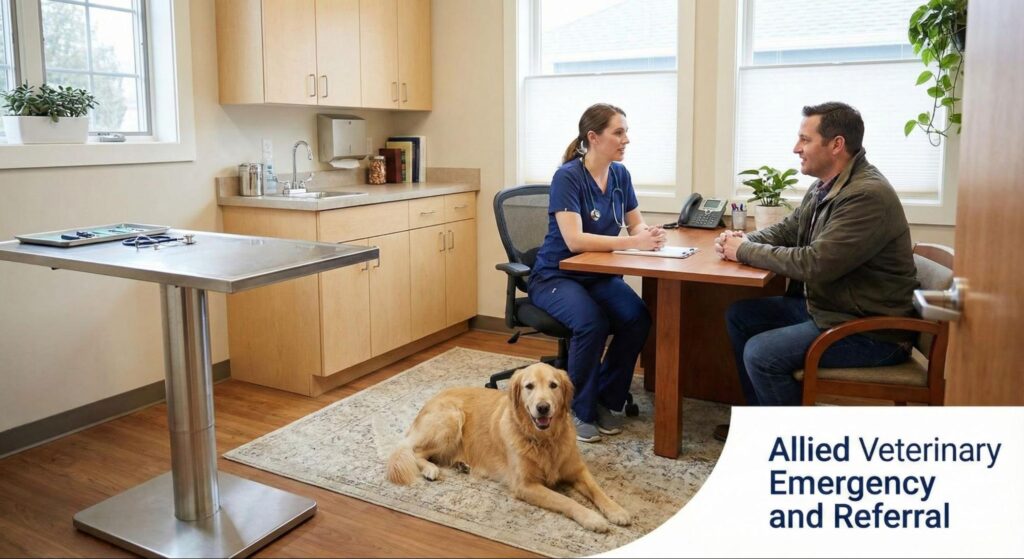
The fear of side effects is the most common concern for pet owners considering chemotherapy. Fortunately, most pets tolerate treatment remarkably well. It is estimated that fewer than 5% of pets experience significant side effects that might require hospitalization. The vast majority experience only mild, transient symptoms or none at all.
This is because veterinary protocols use lower doses and often different drugs than human oncology. When side effects do occur, they are typically mild and may include:
- A temporary decrease in appetite
- Mild nausea or vomiting
- Slight lethargy or fatigue for a day or two post-treatment
Our team is proactive about managing these potential issues. We provide anti-nausea medications, appetite stimulants, and clear guidance on what to watch for at home. Our goal is to prevent side effects before they start, keeping your pet comfortable throughout their treatment journey. We work closely with you as a partner in their care, ensuring you have the support and resources needed every step of the way. In some cases, chemotherapy is part of a broader plan that may also include specialized veterinary surgery to remove a primary tumor.
Compassionate Oncology Care in the Twin Cities & Beyond
Navigating a pet cancer diagnosis requires a dedicated and compassionate partner. For families seeking pet cancer treatment in the Twin Cities, throughout Minnesota, and in Western Wisconsin, Allied Veterinary is here to provide that support. Our approach to modern pet chemotherapy is rooted in our core belief in invested, collaborative care. We combine advanced medicine with genuine empathy to create a treatment plan that honors your pet’s dignity and your family’s wishes.
Pet parents in the Twin Cities, including families near our Brooklyn Park location and our Eden Prairie location, can rely on Allied Veterinary for modern, compassionate chemotherapy options tailored to their pet’s comfort and well-being. Our dedicated our veterinary oncology services are part of a comprehensive network of specialty care, ensuring your pet has access to everything they need under one roof. When facing the unexpected, you can also count on our emergency services team for urgent support.
Talk to Our Invested Veterinary Oncology Team
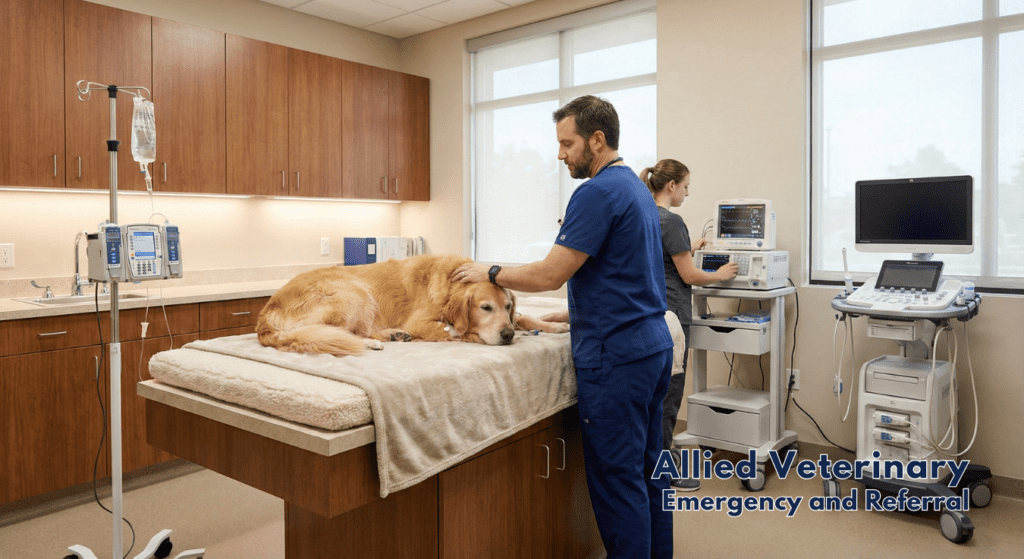
Facing a cancer diagnosis can be overwhelming, but you don’t have to navigate it alone. Contact us for a consultation to learn more about our modern, quality-of-life-focused oncology services and find a compassionate partner for your pet’s care.
FAQs
How does modern pet chemotherapy differ from traditional treatments?
Modern pet chemotherapy focuses primarily on the pet’s quality of life. Protocols use lower doses and more targeted drugs to minimize side effects, aiming to extend happy, comfortable time with family rather than pursuing a cure at all costs.
Will chemotherapy improve my pet’s quality of life?
In many cases, yes. The goal of modern chemotherapy is often palliative, meaning it aims to reduce tumor size, alleviate symptoms like pain or discomfort, and help your pet feel better and enjoy their daily activities for as long as possible.
How well do pets typically tolerate chemotherapy?
Most pets tolerate chemotherapy much better than humans do. While some mild side effects like temporary fatigue or decreased appetite can occur, severe illness is uncommon. Our team provides proactive, supportive care to keep your pet comfortable throughout treatment.
Are oncology services available at Allied’s Brooklyn Park and Eden Prairie clinics?
Yes, our specialized veterinary oncology services are available to support families throughout the Twin Cities metro area, including at our state-of-the-art hospitals in Brooklyn Park and Eden Prairie.