
Key Takeaways
- Emergency vet visits cost more than regular care due to the necessity of 24/7 staffing, advanced immediate diagnostics, and specialized life-saving equipment.
- Primary care vets handle predictable, scheduled wellness, while emergency rooms must remain constantly equipped for unpredictable traumas.
- Independent, locally-owned clinics like Allied Veterinary are completely free from corporate shareholder demands, allowing for more accessible pricing without ever compromising medical quality.
- Knowing the signs of a true life-threatening emergency can help you decide whether to seek immediate 24-hour care or wait for an appointment with your regular veterinarian.
When a pet suddenly falls ill or gets injured, the last thing you want to worry about is the cost. Yet, as pet parents, financial anxiety is a very real part of navigating an unexpected medical crisis. At Allied Veterinary Emergency and Referral, an independent and locally owned clinic, our veterinary team consistently sees families struggling to weigh the immediate needs of their pet against the fear of a massive bill. We are heavily invested in your pet’s outcome, as well as your peace of mind. In our experience treating critical cases, understanding the differences in pricing structures before you arrive can alleviate significant stress. This guide will help you understand why emergency care costs what it does, how our private ownership model keeps costs accessible, and when a trip to the ER is truly unavoidable.
What Is the Difference Between Emergency and Regular Vet Costs?
Regular veterinary care focuses on long-term health through scheduled maintenance. These visits include wellness exams, vaccinations, and dental cleanings. Because a primary care clinic manages a predictable calendar, it can optimize its staffing and inventory during set business hours. This structured approach allows them to keep prices stable and predictable for routine needs.
In contrast, emergency care is inherently reactive and unscheduled. An emergency animal hospital must maintain a constant state of readiness to handle everything from a sudden toxin ingestion to a severe traumatic injury. This immediate availability requires a significantly higher level of overhead to ensure that specialists and life-saving equipment are available at any time, including the middle of the night. While a regular vet visit is an investment in prevention, an emergency visit is a mobilization of critical resources to stabilize an acute crisis.
Why Does Emergency Veterinary Care Cost More?
Emergency veterinary care costs more due to three primary factors: the necessity of 24/7 staffing by highly trained specialists, the availability of in-house advanced diagnostic imaging, and immediate access to critical care resources. Operating a hospital capable of saving lives at any hour requires significant, ongoing investment in elite personnel and life-saving technology.
When we work with clients in the middle of the night, we frequently explain that the cost of their visit directly reflects the sheer volume of resources mobilized the second they walk into the building.
The higher cost of an emergency visit is often linked to the specialized nature of the environment. Unlike a general practice that may refer complex cases to an outside facility, an ER must have the capability to perform advanced procedures and monitoring in-house. This comprehensive setup requires a different financial model to sustain round-the-clock operations and specialized staffing.
The Cost of 24/7 Readiness
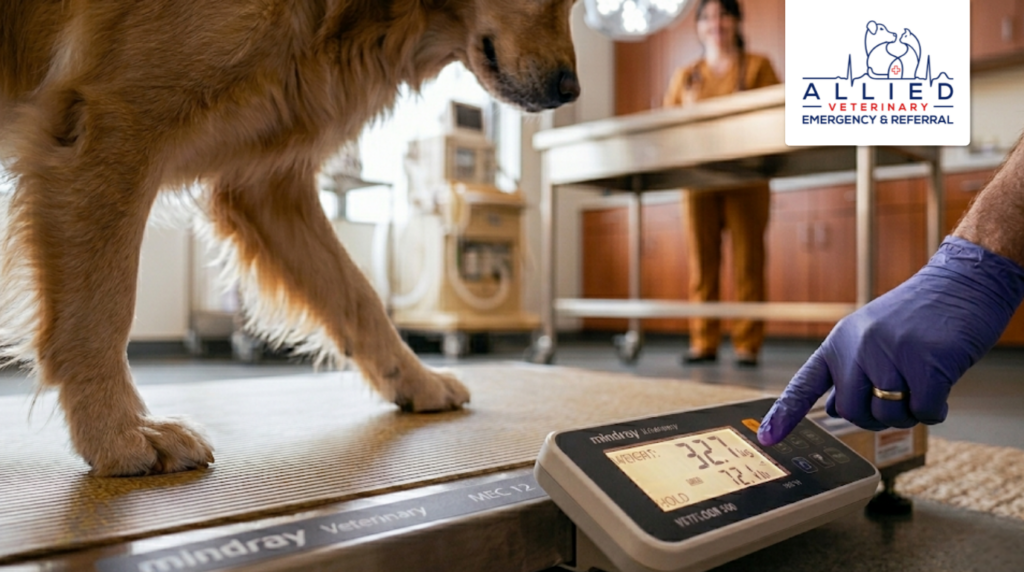
Maintaining a hospital that never closes is a massive undertaking. To provide consistent care, we must have multiple shifts of doctors, nurses, and support staff available every hour of the year, including holidays and weekends. This level of staffing ensures that when you arrive with a pet in distress, a professional team is ready to perform an immediate triage. The necessity of staying open twenty-four hours a day is a primary factor in emergency billing, as it ensures the facility is fully operational regardless of the number of patients currently in the building.
Advanced Diagnostics and Immediate Results
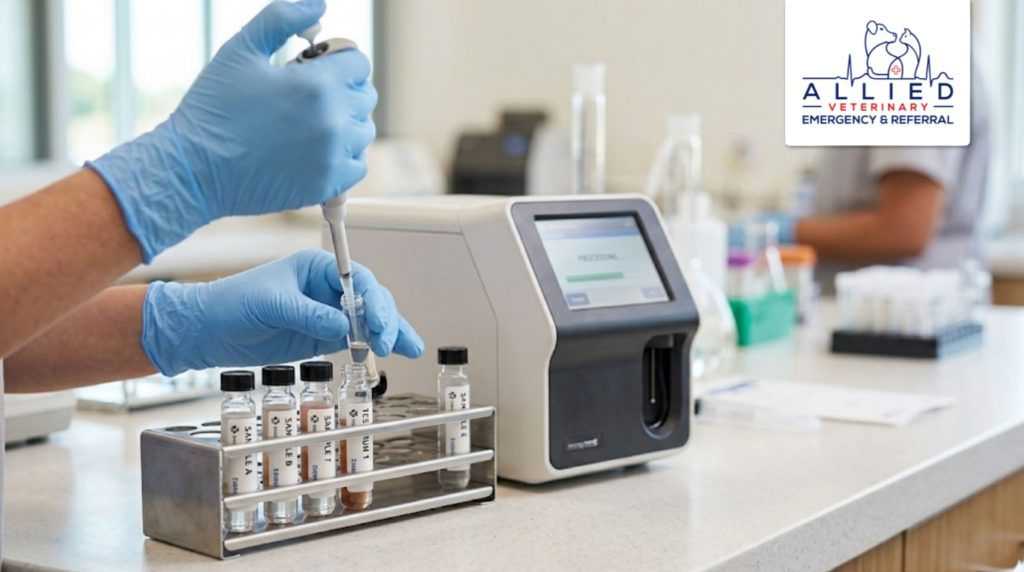
In a regular vet visit, some lab tests or X-rays might be sent to a third-party laboratory, with results arriving in a few days. In an emergency, waiting days is not an option. Our facility is equipped with an on-site diagnostic laboratory and advanced imaging tools like ultrasound and digital radiography that provide answers in minutes. The investment in these high-end tools allows us to make life-saving decisions in real-time, which is a key component of specialized emergency care.
How Does a Privately Owned ER Make Care More Accessible?
Our status as a privately owned facility allows us to prioritize medical integrity over the standardized financial quotas often seen in corporate veterinary chains. We understand that an unplanned medical expense is a significant burden for any family. Because our leadership is local and active within the clinic, we have the flexibility to offer transparent estimates and discuss financial options without navigating layers of corporate approval. This direct communication ensures that you are fully informed about the costs of potential treatments before they are performed.
We also focus on maximizing efficiency through on-site specialized care, which reduces the need for multiple referrals and repeated diagnostic fees. By consolidating advanced services under one roof, we streamline the path to recovery and help manage the overall investment in your pet’s health. Our independence means we are accountable to the pets we treat and the families we serve rather than a distant board of directors.
Should I Go to the Emergency Vet or Wait for Regular Care?
Choosing whether to seek immediate help or wait for an appointment with your primary veterinarian is a decision that involves both medical and financial considerations. While the initial emergency vet cost is higher than a routine visit, delaying care for an acute issue can lead to a far more expensive and complex medical situation later. For instance, treating a toxin ingestion early is often a straightforward decontamination process. If that same toxin is left to be absorbed, it may result in days of intensive hospitalization and organ support, which significantly increases the total cost of care.
If your pet is showing signs of severe pain, difficulty breathing, or sudden weakness, an ER visit is the most cost-effective choice in the long run. We encourage owners to call our triage team if they are uncertain about the severity of a symptom. A professional assessment over the phone can help you determine if an immediate visit is necessary or if your pet can safely wait for a regular clinic to open. Our goal is to ensure your pet receives the right level of care at the right time.
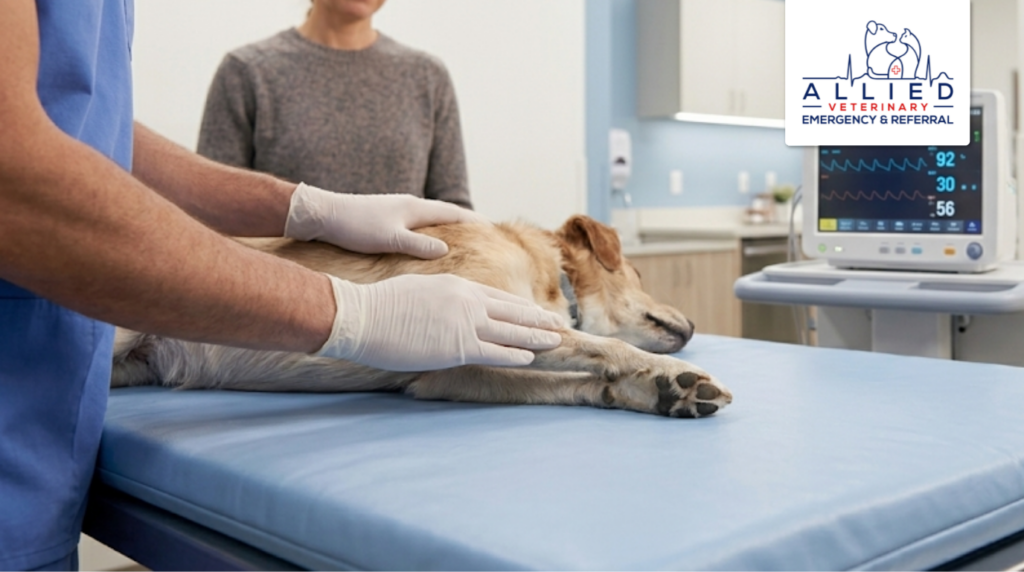
Specialized Care and Transparent Pricing for Your Pet
At Allied Veterinary Emergency and Referral, our independence allows us to focus entirely on your pet’s medical outcome without the pressure of corporate volume quotas. We invest in high-end diagnostic technology and specialized nursing staff to ensure every treatment plan is efficient, accurate, and clear. This commitment to medical integrity ensures your pet receives the highest standard of care from a local team deeply invested in your community.
Our facilities in Minnesota and Wisconsin are built to provide rapid answers and immediate stabilization for your companion. If you have questions about our services or need to alert our staff that you are on your way, you can get in touch with our emergency desk at any hour. Allied Veterinary Emergency and Referral is ready to provide the professional support and expert guidance your family needs to navigate any veterinary emergency.
Frequently Asked Questions
How much does an average emergency vet visit cost?
An emergency vet visit typically costs more than a standard wellness exam due to the need for immediate, advanced diagnostics and 24/7 staffing. At Allied Veterinary, our independent model allows us to keep these life-saving costs as accessible as possible.
Why are corporate emergency vets sometimes more expensive?
Corporate veterinary clinics often have pricing structures dictated by shareholder expectations and corporate overhead. Independent clinics like Allied Veterinary set their own pricing, focusing solely on medical integrity and community accessibility.
Can I go to urgent care instead of the emergency vet to save money?
Yes, for non-life-threatening but prompt issues like minor wounds or ear infections, veterinary urgent care is often a more cost-effective bridge between a primary vet and the ER.
Does pet insurance cover emergency vet visits?
Most comprehensive pet insurance plans cover emergency vet visits, advanced diagnostics, and surgeries, though coverage depends on your specific provider and policy terms.
What should I do if I can’t afford an emergency vet bill?
Communicate openly with your veterinary team; many independent clinics offer flexible payment options like CareCredit or Scratchpay to help manage the cost of unexpected emergencies.