Key Takeaways
- Gold-Standard Solution: TPLO surgery is widely regarded as the most effective and reliable treatment for a torn CCL in dogs, particularly for medium to large breeds.
- Predictable Recovery Timeline: While full bone healing takes 8 to 12 weeks of strict rest, most dogs begin comfortably bearing weight on the operated leg within just a few days.
- Corporate-Free Care: Choosing an independent specialty clinic guarantees personalized, high-integrity medical care without the pressures of corporate shareholder quotas.
- Accessible Excellence: Locally owned practices can offer high-end specialty surgeries, including advanced diagnostics and post-operative monitoring, at highly accessible pricing.
Noticing your dog suddenly limping or holding a back leg off the ground is a distressing experience that often leads to a diagnosis of a torn cranial cruciate ligament. At Allied Veterinary Emergency and Referral, we understand the high level of anxiety that comes with orthopedic injuries. Our goal is to provide the clinical clarity and advanced surgical expertise you need to move from a state of worry to a clear plan for your pet’s mobility. By utilizing the gold standard in veterinary orthopedics, we ensure that your companion has the best possible chance at a full and active recovery.
What is a TPLO Cruciate Repair for Dogs?
Tibial Plateau Leveling Osteotomy, commonly referred to as TPLO, is a specialized orthopedic surgery that stabilizes a dog’s knee after a cranial cruciate ligament (CCL) tear. Instead of attempting to replace the ligament, this procedure permanently alters the angle of the shin bone to change the biomechanics of the joint. By leveling the tibial plateau, our surgeons completely eliminate the knee’s reliance on the torn ligament, which allows the joint to function smoothly and pain-free.
To understand why TPLO surgery for dogs is so critical, it helps to look at the unique anatomy of a dog’s hind leg. A canine’s CCL is the equivalent of a human’s ACL. However, unlike humans, who stand with their knees relatively straight, dogs stand with their knees consistently bent. This constant state of flexion means the CCL is under continuous tension, preventing the femur (thigh bone) from sliding backward off the tibia (shin bone).
When this ligament tears, every step causes the bones to slide uncomfortably against one another. This instability results in intense pain, inflammation, and the rapid development of arthritis. In our experience performing dog cruciate ligament repair, traditional methods that attempt to artificially replace the ligament often fail, especially in larger or more active dogs.
TPLO takes a revolutionary approach by making a precise circular cut in the tibia. Our surgeons rotate the bone to level the weight-bearing surface and secure it with a specialized titanium plate and screws. This change neutralizes the sliding force and provides immediate, robust stability. Today, veterinary specialists consider this the premier option for restoring long-term mobility.
How Do I Know if My Dog Needs TPLO Surgery?
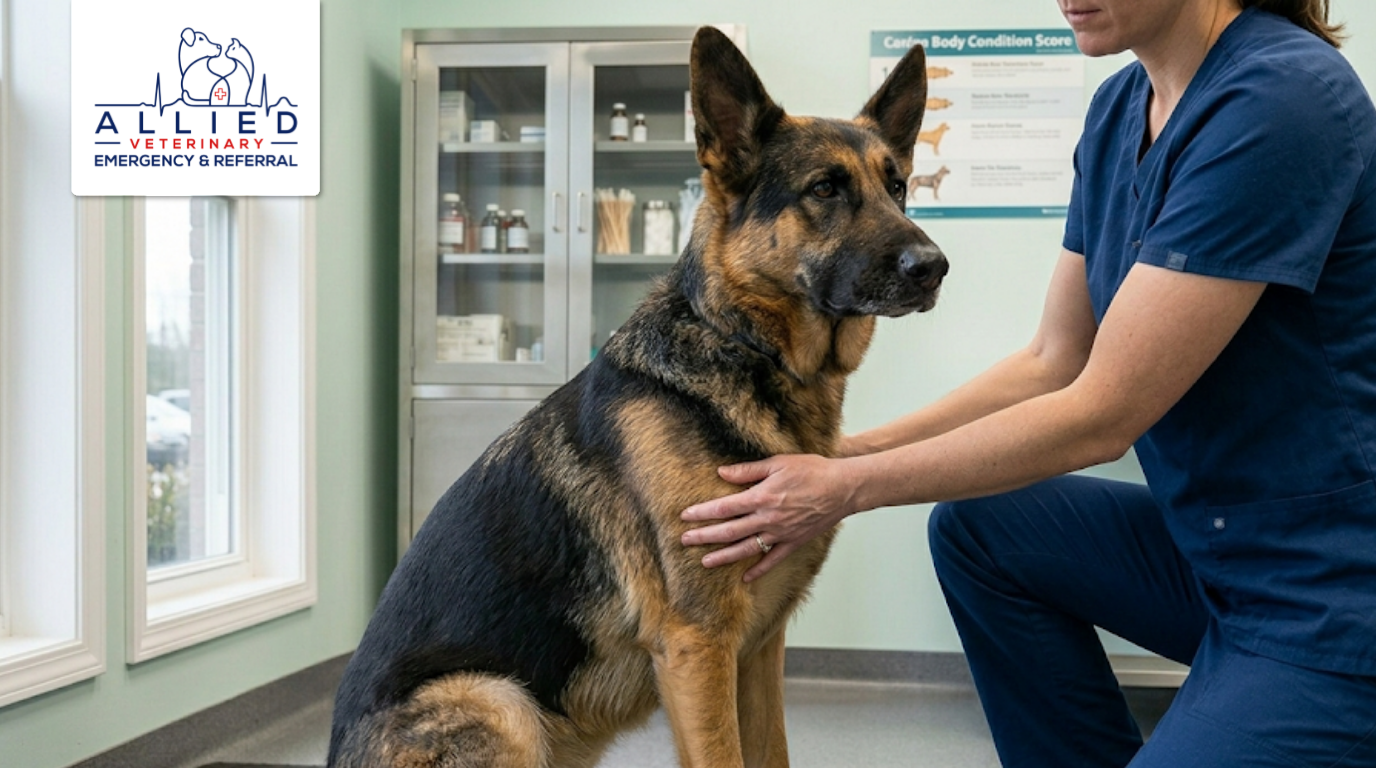
The most common signs that your dog requires an orthopedic evaluation include sudden hind-leg limping, holding the affected leg up completely, or visible joint swelling after routine physical activity. If you notice these symptoms, an immediate veterinary evaluation utilizing diagnostic imaging results is necessary to accurately confirm a CCL tear in dogs.
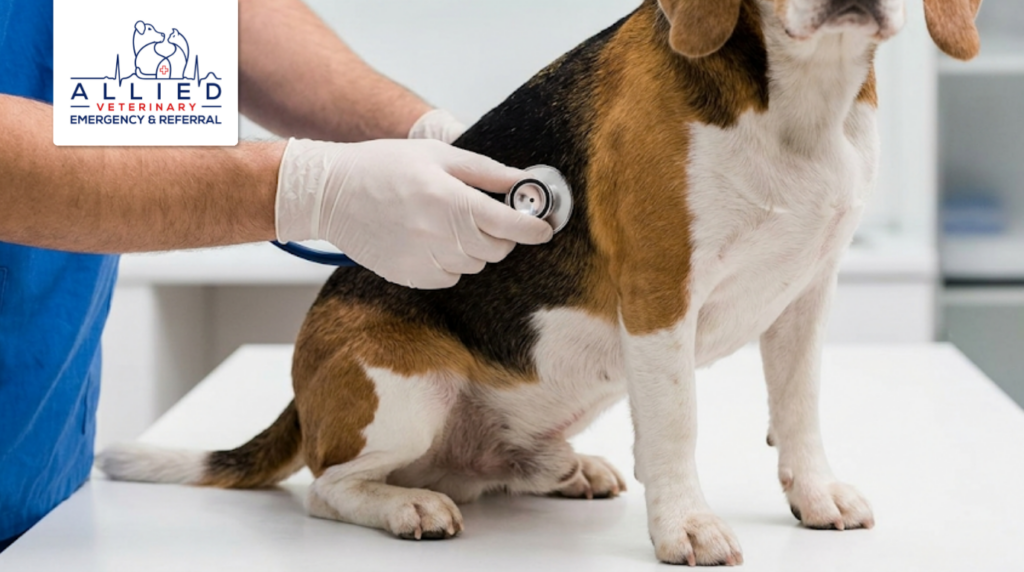
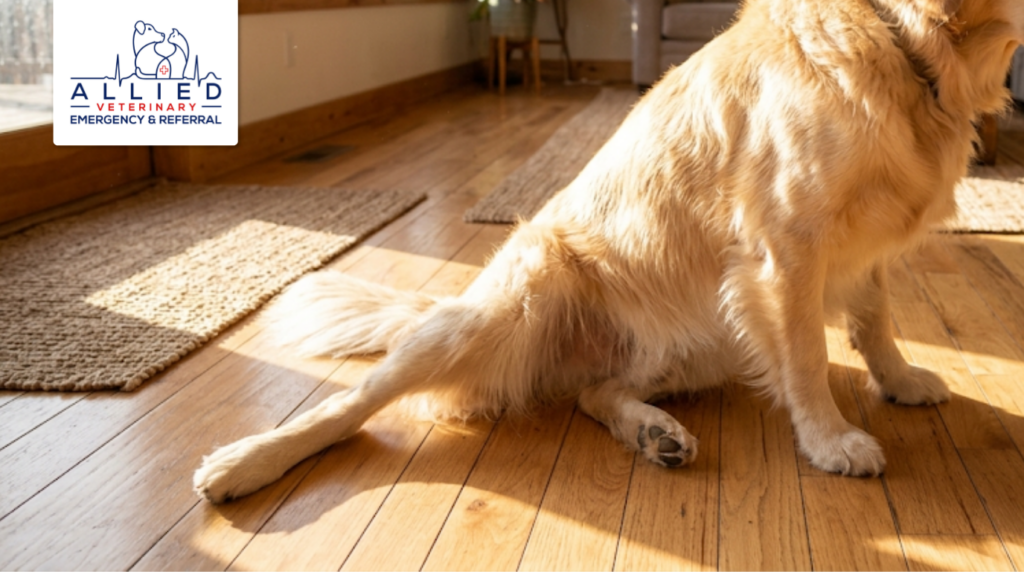
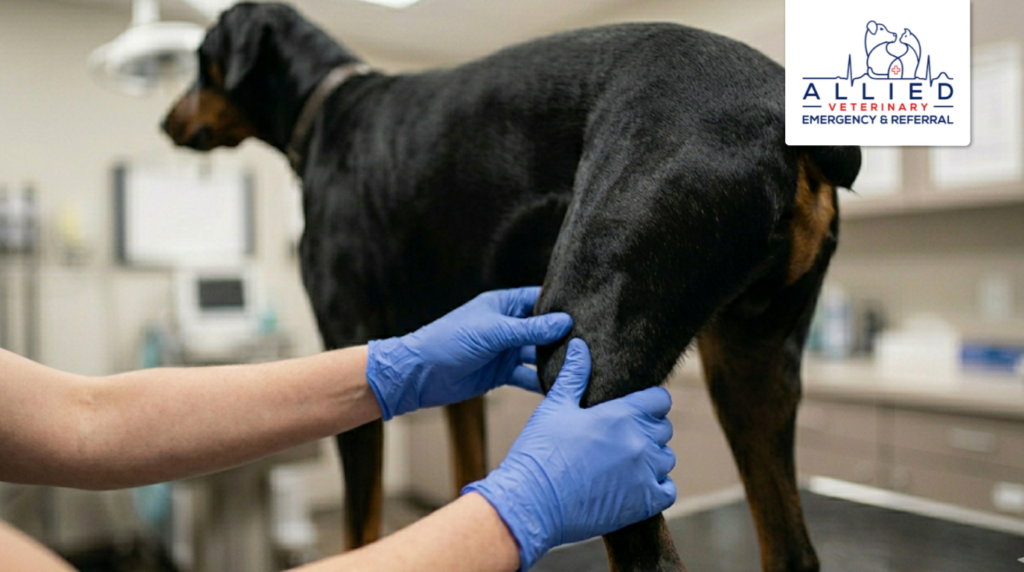
We know that noticing these signs can trigger immediate panic. You might observe your dog struggling to rise from their bed or sitting awkwardly with their leg kicked out to the side, which is often called the “sit test.” When you bring your dog to our locally owned clinic, we prioritize an invested diagnostic approach. We do not rush you through a corporate assembly line. Instead, our expert veterinarians take the time to comprehensively examine your dog and test for the cranial drawer sign, which is a specific looseness in the knee joint that strongly indicates a ligament rupture.
To guarantee precision, we utilize digital X-rays to measure the exact slope of your dog’s tibia and assess the degree of osteoarthritis already present. Every dog’s anatomy and lifestyle are unique. By combining thorough physical examinations with comprehensive orthopedic assessments, we ensure that our surgical recommendations are based purely on medical integrity and what is genuinely best for your pet’s long-term comfort.
What Does the TPLO Surgery and Recovery Timeline Look Like?
The standard TPLO recovery time spans 8 to 12 weeks, consisting of strict rest, managed pain control, and the highly gradual reintroduction of physical activity. While many dogs will begin bearing weight lightly within just a few days of the procedure, their bones require the full timeline to completely heal and fuse around the surgical plates.
On the day of the procedure, you can expect an environment of compassionate, human-centered medicine. Before your dog goes into the operating room, we conduct thorough pre-anesthetic bloodwork to ensure their organs are healthy enough for surgery. Throughout the procedure, a dedicated veterinary technician continuously monitors your pet’s vital signs, mirroring the rigorous safety protocols found in human medicine. Once the dog knee surgery is complete, we provide proactive updates, knowing how stressful the waiting period is for you.
The First 48 Hours After Surgery
The immediate post-operative phase focuses entirely on rest and pain management. When you take your pet home, they may still be groggy from the anesthesia. They will be sent home with a multi-modal pain management plan along with an Elizabethan collar to prevent them from licking the incision site. Our team excels in emergency and critical care monitoring, meaning we are always available to answer your questions during these critical first days.
During this window, you must restrict your dog to a small, comfortable room with no access to stairs or slippery floors. You will need to ensure they only go outside for brief, strictly leash-guided bathroom breaks. Maintaining a quiet space away from household traffic is essential for their comfort and safety.
Long-Term Rehabilitation and Mobility
As your dog transitions into weeks two through twelve, the focus shifts to gentle rehabilitation and bone healing. Following pet orthopedic surgery like TPLO, physical therapy is highly beneficial. After their two-week incision check, you will begin incorporating slow, controlled leash walks that gradually increase in length. By week eight, we will perform follow-up X-rays to confirm the bone is adequately healed. Once cleared by our surgical team, your dog can steadily return to the off-leash running and playing they loved before their injury.
Why Choose an Independent Specialty Vet for Your Dog’s TPLO?
Choosing an independent, locally owned practice like Allied Veterinary ensures your pet receives personalized, high-quality surgical care free from the rigid constraints of corporate shareholder expectations. This independent model allows us to offer high-end tibial plateau leveling osteotomy procedures with highly accessible pricing, all while remaining deeply invested in your dog’s successful outcome.
The veterinary industry has seen a massive shift toward corporate consolidation, with large chains prioritizing volume and profit margins. We stand proudly against this trend. Our deep community roots mean that whether you are visiting our clinics in the Twin Cities or traveling from greater Minnesota, you will experience the distinct warmth of an independent practice.
Because we do not have to answer to corporate boards, we have the flexibility to prioritize patient outcomes over quotas. We believe that financial transparency and high-level veterinary specialty care can seamlessly coexist. When you trust our team with your pet’s surgery, you are partnering with practitioners who treat your dog like their own. We listen to your concerns, tailor the anesthesia and surgical plans to your specific dog, and celebrate right alongside you when your pet takes their first pain-free steps.
Partner with a Locally Invested Team for Your Dog’s Recovery
If your pet has suffered a cruciate ligament tear, you deserve a medical team that values transparency and technical excellence. Our locally owned practice offers the specialized infrastructure needed to stabilize orthopedic injuries while prioritizing the unique medical needs of each individual patient. We combine our advanced surgical tools with an empathetic, human-centered approach to help your pet move from a state of crisis toward a stable recovery plan.
For those seeking immediate veterinary support near Minnesota, our doors are open to provide advanced diagnostics and consultations. We are ready to act as your partner in health, guiding you through every step of the process with medical expertise and clear communication. Contact our team today to schedule a consultation and start your dog on the path to pain-free mobility.
Frequently Asked Questions
How successful is TPLO surgery in dogs?
TPLO surgery is highly successful, with over 90% of dogs returning to normal or near-normal athletic function after completing their recovery. It is widely considered the gold standard for canine cruciate ligament repairs.
How long does it take for a dog to walk after TPLO?
Most dogs will begin lightly bearing weight on the operated leg within 24 to 48 hours after surgery. However, strict activity restriction is required for 8 to 12 weeks to allow the bone to fully heal.
Is TPLO the only option for a dog’s torn CCL?
While other surgical methods like lateral suture exist, TPLO is typically the most reliable and effective option, especially for medium to large breed dogs or highly active pets.
How much does TPLO surgery cost in Minnesota?
Costs vary based on the pet’s specific needs, but as an independent, locally-owned clinic, we strive to offer accessible pricing at the lower end of the specialty spectrum without compromising on top-tier care.
Can my dog tear the CCL in their other leg?
Yes, approximately 40% to 60% of dogs who tear one cruciate ligament will eventually tear the ligament in their opposite knee due to genetics and altered weight distribution.