Key Takeaways
- Recognizing the early signs that your pet might need a veterinary specialist can be crucial for their health outcomes.
- Specialty veterinary care offers advanced diagnostics, treatments, and expertise beyond what a general practitioner can provide, akin to human medical specializations.
- The referral process ensures seamless, coordinated care between your primary veterinarian and a board-certified specialist.
- Allied Veterinary Emergency and Referral in locations like Brooklyn Park, MN, provides comprehensive specialty services with a focus on compassionate, human-centered medicine.
- Understanding the distinction between general and specialty care empowers pet owners to make informed decisions for chronic, complex, or urgent conditions.
Understanding the Role of a Veterinary Specialist
As a devoted pet owner, your primary veterinarian is your trusted partner for wellness checks, vaccinations, and common ailments. But what happens when your pet faces a complex, chronic, or puzzling health issue? This is where a veterinary specialist becomes an invaluable extension of your pet’s care team.
A board-certified veterinary specialist is a veterinarian who has completed extensive, rigorous training in a specific area of medicine beyond veterinary school. This includes, at a minimum, a one-year internship followed by a two to three-year residency program in their chosen field, culminating in a series of demanding examinations. Earning the title of “Diplomate” signifies they have reached the highest level of expertise in fields like cardiology, oncology, surgery, or internal medicine.
Think of them as the veterinary equivalent of a human cardiologist or oncologist. Their expertise complements your primary care veterinarian’s, providing a deeper level of diagnostic and therapeutic capability. This partnership is built on a foundation of collaboration and communication, ensuring the best possible outcome for your pet. At its core, this human-centered medicine approach is about providing invested, compassionate care that supports not just the patient, but the entire family and their referring veterinarian.
Key Signs Your Pet May Need Specialty Care
Animals often instinctively hide their pain, a survival trait from their ancestors. This means that by the time you notice something is “off,” the underlying issue may already be significant. Paying close attention to subtle shifts in your pet’s daily life is crucial. While some symptoms may require a visit to an emergency service or urgent care, others may be the first signs that advanced Specialty Care is needed.
Behavioral Changes to Watch For
A change in your pet’s personality or routine can be a powerful indicator of an underlying medical problem. If your normally social and playful dog becomes withdrawn and lethargic for more than a day or two, it warrants investigation. Other behavioral red flags include:
- Sudden aggression, fear, or anxiety
- Hiding or avoiding interaction
- Loss of interest in favorite toys, walks, or food
- Uncharacteristic vocalizations like whining or crying
- Disorientation or confusion
Physical Symptoms Indicating a Specialist’s Expertise
While your general vet can manage many common physical ailments, certain symptoms are more persistent, severe, or difficult to diagnose, often requiring a specialist’s attention. For pet owners in Brooklyn Park and the greater Minneapolis area, recognizing these signs early can make a significant difference. Key physical symptoms include:
- Persistent Vomiting or Diarrhea: An occasional upset stomach is normal, but when it becomes chronic or severe, it may point to complex gastrointestinal issues.
- Difficulty Breathing: Any persistent coughing, wheezing, or labored breathing is a serious concern that could indicate heart or lung disease.
- Seizures: While a single seizure requires immediate attention, recurrent or difficult-to-control seizures often necessitate a consultation with a neurology specialist.
- Chronic Lameness or Pain: Limping that doesn’t resolve or signs of persistent pain despite treatment could signal an orthopedic issue requiring advanced surgical or medical management.
- Unusual Lumps or Bumps: Any new or changing growths should be evaluated, as they may require the expertise of an oncologist.
Conditions That Often Require a Veterinary Specialist Referral
Some diagnoses, by their very nature, benefit from the advanced knowledge and tools a specialist provides. When your primary veterinarian recommends a referral, it’s a sign they are invested in providing the highest standard of care for your pet by bringing in an expert for a specific challenge.
Examples of Complex Medical Conditions
Many chronic internal diseases require the deep knowledge of an internal medicine specialist. These are often multifaceted conditions where symptoms can be vague and overlapping, making a definitive diagnosis and management plan challenging. Examples include:
- Diabetes Mellitus: While manageable, complex cases or those with complications often benefit from a specialist’s oversight to achieve stable regulation.
- Autoimmune Disorders: Conditions where the body’s immune system attacks its own cells are notoriously complex and require specialized treatment protocols.
- Heart Disease: A heart murmur or signs of cardiac distress often lead to a referral to a cardiology specialist for an echocardiogram and advanced treatment.
- Cancer: A cancer diagnosis is best managed by a veterinary oncology team that can offer the latest chemotherapy, immunotherapy, and supportive care protocols.
- Persistent Skin or Allergy Issues: When skin problems don’t respond to standard therapies, a dermatology specialist can perform advanced testing to identify the root cause.
When Advanced Diagnostics or Surgery are Necessary
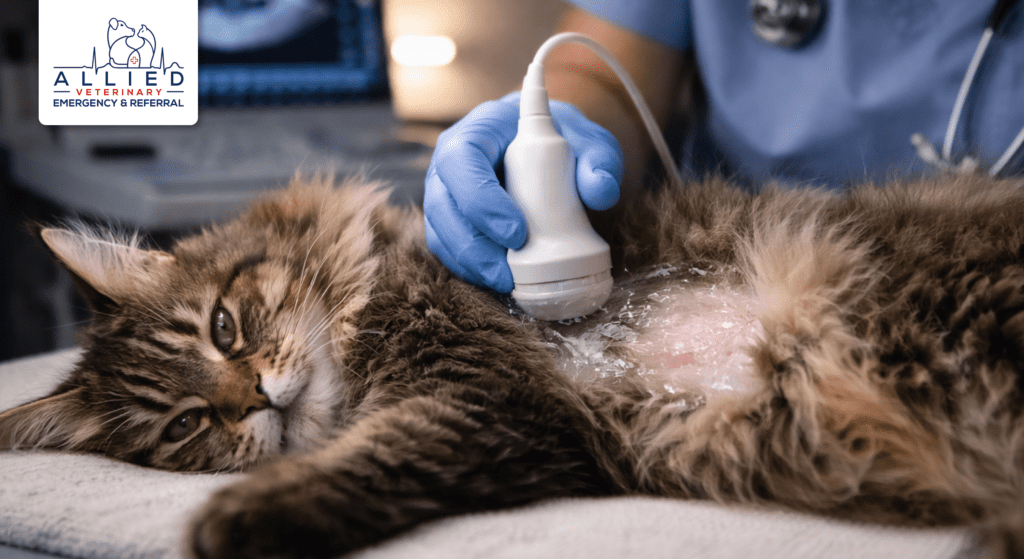
Often, a referral is driven by the need for technology and procedures that are only available at a specialty center. Your pet may need Diagnostic Imaging, like an MRI or CT scan, to get a clear picture of a neurological or internal issue. These tools provide a level of detail far beyond a standard X-ray.
Similarly, some procedures require the refined skills of a board-certified surgeon. Complex orthopedic procedures, delicate soft-tissue surgeries, or neurosurgery are performed in a specialized surgery suite with advanced monitoring and a dedicated team, ensuring the highest level of safety and success.
Navigating the Veterinary Referral Process
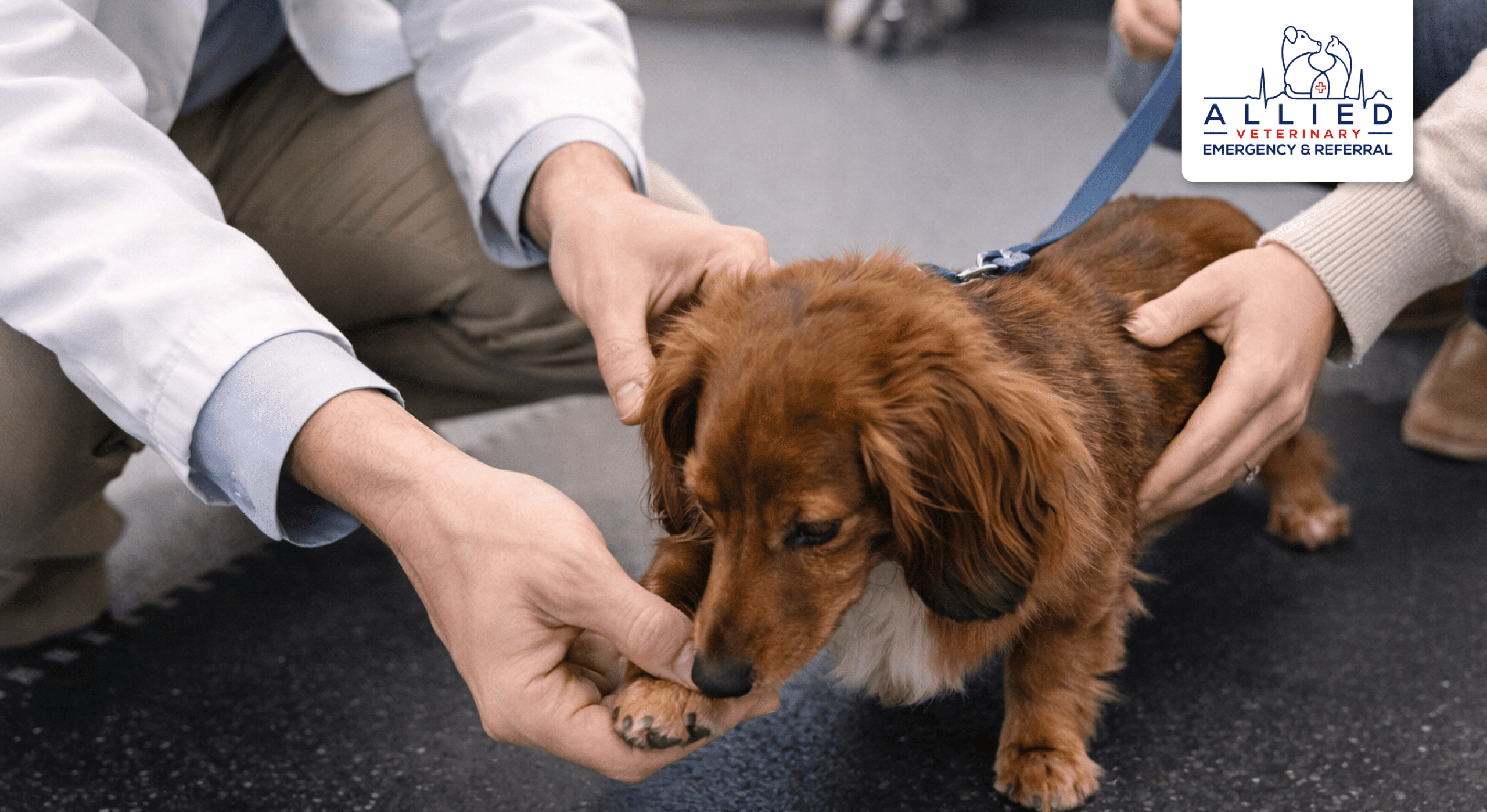
The idea of a referral can feel daunting, but the process is designed to be a seamless and collaborative experience. It begins with a conversation with your primary veterinarian. When they identify a condition that requires specialized expertise, they will recommend a referral to a trusted specialty hospital.
Your veterinarian will then send your pet’s complete medical history, including lab results and radiographs, to the specialist. This ensures the specialist is fully informed before your first consultation. The goal is coordinated care, where your family veterinarian and the specialist work together. As a pet owner, you are a vital part of this team, and resources for Pet Parents are available to help guide you through the process. The specialist will perform their evaluation, recommend a treatment plan, and keep your primary vet updated every step of the way. Your family vet remains the central point of contact for your pet’s overall health, while the specialist manages the specific complex issue.
Specialty vs. General Veterinary Care: What’s the Difference?
Understanding the distinct roles of a general practitioner and a specialist can help you appreciate the value of a referral.
- General Practice Veterinarian: Your primary vet is an expert in a wide breadth of animal health issues. They are your go-to for preventative care, routine surgeries, and managing common illnesses. They have a deep understanding of your pet’s entire health history and are the cornerstone of their lifelong wellness.
- Veterinary Specialist: A specialist has a much narrower but deeper focus. After veterinary school, they dedicate years to understanding the intricate details of a single area, like the heart, nervous system, or cancer treatment. They have access to advanced diagnostic tools and treatments that are not typically available in a general practice setting.
A referral isn’t a hand-off; it’s an expansion of your pet’s healthcare team. This collaborative approach ensures that your pet benefits from both the comprehensive, lifelong knowledge of your family vet and the targeted, in-depth expertise of a board-certified specialist.
Allied Veterinary Emergency and Referral: Your Partner in Advanced Pet Care
At Allied Veterinary Emergency and Referral, we are founded on the principle of invested care. As a locally owned, non-corporate practice, we are free to invest our time, energy, and heart into every relationship we build—with our patients, their families, and our referring veterinary partners. We believe in providing the highest quality of care through a compassionate, human-centered approach. You can learn more about Allied and our unique philosophy of connection and excellence.
Our services extend to pet owners throughout the region, including Minneapolis, Eden Prairie, Rochester, and Eau Claire, WI, with our state-of-the-art specialty services centered in our Brooklyn Park hospital.
Comprehensive Specialty Services Offered
We provide a comprehensive range of specialty services to diagnose and treat the most complex conditions. Our collaborative team ensures your pet receives integrated care tailored to their specific needs. Our board-certified specialists are leaders in their fields, offering expertise in:
- Cardiology: Diagnosing and treating heart and lung diseases.
- Oncology: Providing compassionate and advanced cancer care.
- Surgery: Performing complex orthopedic, soft tissue, and neurologic procedures.
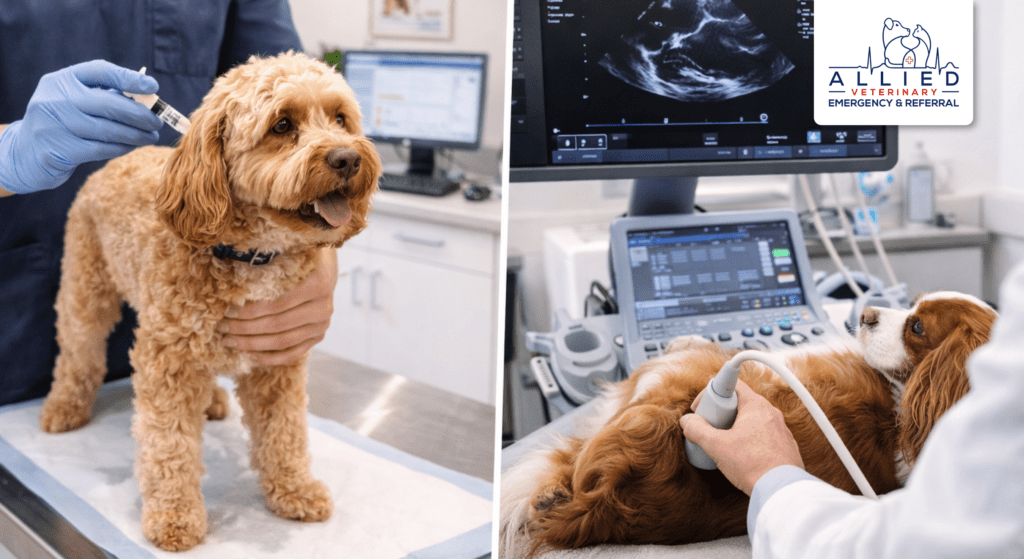
- Diagnostic Imaging: Utilizing MRI, CT, and ultrasound for precise diagnoses.
These are just a few of the many areas of Specialty Care we provide.
Why Brooklyn Park is a Trusted Choice for Specialty Care
Our Brooklyn Park location is a hub for advanced veterinary medicine in the Twin Cities. It is equipped with cutting-edge technology and staffed by an expert team of specialists, technicians, and support staff who are deeply committed to their patients. We have built our practice to be a trusted partner for referring veterinarians and a place of hope and healing for pet owners. Choosing Allied means choosing a team that is personally invested in your pet’s health, comfort, and recovery. Contact us today to schedule a specialty consultation.
Frequently Asked Questions
When should I consider a veterinary specialist for my pet?
You should consider a veterinary specialist when your pet exhibits chronic, worsening, or unusual symptoms that don’t respond to standard treatments, or if your primary veterinarian recommends advanced diagnostics, complex surgery, or specialized long-term management for a complicated condition.
What’s the main difference between my general vet and a specialist vet?
Your general veterinarian provides comprehensive routine care and addresses common health issues, while a veterinary specialist has undergone extensive additional training and board certification in a specific area like cardiology or surgery, offering deeper expertise and specialized equipment for complex cases.
How does the referral process work at Allied Veterinary?
Typically, your primary veterinarian will recommend a referral and share your pet’s medical history with Allied Veterinary. Our team then contacts you to schedule an appointment, ensuring a coordinated approach where your primary vet remains involved in your pet’s overall care.
What types of conditions do veterinary specialists treat?
Veterinary specialists treat a wide range of complex conditions, including chronic internal organ diseases, heart conditions, neurological disorders, persistent skin issues, cancer, and advanced orthopedic or soft tissue surgical needs, often requiring specialized diagnostic tools.
Can I choose Allied Veterinary Emergency and Referral even if my primary vet hasn’t specifically recommended them?
While a referral from your primary vet is often the first step, you can discuss your pet’s needs with your veterinarian and express your preference for Allied Veterinary Emergency and Referral, especially for advanced diagnostics and treatment in areas like Brooklyn Park, MN.