Key Takeaways
- Primary Goals: Oncology care focuses on managing cancer to help pets maintain a high quality of life for as long as possible.
- Common Conditions: Cases often involve lymphoma, mast cell tumors, or bone cancer (osteosarcoma), typically identified by new lumps, weight loss, or lethargy.
- The Diagnostic Path: Doctors identify the specific cancer type and stage through physical exams, blood work, biopsies, and imaging like CT or MRI scans.
- Treatment Options: Depending on the diagnosis, care plans may include tumor removal surgery, chemotherapy, radiation, or immunotherapy.
- Collaborative Care: Allied Veterinary provides specialized oncology in Brooklyn Park, working with your primary vet to support pets across the Twin Cities.
What Does a Veterinary Oncologist Do?
When your beloved pet receives a cancer diagnosis, the path forward can feel uncertain. A veterinary oncologist plays a crucial role in these cases, as these specialists have dedicated years to advanced training focused exclusively on diagnosing and treating animal cancer. These veterinarians have dedicated years to advanced training focused exclusively on diagnosing and treating cancer in animals. Their expertise is centered on one primary goal: to enhance and extend your pet’s quality of life.
A veterinary oncologist evaluates your pet’s overall health, determines the cancer type and stage, and develops an individualized treatment plan. Our specialists work in close collaboration with your primary care veterinarian to provide comprehensive support. This partnership ensures every aspect of your pet’s health is considered, from specialized cancer treatment to general wellness. Their role is to provide medical guidance and treatment options that prioritize your pet’s comfort and happiness.
Common Types of Cancer in Pets
Cancer is unfortunately common in pets, with an estimated one in four dogs developing the disease at some point in their lifetime. The risk increases with age, making it essential for owners of senior pets to be particularly vigilant. Early detection is a critical factor for achieving better outcomes, so understanding what to look for is key.
Some of the most frequently diagnosed cancers in dogs and cats include:
- Lymphoma: A cancer of the lymphocytes (a type of white blood cell) that often appears as swollen lymph nodes.
- Mast Cell Tumors: A common type of skin cancer that can vary greatly in appearance and aggression.
- Osteosarcoma: An aggressive bone cancer, most often affecting the limbs of large and giant breed dogs.
- Hemangiosarcoma: A cancer of the blood vessel walls, which can lead to internal bleeding.
- Mammary Cancer: Tumors in the mammary glands, which are more common in unspayed female pets.
Understanding Malignant Tumors and Abnormal Growths
Discovering a new lump or bump on your pet is often a cause for concern, but not all growths are cancerous. Tumors are classified as either benign or malignant. Benign tumors are non-cancerous. While they may increase in size, they do not invade surrounding tissues or spread to other parts of the body.
Malignant tumors are cancerous and have the ability to invade nearby tissues. In many cases, these cells metastasize by breaking away from the original tumor and traveling through the bloodstream or lymphatic system to form new tumors in organs like the lungs or liver. Distinguishing between these types of growths through proper diagnostics is the first step in determining the correct course of action.
How Cancer Is Diagnosed in Pets
To create an effective treatment plan, our team first needs to identify the exact nature of the cancer. We start with a physical exam to check your pet’s overall health and discuss any changes you’ve noticed in their daily routine. If we find a mass or other symptoms like unexplained weight loss, we move to specific diagnostic tests. These steps help us determine the cancer type and how far it has spread, allowing us to target the treatment accurately.
Advanced Diagnostic Tools: Imaging and Lab Tests
To get a clear picture of what is happening inside your pet, veterinary oncologists rely on a suite of advanced diagnostic tools. These tests provide invaluable information for an accurate diagnosis:
- Blood Work and Urinalysis: These baseline tests evaluate organ function and can sometimes reveal abnormalities that suggest cancer.
- Cytology and Biopsy: For any suspicious lump or tumor, a small sample of cells (cytology) or tissue (biopsy) is examined under a microscope. This is often the definitive way to determine if a growth is malignant and to identify the specific type of cancer.
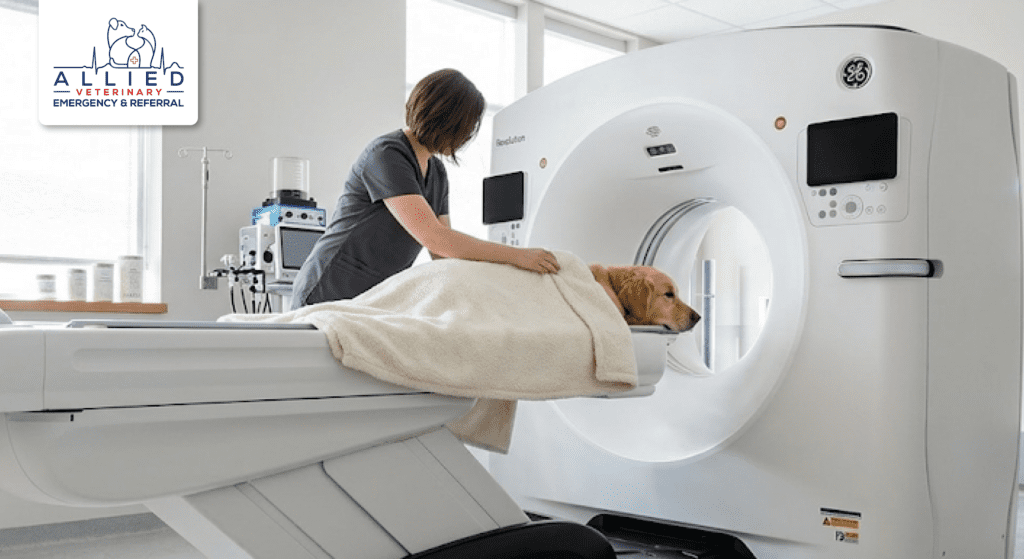
- Advanced Imaging: Technologies like X-rays, ultrasound, and the highly detailed diagnostic imaging of CT (computed tomography) and MRI (magnetic resonance imaging) scans are used to locate tumors, determine their size, and check for evidence of spread to other parts of the body.
Understanding Cancer Staging and Prognosis
After confirming a cancer diagnosis, we begin staging to determine how far the disease has progressed. It typically involves measuring the primary tumor, assessing whether it has spread to nearby lymph nodes, and checking for metastasis in distant organs. These findings help our oncology team provide a more accurate prognosis, which is the expected course and outcome of the disease. An informed prognosis allows you and your veterinary team to set realistic goals and make the best possible decisions for your pet’s care.
Pet Cancer Treatment Options
Thanks to significant advancements in veterinary medicine, there are more effective and compassionate treatment options for pet cancer than ever before. Rather than a standard approach, we tailor care to the specific type and stage of cancer, your pet’s overall health, and your family’s preferences. The primary objective is always to balance fighting the disease with maintaining an excellent quality of life. A dedicated pet oncology specialist in Minnesota will walk you through all available options to create a personalized plan.
Primary Treatment Modalities: Surgery, Chemotherapy, and Radiation
Most cancer treatment plans involve one or more of the following primary modalities:
- Surgery: The physical removal of a localized tumor. In many cases, surgery can be curative, especially if the cancer is caught early and has not spread.
- Chemotherapy: The use of specialized drugs to target and destroy cancer cells throughout the body. Contrary to common fears, pets often tolerate chemotherapy much better than humans, experiencing fewer and less severe side effects due to different dosing strategies.
- Radiation Therapy: This treatment uses high-energy beams to precisely target and shrink or destroy tumors. Advanced techniques like Stereotactic Radiation (SRS/SRT) allow for highly focused treatment, minimizing damage to surrounding healthy tissue.
Supportive and Palliative Care Approaches
Supportive and palliative care work alongside primary treatments to keep your pet comfortable. Newer options like immunotherapy and targeted therapy help the body’s own immune system recognize cancer or focus specifically on the pathways that allow cancer cells to grow.
When a cure is not possible or desired, palliative care becomes the central focus. This approach is dedicated to managing symptoms, controlling pain, and ensuring the pet remains comfortable and happy. The goal of palliative care is to maximize quality of life, allowing pets and their families to cherish their time together. This can involve pain management, nutritional support, and other therapies provided by a critical care team to maintain comfort and dignity.
How Veterinary Oncology Helps Pets Live Longer
Specialized oncology care improves medical outcomes for pets by focusing on early diagnosis and tailored treatment. Through early, accurate diagnosis and sophisticated, tailored treatment plans, oncologists can significantly extend a pet’s survival time while ensuring that time is filled with comfort and joy. The commitment to a compassionate and evidence-based approach means that more pets are not just living longer, but living well, with their quality of life as the top priority. This dedicated care provides families with more cherished moments and precious time with their beloved companions.
Veterinary Oncology Services at Allied Veterinary
At Allied Veterinary Emergency and Referral, we are deeply invested in providing the highest quality veterinary oncology care. As a locally owned and independent practice, we are free from corporate constraints, allowing us to focus entirely on what is best for our patients, clients, and team. Our human-centered approach to medicine means we prioritize collaboration, empathy, and accessible pricing.
Our expert oncology team utilizes state-of-the-art diagnostic capabilities and offers a comprehensive range of treatment options, including advanced surgery, chemotherapy, and radiation therapy. We practice invested care, which is our commitment to a personalized and compassionate experience for every pet and their family. Our specialty care services ensure your pet receives the dedicated expertise they deserve.
Cancer Treatment for Pets in Minneapolis and the Twin Cities
For pet owners seeking a veterinary oncologist in Minnesota, Allied Veterinary Emergency and Referral is your trusted partner. Our dedicated oncology services are conveniently located at our Brooklyn Park facility, proudly serving the communities of Minneapolis and the greater Twin Cities area. Our reach extends throughout Minnesota and into Western Wisconsin, with additional accessible locations in Eden Prairie, Rochester, and Eau Claire.
When facing a cancer diagnosis, you need a team that is not only highly skilled but also deeply compassionate. Should an urgent situation arise, our emergency services are also available to provide immediate support. Contact us today to learn how our invested, human-centered approach to veterinary oncology can help your beloved companion.
Frequently Asked Questions
What are the common signs of cancer in my pet?
Common signs of cancer in pets can include unexplained lumps or bumps that grow, sudden weight loss, changes in appetite or behavior, persistent lethargy, difficulty breathing, or sores that do not heal. Any unusual changes should prompt a veterinary visit for early detection.
How do veterinarians diagnose cancer in pets?
Veterinary oncologists diagnose cancer through a thorough physical exam, medical history, blood and urine tests, cytology, and biopsies. Advanced diagnostic imaging, like X-rays, ultrasound, CT scans, and MRI scans, is also crucial for accurately identifying and staging the cancer.
What types of treatment options are available for pets with cancer?
Pet cancer treatment options are highly individualized and may include surgery to remove tumors, chemotherapy to target cancer cells, radiation therapy (including advanced forms like Stereotactic Radiation), immunotherapy, targeted therapy, and palliative care focused on comfort and quality of life.
What is the role of a veterinary oncologist in my pet’s care?
A veterinary oncologist is a specialist who diagnoses, stages, and creates personalized treatment plans for pets with cancer. They administer specialized therapies, monitor progress, and collaborate with your primary veterinarian to ensure comprehensive, compassionate care aimed at extending and improving your pet’s quality of life.
Where can I find specialized pet cancer treatment in the Minneapolis/Twin Cities area?
Allied Veterinary Emergency and Referral offers expert veterinary oncology services in Brooklyn Park, serving pet owners throughout Minneapolis, the Twin Cities, and wider Minnesota and Western Wisconsin. Our independent clinic provides advanced diagnostics, compassionate treatment, and committed support for pets battling cancer.