
Key Takeaways
- Early detection of cancer in pets significantly improves treatment success rates and extends their quality of life.
- Recognizing subtle signs and symptoms is crucial for prompt veterinary evaluation and intervention.
- Advanced diagnostic tools and routine wellness exams play a vital role in identifying pet cancer at its earliest stages.
- Early intervention expands the range of available treatment options, leading to more effective and less invasive care.
- Allied Veterinary Emergency and Referral offers expert, compassionate oncology services in Brooklyn Park, focused on proactive and personalized care.
The Vital Role of Early Detection in Pet Cancer Care
Finding out a beloved pet has cancer is one of the most challenging moments a pet owner can face. The diagnosis is daunting, but it’s crucial to remember that there is hope, especially with early intervention. Detecting cancer in its initial stages is the single most important factor in successfully managing the disease and preserving your pet’s quality of life. While a cancer diagnosis is never easy, early detection offers the best possible path forward, opening doors to more effective treatments and more precious time with your companion.
As an independent, locally owned provider of invested veterinary care, Allied Veterinary Emergency and Referral understands the deep connection you share with your pet. We are committed to providing compassionate, excellent, and personalized care that honors that bond. This guide explains why early detection is so critical and how our dedicated team supports your pet’s health journey every step of the way.
The Silent Progression: How Cancer Advances Undetected
Cancer begins when cells in the body start to grow uncontrollably, often forming a mass or tumor. In the early stages, this growth can be silent and produce no obvious symptoms. If left undetected, the cancer can progress through local invasion, where it grows into nearby tissues, and metastasis, where cancerous cells break away and travel to other parts of the body to form new tumors. This spread can compromise the function of vital organs and significantly complicate treatment.
Unfortunately, many pets are experts at hiding signs of illness, which means cancer can often reach an advanced stage before a pet owner notices something is wrong. This is why proactive monitoring and understanding the subtle signs are so vital for early pet cancer diagnosis.
Recognizing Subtle Changes in Pet Behavior and Health
As a pet owner, you know your companion’s daily routines and personality better than anyone. Trust your instincts. Often, the first warning signs of cancer are small, subtle changes that are easy to dismiss. Being vigilant for these indicators can lead to a life-saving diagnosis.
Common early warning signs in dogs and cats include:
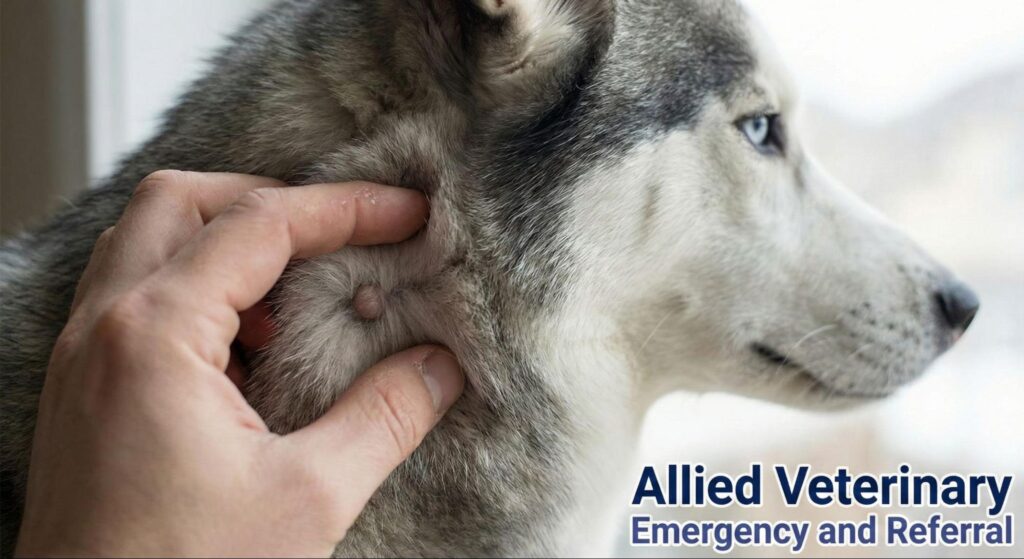
- New Lumps or Bumps: Any new lump or a bump that changes in size or appearance should be evaluated by a veterinarian.
- Unexplained Weight Loss: Losing weight despite a normal appetite can be a sign of an underlying issue.
- Changes in Appetite: A sudden decrease or even a significant increase in appetite warrants a check-up.
- Lethargy or Loss of Stamina: If your pet is less energetic, hesitant to play, or tires easily, it could be a symptom of illness.
- Sores That Don’t Heal: Non-healing wounds can sometimes be an indication of skin cancer.
- Difficulty Eating or Swallowing: This can be a sign of tumors in the mouth or throat.
- Persistent Vomiting or Diarrhea: While common for many reasons, chronic digestive upset should not be ignored.
If you notice any of these signs, seeking a timely evaluation is crucial. Getting your pet checked at an urgent care facility can provide peace of mind and prevent a potential issue from becoming a crisis.
Unlocking Better Outcomes: Benefits of Early Cancer Diagnosis in Pets
The connection between early diagnosis and successful treatment is undeniable. Detecting cancer before it has had a chance to spread is the key to a better prognosis. When a tumor is small and localized, treatments are more likely to be fully effective, and in some cases, curative.
Early diagnosis gives your veterinary team, including specialists in veterinary oncology, a significant advantage in time. This allows for more thorough planning and a proactive approach to care, rather than a reactive one. This not only improves medical outcomes but also eases the emotional and financial strain on families. The benefits of early cancer diagnosis in pets directly translate to more successful, less invasive care and a longer, happier life for your companion.
Expanding Horizons: Early Detection and Treatment Options
An early diagnosis dramatically broadens the scope of available treatment options. When cancer is caught in its initial stages, treatments can be more targeted and often less aggressive. This is a cornerstone of why early cancer treatment matters for pets.
For example, surgical removal of a small, contained tumor can sometimes be a complete cure. Other options that are most effective in the early stages include:
- Surgery: The most common treatment for localized tumors.
- Chemotherapy: Often used to treat cancers that have spread or to shrink tumors before surgery.
- Radiation Therapy: Targets and destroys cancer cells with high-energy rays.
- Immunotherapy: Stimulates the pet’s own immune system to fight cancer cells.
In advanced cases, these options may still be used, but often for palliative care—to manage symptoms—rather than to cure. Early pet oncology intervention gives your pet the best chance at accessing the full range of advanced therapies available in modern veterinary medicine.
Prioritizing Pet Wellbeing: Impact of Early Diagnosis on Quality of Life
A central goal of any cancer treatment plan is to maintain an excellent quality of life. Early diagnosis is fundamental to achieving this. By addressing cancer before it causes significant pain, discomfort, or illness, we can focus on treatments that manage the disease while allowing your pet to continue enjoying their favorite activities.
Timely intervention means symptoms can be managed more effectively, pain can be minimized, and your pet can feel better throughout their treatment journey. This proactive approach helps preserve the precious bond you share and ensures that your time together is filled with comfort, joy, and companionship. At Allied Veterinary, our approach to oncology care is deeply invested in prioritizing your pet’s well-being at every stage.
Proactive Care: Common Ways Cancer is Detected Early in Pets
You don’t have to wait for symptoms to appear to be proactive about your pet’s health. The most powerful tools for early cancer detection are routine wellness exams and advanced diagnostics. Many cancers are found during regular check-ups long before a pet shows any outward signs of being sick.
This preventative approach is the best way to screen and monitor for pet cancer. By partnering with your veterinarian, you can create a comprehensive health plan that gives your pet the best defense against cancer and other serious diseases.
The Role of Routine Veterinary Exams and Advanced Diagnostics
Regular veterinary check-ups are the frontline of defense. During a wellness exam, a veterinarian performs a thorough physical assessment that can reveal subtle abnormalities. Key components include:
- Physical Palpation: Feeling for lumps, bumps, or swollen lymph nodes.
- Blood and Urine Tests: Routine lab work can detect changes in organ function or blood cell counts that may indicate cancer.
- Fine Needle Aspirates (FNA): A quick, minimally invasive procedure to collect cells from a lump for microscopic examination.
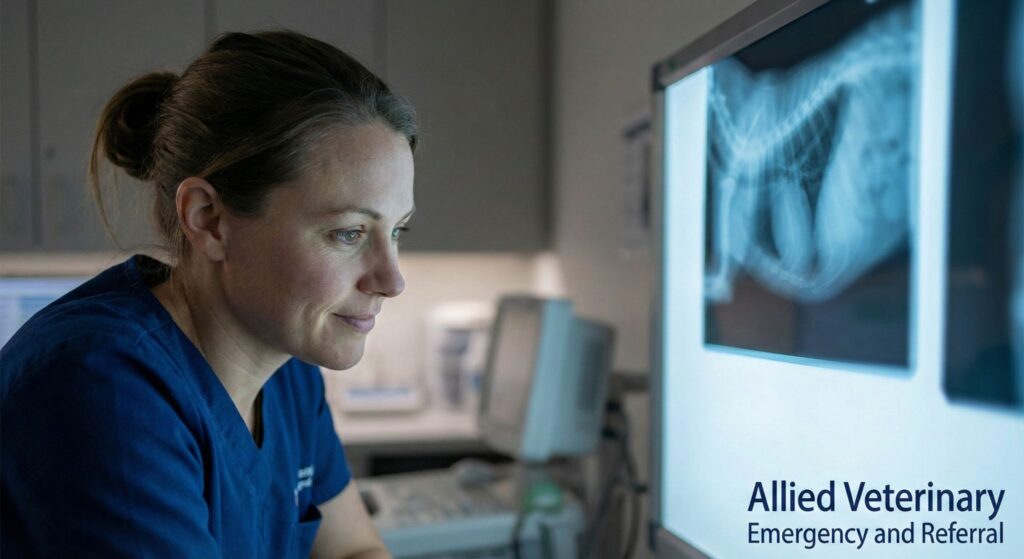
When more information is needed, your veterinarian may recommend advanced diagnostic imaging. Technologies like X-rays, ultrasound, and CT scans provide a detailed look inside the body to identify tumors and determine if cancer has spread.
Allied Veterinary’s Approach to Early Cancer Care in Minnesota and Western Wisconsin
At Allied Veterinary Emergency and Referral, we are deeply invested in the health and happiness of your pet. Our independent, non-corporate structure allows us to focus entirely on what’s best for our patients and their families. We combine compassionate care with medical excellence, offering a comprehensive suite of specialty care and emergency services to meet your pet’s unique needs.
Our oncology team works collaboratively with pet owners and referring veterinarians across Minnesota and Western Wisconsin. With state-of-the-art facilities in Brooklyn Park, and supporting our communities in Minneapolis, Eden Prairie, Rochester, and Eau Claire, we are dedicated to proactive cancer management. We believe in open communication and partnership, ensuring you are empowered to make the best decisions for your beloved companion.
Take Action Today: Secure Your Pet’s Future with Allied Veterinary
The importance of early detection in pet cancer care cannot be overstated. It is the key to more treatment options, better outcomes, and a higher quality of life. If you have noticed any concerning signs in your pet or want to establish a proactive wellness plan, don’t hesitate.
Contact the compassionate experts at Allied Veterinary Emergency and Referral. Our dedicated team is ready to provide the invested care your pet deserves. Whether you need a routine check-up or specialized oncology services, we are your partners in protecting your pet’s future. In a critical situation, our emergency team is always available. Contact us to schedule a consultation at our Brooklyn Park location today. This is the most important step in safeguarding your pet’s health.
FAQs
What are the early signs of cancer in my pet?
Early signs of cancer in pets can be subtle, including new or changing lumps, unexplained weight loss, decreased appetite, lethargy, persistent vomiting or diarrhea, difficulty breathing, non-healing sores, and unusual odors. Any persistent changes in your pet’s behavior or physical condition warrant a veterinary visit.
How does early cancer detection improve my pet’s treatment options?
Detecting cancer early often means the tumor is smaller and localized, allowing for more effective and potentially less invasive treatment options like surgery. It can prevent the cancer from spreading (metastasizing) and often leads to a broader range of therapeutic choices and a better prognosis.
Does early diagnosis lead to a better quality of life for my pet?
Yes, early diagnosis is directly linked to an improved quality of life. Timely intervention allows for proactive management of symptoms, reduces discomfort, and often extends the period your pet can enjoy a good quality of life with their family.
What diagnostic methods are used for early cancer detection in pets?
Veterinarians use a combination of routine physical exams, palpation of lumps and lymph nodes, blood tests, urine tests, fine needle aspirates (FNA), and advanced imaging techniques like X-rays, ultrasounds, and CT scans to detect cancer in its early stages.
Where can I seek expert oncology care for my pet in the Minnesota and Western Wisconsin area?
Allied Veterinary Emergency and Referral offers comprehensive and compassionate oncology services across Minnesota and Western Wisconsin, with a dedicated team at our Brooklyn Park location ready to provide advanced cancer care and early detection evaluations for your beloved pet.