Critical Care
Critical Care
What is Critical Care and how is it different than emergency care?
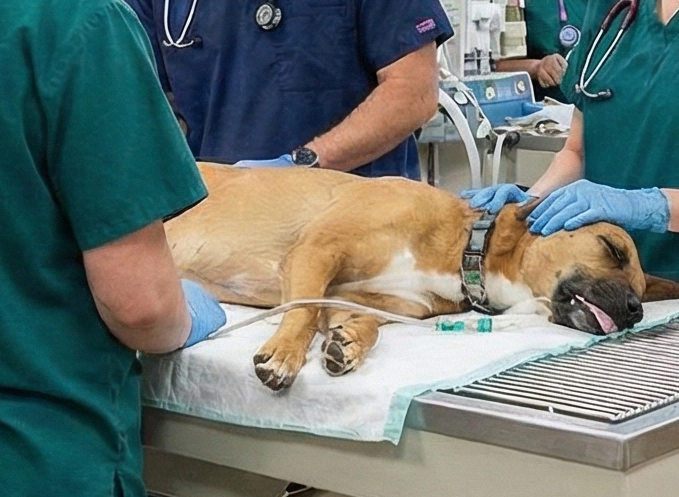
Veterinary critical care focuses on the treatment and stabilization of pets with severe, life threatening conditions. These patients often require constant monitoring, advanced life support, and rapid medical intervention beyond standard emergency care.
Critical care patients may be admitted for hours or days and are supported by a dedicated team trained to respond immediately to changes in their condition.
Emergency Care
Initial assessment and stabilization
Diagnosis of urgent conditions
Short term treatment and triage
Critical Care
Continuous cardiac and respiratory monitoring
Advanced life support and mechanical ventilation
Intensive medical management over extended periods
Frequent reassessment and rapid response to changes

Dr. Leah Richter, DVM
Residency Trained in Emergency and Critical Care
Veterinary critical care doctors and nurses undergo extensive training beyond veterinary school. This includes intensive residency training focused on emergency medicine, critical care, advanced monitoring, and life support therapies.
At Allied, our Critical Care service is led by a doctor who has completed a residency in Emergency and Critical Care, working alongside a highly trained team of emergency and ICU nurses who provide 24/7 bedside care.
Critical Care Services We Offer
Advanced Monitoring and Life Support
Continuous cardiac and respiratory monitoring
Mechanical ventilation and oxygen therapy
Blood pressure and advanced monitoring
Emergency and Complex Medical Care
Severe trauma and shock
Sepsis and systemic infection
Respiratory emergencies
Neurological emergencies
Multi organ dysfunction
Specialized Critical Therapies
Blood and plasma transfusions
Pain management and sedation
Nutritional and fluid support