Key Takeaways
- Veterinarians use a comprehensive approach to diagnose cancer in dogs, combining physical exams, diagnostic imaging, and laboratory tests.
- Early detection of canine cancer is crucial for effective treatment and improved outcomes.
- Diagnostic tests include blood work, cytology, biopsies, X-rays, ultrasounds, and advanced imaging like CT scans and MRIs.
- Cancer staging helps determine the extent of the disease and guides treatment planning.
- Allied Veterinary Emergency and Referral provides advanced diagnostic and oncology care with a compassionate, invested approach for pet owners in Minnesota and Western Wisconsin, including our Brooklyn Park location.
Why Early and Accurate Cancer Diagnosis is Critical for Your Dog
Hearing the word “cancer” in relation to your beloved dog is a deeply stressful and emotional experience. As a locally and privately owned practice, we understand that pets are family. That’s why we are so invested in providing not just answers, but also clear, compassionate guidance through every step. An early and, most importantly, accurate diagnosis is the cornerstone of effective treatment. Identifying cancer in its initial stages often provides more treatment options and can significantly improve your dog’s prognosis and quality of life.
A precise diagnosis does more than just confirm the presence of cancer; it identifies the specific type, its aggressiveness, and whether it has spread. This detailed information is vital for creating a tailored treatment plan. At Allied Veterinary, our commitment is to achieve the best medical outcomes, and that journey begins with a meticulous diagnostic process. We partner with you to navigate this challenging time, ensuring you have the information you need to make empowered decisions for your dog’s health. Trust is earned through clarity and care, and our Allied Veterinary Oncology Services are designed to provide both.
Common Signs That May Prompt a Cancer Investigation
Cancer can manifest in many ways, and the signs can often be subtle or mistaken for other, less serious conditions. Being vigilant about changes in your dog’s health and behavior is a key part of early detection. While many of these symptoms can have other causes, any persistent or unusual changes warrant a conversation with your veterinarian. Some symptoms may be severe enough to require immediate attention from our Emergency Services.
Key Signs to Watch For
Paying close attention to your dog can help you spot potential warning signs early. Be mindful of the following physical and behavioral changes:
- Lumps, Bumps, or Swelling: Any new or changing mass on or under the skin should be evaluated.
- Unexplained Weight Loss: A noticeable drop in weight without a change in diet is a significant red flag.
- Changes in Appetite: A sudden loss of interest in food or difficulty eating or swallowing.
- Lethargy or Depression: A marked decrease in energy, playfulness, or interaction.
- Sores That Don’t Heal: Wounds or sores that persist for an extended period.
- Difficulty Breathing, Urinating, or Defecating: Straining or changes in bathroom habits.
- Persistent Lameness or Stiffness: Limping or soreness that doesn’t resolve.
- Bleeding or Discharge: Any abnormal bleeding or discharge from any opening.
The Initial Veterinary Assessment: Physical Exam and Medical History
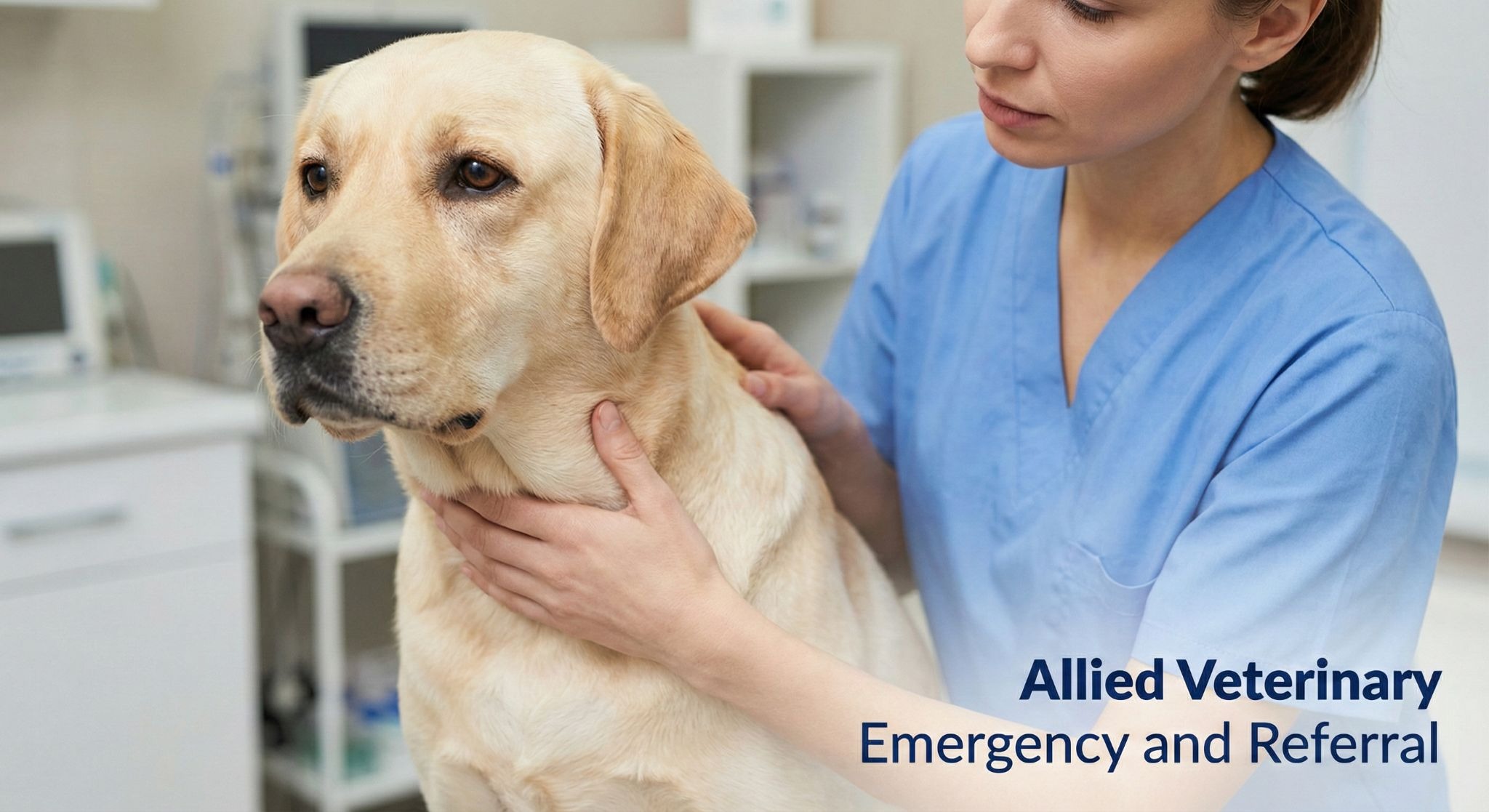
When you bring your dog in with concerns about potential cancer, the diagnostic process begins with a comprehensive physical examination and a detailed discussion about your dog’s medical history. This foundational step is a collaborative effort between you and your veterinarian. Our team at Allied Veterinary believes in this partnership; you know your dog better than anyone, and the information you provide is invaluable.
During the physical exam, the veterinarian will carefully check your dog from nose to tail, feeling for any lumps, assessing lymph nodes for swelling, listening to the heart and lungs, and checking for any pain or abnormalities. This hands-on assessment provides critical initial clues. Following this, we will ask you detailed questions about the symptoms you’ve observed, your dog’s lifestyle, diet, and any previous health issues. This complete picture helps us determine the most logical and effective next steps in the diagnostic journey, whether that involves routine screening or more advanced Specialty Care Services.

Uncovering Clues: Diagnostic Imaging for Canine Cancer
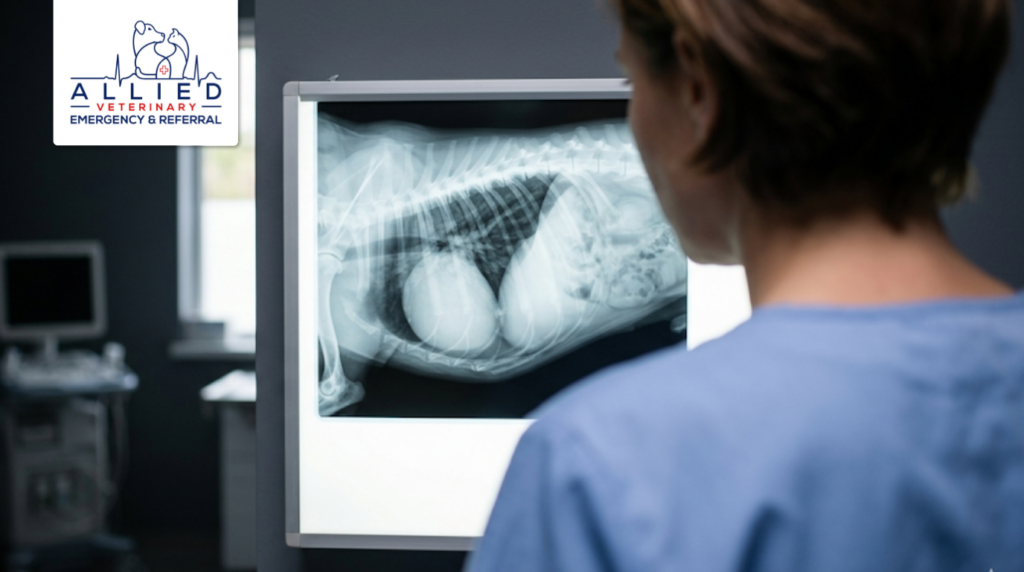
Often, a physical exam isn’t enough to see what’s happening inside your dog’s body. This is where diagnostic imaging becomes essential. These non-invasive tools allow veterinarians to visualize internal organs, bones, and tissues to locate masses, assess their size, and check for signs of spread (metastasis). At Allied Veterinary locations, including Brooklyn Park, we utilize a range of Diagnostic Imaging Services to get a clear picture of your dog’s health.
Commonly used imaging techniques include:
- X-rays (Radiographs): X-rays are excellent for evaluating bones and the chest cavity. They can quickly identify tumors in the lungs or on bones.
- Ultrasound: This technique uses sound waves to create real-time images of soft tissues and organs, making it ideal for examining the abdomen to find tumors on the spleen, liver, kidneys, or other organs.
Advanced Imaging Techniques
For more complex cases, we may recommend advanced imaging to provide a more detailed, three-dimensional view. A CT (Computed Tomography) scan uses a series of X-ray images to create cross-sectional views, offering exceptional detail of the chest, abdomen, or head. An MRI (Magnetic Resonance Imaging) scan uses magnetic fields and radio waves to produce highly detailed images of soft tissues, and is particularly useful for assessing brain and spinal cord tumors. These advanced tools are critical for precise surgical planning and radiation therapy.
Laboratory Testing: Blood Work, Cytology, and Biopsies
While imaging can locate a suspected tumor, laboratory tests are required to confirm a diagnosis and understand the specific type of cancer. These tests provide a wealth of information about your dog’s overall health and the nature of the cells in question. The process usually starts with blood work, including a Complete Blood Count (CBC) and a chemistry panel. These tests assess organ function and can reveal abnormalities, such as anemia or high calcium levels, that are sometimes associated with cancer.
The next step is often cytology, performed through a fine needle aspirate (FNA). This quick, minimally invasive procedure involves using a small needle to collect a sample of cells from a lump or enlarged lymph node. While not always definitive, it can often differentiate between inflammation and a tumor, and sometimes suggest the type of cancer present. For a conclusive diagnosis, a biopsy is the gold standard. This involves surgically removing a small piece of the tumor tissue, which is then sent for histopathology.
The Role of Veterinary Pathology
The tissue sample from a biopsy is sent to a veterinary pathologist—a specialist in diagnosing diseases by examining cells and tissues. The pathologist performs a detailed analysis called histopathology to determine the exact type of cancer, its grade (how aggressive it is), and whether the tumor was completely removed. This detailed report is fundamental to the work our veterinary specialists do. It guides all subsequent treatment decisions, from chemotherapy protocols to surgical plans, ensuring the care is precisely tailored to your dog’s specific condition.

Understanding Cancer Staging and Grading in Dogs
Once a cancer diagnosis is confirmed through a biopsy, two of the most important next steps are staging and grading. While they may sound similar, they provide different but equally critical information for planning treatment and understanding your dog’s prognosis. Grading is determined by the pathologist and describes how aggressive the tumor cells appear under the microscope. A low-grade tumor is typically slow-growing and less likely to spread, while a high-grade tumor is more aggressive.
Staging, on the other hand, determines the extent of the cancer within the body. It answers the question, “Where is the cancer?” The staging process usually involves a combination of a physical exam, blood work, analysis of nearby lymph nodes, and imaging tests like chest X-rays and an abdominal ultrasound to check for metastasis. This comprehensive evaluation helps your veterinary oncologist understand if the cancer is localized to one spot or has spread to other parts of the body. This information is crucial for selecting the most effective treatment protocol for your dog’s unique situation.
Your Partner in Care: Allied Veterinary’s Advanced Cancer Diagnostics in Brooklyn Park
Navigating a potential cancer diagnosis is one of the most difficult journeys a pet owner can face. At Allied Veterinary Emergency and Referral, we are deeply invested in being your partner in care. Our team understands the blend of technical expertise and genuine compassion required to support you and your pet. We are proud to be a locally and privately owned practice. This allows us to focus entirely on providing the highest quality of care.
We offer comprehensive cancer diagnostics at our Brooklyn Park location. This ranges from initial screenings and advanced imaging to definitive biopsies and staging. Our “We are Invested” promise means we are committed to clear communication and accessible pricing. We take the time to explain every test. We discuss all possible outcomes to help you create a plan that aligns with your goals for your beloved companion. If you have concerns about your pet’s health or need a second opinion, we are here to help. Contact us to provide the answers and support you need.
Frequently Asked Questions About Dog Cancer Diagnosis
What are the first steps a vet takes if they suspect my dog has cancer?
The initial steps typically involve a thorough physical examination, gathering a detailed medical history, and often recommending baseline blood work or other initial diagnostic tests to assess overall health and identify any abnormalities.
How accurate are blood tests for diagnosing cancer in dogs?
While blood tests can provide important clues about your dog’s health and may indicate the presence of a disease process, they generally cannot definitively diagnose cancer on their own. They are often used as a screening tool or to assess organ function, with further specific tests like biopsies needed for confirmation.
What’s the difference between cytology and a biopsy for dog cancer diagnosis?
Cytology involves examining cells obtained via a fine needle aspirate (FNA) under a microscope, providing a rapid, less invasive initial assessment. A biopsy involves removing a larger tissue sample for detailed histopathological examination, which is considered the gold standard for a definitive cancer diagnosis and to determine its type and aggressiveness.
How long does it typically take to get a definitive cancer diagnosis for my dog?
The timeline for a definitive diagnosis can vary depending on the complexity of the case and the specific tests required. Initial screenings and cytology might provide preliminary results within a day or two, while specialized imaging or biopsy results from a veterinary pathologist can take several days to a week or more.
What is cancer staging, and why is it important for my dog?
Cancer staging describes the extent or severity of your dog’s cancer, including the size of the tumor, whether it has spread to nearby lymph nodes, and if it has metastasized to distant organs. Staging is crucial because it helps your veterinary oncologist plan the most appropriate treatment and provides an estimate of your dog’s prognosis.