Key Takeaways
- Mosquitoes are the sole transmitters: Heartworm disease in cats is spread entirely by infected mosquitoes, making year-round prevention vital even for strictly indoor felines.
- Symptoms often mimic other illnesses: Persistent coughing, asthma-like attacks, and vomiting are key indicators, frequently mistaken for other respiratory issues.
- Prevention is the only “cure”: Because there is no approved medical treatment to safely kill adult heartworms in cats, monthly preventatives are essential.
- Specialized care makes a difference: Managing a heartworm-positive cat requires advanced diagnostics and invested, non-corporate veterinary care to ensure the highest quality of life.
While many pet owners associate heartworms primarily with dogs, feline heartworm disease is a significant and often misunderstood threat to cats. Cats are atypical hosts for these parasites. This biological reality means the worms often do not survive to adulthood in a feline system. However, the immature worms cause severe and irreversible damage to a cat’s lungs and circulatory system.
At Allied Veterinary Emergency and Referral, we provide the clinical clarity needed to manage these complex cases through precise diagnostic data. We replace the anxiety of a potential diagnosis with a clear medical plan. The nature of this disease is uniquely dangerous because it is often silent until it reaches a critical stage. Many cats show no outward signs until they experience a sudden and severe respiratory event.
Because we are an independent practice, our medical team has the authority to act quickly. We prioritize the use of advanced technology to identify subtle markers of infection that a standard physical exam might miss. Understanding how this condition progresses is the first step in protecting your pet.
What is Feline Heartworm Disease and How Do Cats Get It?
A single bite from an infected mosquito is the only requirement for transmission. When a mosquito bites an infected animal, it picks up microscopic baby worms. These parasites develop into infective larvae over several weeks within the mosquito.
The transmission process follows a specific cycle:
- Initial Bite: The mosquito bites a cat, and the larvae enter the bloodstream through the wound.
- Migration: The larvae move through the tissues and eventually reach the heart and lungs.
- Inflammatory Response: The feline immune system mounts a massive reaction as it attempts to destroy these invading parasites.
- Tissue Damage: This reaction causes significant damage to the respiratory tissues even if the worms never reach maturity.
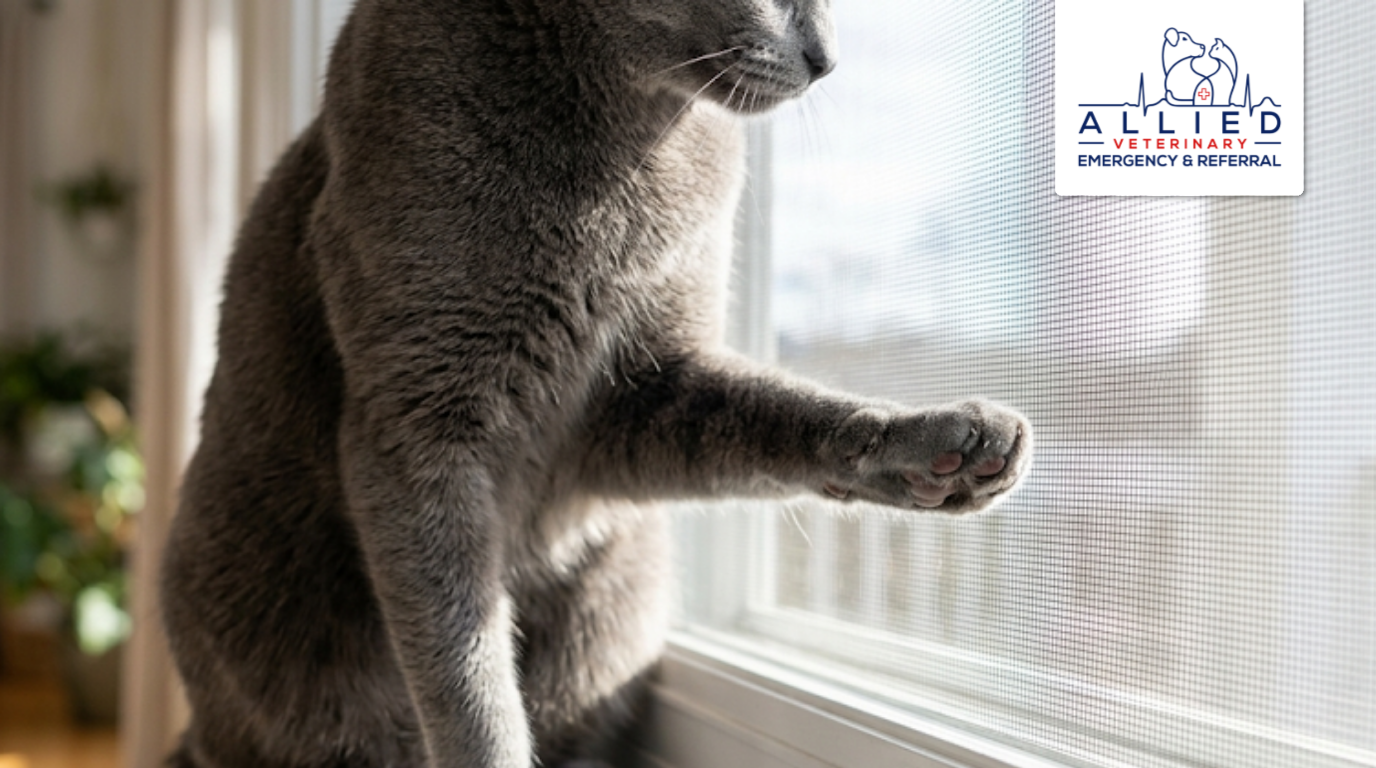
Both indoor and outdoor cats are at risk. Mosquitoes easily enter a home through small gaps in windows, vents, or doors. Many pet owners believe staying indoors provides total protection, but studies show a significant percentage of heartworm-positive cats are kept exclusively inside. Our team provides the immediate medical assistance required when an infection leads to sudden respiratory distress.
What Are the Most Common Symptoms of Heartworms in Cats?
The clinical signs of heartworms in cats can be confusing. They often mimic other common respiratory issues like asthma or bronchitis. Identifying cat heartworm symptoms early is difficult because they may be intermittent.
Common symptoms include:
- Respiratory Distress: Persistent coughing, wheezing, and labored breathing.
- Gastrointestinal Issues: Sudden vomiting that is unrelated to food.
- Physical Decline: A loss of appetite and unexpected weight loss.
- Neurological Signs: Occasional stumbling or seizures if larvae migrate to the brain.
- Acute Crisis: Sudden collapse or respiratory failure without prior warning.
If you notice your pet struggling for air or acting lethargic, seek a professional evaluation immediately. We use data-driven assessments to distinguish heartworm issues from other cardiac or pulmonary conditions. Our facility is prepared to handle these high-stakes cases 24 hours a day to ensure your pet has the best chance at a successful recovery.
Heartworm Associated Respiratory Disease (HARD)
Veterinarians refer to the early stage of the disease as Heartworm Associated Respiratory Disease, or HARD. This condition occurs when immature worms reach the small arteries of the lungs and trigger an intense inflammatory response. This stage often happens before the worms even reach adulthood.
The symptoms of HARD are frequently misdiagnosed as asthma because the clinical presentation is nearly identical on a standard exam. Both conditions involve coughing and wheezing caused by narrowed airways. Our facility utilizes advanced imaging services to look for specific arterial changes. Identifying the root cause of the respiratory distress allows us to implement the correct anti-inflammatory protocols to protect the lung tissue from permanent scarring.
How Is Feline Heartworm Disease Diagnosed and Treated?
Identifying heartworms in feline patients requires a sophisticated approach because traditional testing methods are often unreliable. Standard antigen blood tests frequently yield false-negative results in cats due to low worm burdens. To gain a complete clinical picture, our team utilizes a combination of diagnostic strategies.
Antibody Testing
We use this to determine if the feline immune system has been exposed to heartworm larvae at any stage of development. This provides a history of exposure that an antigen test might miss. It is an essential tool for identifying cats that have been at risk, even if the parasites did not reach full maturity.
Digital Radiology
This imaging allows our specialists to identify the inflammation and structural changes in the pulmonary arteries that are characteristic of the disease. It helps us assess the severity of the damage to the lung tissue and visualize the impact on the overall respiratory system.
High Definition Echocardiography
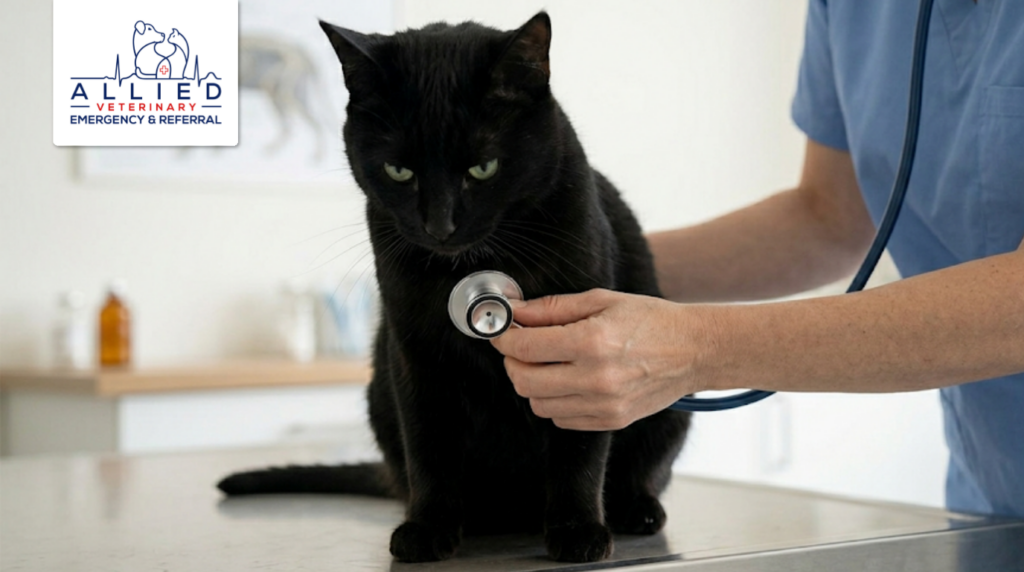
By using advanced ultrasound technology, we can often physically visualize the parasites within the heart or pulmonary vessels. This provides the definitive proof needed to move forward with a medical management plan. It is a critical component of our cat cardiology services.
The Clinical Reality of Treating Heartworm in Cats
The process of treating heartworm in cats is uniquely complicated due to the lack of an FDA-approved adulticide. This absence of a direct cure means our medical team must focus on the following critical factors.
- Toxicity Risks: The medications used to eliminate adult worms in dogs are highly toxic to felines. Using these treatments in a cat can lead to sudden and fatal complications.
- The Danger of Worm Death: When a heartworm dies naturally or through treatment, it triggers a massive inflammatory event. This can cause a life-threatening pulmonary embolism or a shock reaction.
- Constant Professional Oversight: These risks make management extremely delicate. Our emergency vet for cats team provides the constant monitoring needed to catch these shifts before they become fatal.
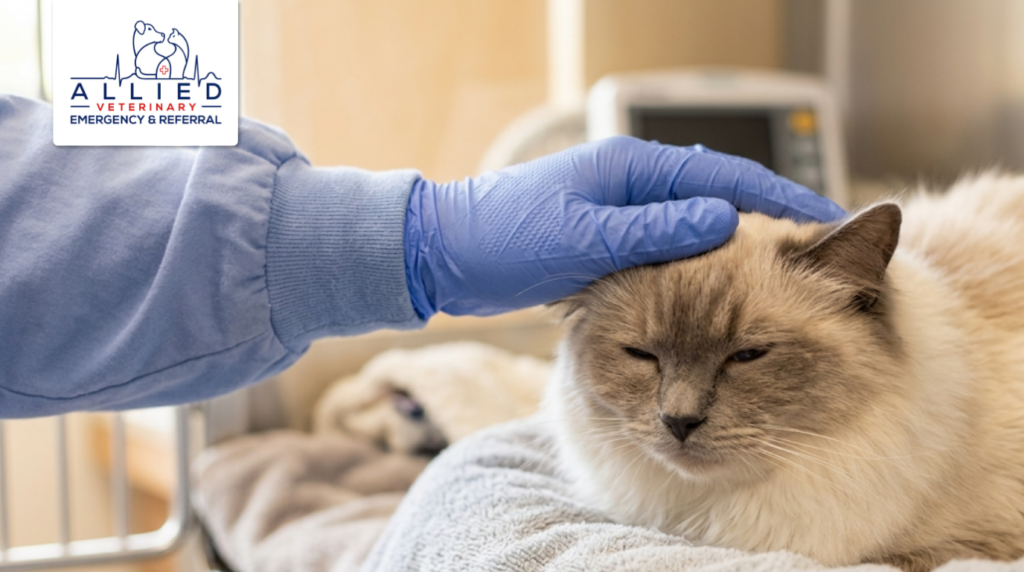
- Stabilization and Support: We focus on stabilizing the respiratory system and reducing the intense inflammation caused by the parasites. We use specialized corticosteroids and oxygen therapy to support the lungs during the most dangerous phases.
- Clinical Freedom: Our independent status ensures that our doctors have the freedom to adjust these protocols in real time. We make decisions based on the specific response of the patient rather than following a distant institutional checklist.
We utilize specialized cardiac imaging and continuous critical care monitoring to manage these high-stakes cases with precision. This data-driven approach is a core part of our commitment to providing the highest level of care for the cats in our community.
What Are the Best Heartworm Prevention Methods for Cats?
Because there is no safe way to clear an active infection, feline heartworm prevention is the only effective way to protect your cat. Modern preventatives are easy to administer and provide a reliable shield against larvae. These medications work by eliminating the parasites before they have a chance to migrate to the heart and cause permanent damage.
Maintaining a consistent prevention schedule is a simple step that prevents the need for complex medical interventions. Our doctors work closely with local family veterinarians to ensure every pet has a clear protection plan. We act as a specialized extension of your primary clinic to help manage the most difficult aspects of respiratory health.
When Should You Seek an Emergency Vet for Your Cat?
Managing an active heartworm infection in a cat requires more than just a standard exam room. Because there is no direct cure for the adult parasites, the safety of your pet depends entirely on the quality of the supportive environment. At Allied Veterinary Emergency and Referral, we provide a high-level medical infrastructure designed to manage the unpredictable nature of this disease.
Our facility is equipped with specialized features that a general practice may not maintain for around-the-clock use.
- High Flow Oxygen Therapy: Cats in respiratory distress require immediate and consistent oxygen support. We utilize dedicated oxygen cages that allow us to regulate the environment without causing additional stress to the patient.
- Continuous Critical Care Monitoring: A heartworm-positive cat can experience a sudden pulmonary embolism at any time. Our nursing team provides constant oversight twenty-four hours a day to react to these shifts before they become fatal.
- Immediate Diagnostic Access: We maintain on-site high-definition imaging and laboratory tools. This allows our doctors to monitor the inflammatory levels in the lungs in real time and adjust medications as the clinical situation evolves.
- Expert Nursing Support: Our staff is trained in the specific nuances of cat cardiology. We understand the delicate balance required to treat a cat that is struggling to breathe while avoiding the stress that can trigger a cardiac event.
You can learn more about our mission and facility to see how we prioritize these technical capabilities for our patients. By focusing on reinvesting in our technology and our people, we ensure that our diagnostic and stabilization services remain at the leading edge of veterinary medicine.
What Should I Do If I Suspect My Pet Has Heart Disease?
If you notice your cat is coughing or breathing faster than normal, observe their resting respiratory rate. A healthy cat should take fewer than thirty breaths per minute while sleeping. If you see your cat’s sides moving rapidly or they are using their stomach to pull in air, this is an immediate medical emergency.
Do not wait for symptoms to resolve. Heartworm-related respiratory distress can escalate into a total blockage of the pulmonary arteries within minutes. When you arrive, provide our team with a history of your cat’s preventative medications. We use this information to prioritize the correct diagnostic tests. Our goal is to provide a definitive answer and a stabilization plan as quickly as possible.
Partner with a Locally Invested Team for Your Cat’s Recovery
Navigating a heartworm diagnosis requires a medical team that values transparency and technical excellence above all else. Our locally invested practice offers the specialized infrastructure needed to stabilize cats in respiratory distress while prioritizing the specific medical needs of each individual patient. We combine our advanced cardiac tools with an empathetic, human-centered approach to help your pet move from a state of crisis toward a stable recovery plan.
For those seeking immediate veterinary support near Minnesota, our doors are open around the clock to provide rapid diagnostics and stabilization. We are ready to act as your emergency vet for cats, guiding you through every step of the process with medical expertise and clear communication.
Frequently Asked Questions
Can indoor cats get heartworm disease?
Yes, indoor cats can contract heartworm disease if an infected mosquito enters the home, making year-round prevention essential.
Is there a cure for heartworm disease in cats?
Currently, there is no approved medication to safely kill adult heartworms in cats, so treatment focuses on managing symptoms and providing supportive care.
How long do heartworms live in a cat?
Heartworms typically live for 2 to 4 years in a cat, which is shorter than in dogs, but they can still cause severe internal damage.
What is HARD in cats?
HARD stands for Heartworm Associated Respiratory Disease, a severe lung condition caused by the inflammatory response to immature heartworms in the feline pulmonary system.
Where can I find emergency care for a cat with respiratory distress in Minnesota?
Allied Veterinary Emergency and Referral provides locally-owned, expert emergency and specialty care at locations including Brooklyn Park and Eden Prairie.