Key Takeaways
- Collaborative Care: A specialist referral is a proactive step, and we work seamlessly with your primary veterinarian to ensure continuity of care.
- Painless Diagnostics: Cardiac evaluations rely on non-invasive, fear-free tests like echocardiograms and ECGs to accurately assess your dog’s heart health.
- Transparent Communication: You will receive clear, jargon-free explanations of your dog’s condition and a customized, accessible treatment plan.
- Independent Excellence: As a locally owned practice, we prioritize your pet’s well-being and your peace of mind over corporate shareholder expectations.
Learning that your dog has a potential heart issue is a heavy moment for any pet owner. If your primary veterinarian detects a dog heart murmur during a routine checkup or you notice your pet slowing down, the next step often involves a specialized evaluation. At Allied Veterinary Emergency and Referral, we believe that clinical clarity is the best remedy for the anxiety that follows a cardiac concern. A canine cardiology consultation is designed to replace guesswork with data, providing a detailed view of your pet’s heart health through modern technology and expert observation.
We approach every consultation with a focus on both technical precision and emotional support. Because we are an independent practice, our team has the clinical freedom to spend the necessary time with you and your pet to ensure every question is answered. We do not operate on a corporate assembly line where patients are rushed through. Instead, we prioritize a human-centered experience where your pet’s comfort and your understanding of the medical situation are our primary goals. By the end of the initial visit, our objective is for you to have a clear, data-backed plan for managing your dog’s cardiac health.
Why Has My Dog Been Referred to a Veterinary Cardiologist?
A referral to a veterinary cardiologist usually happens when a family veterinarian hears an abnormality during a physical exam or sees an enlarged heart on a radiograph. While a general practitioner is highly skilled in broad pet health, they often lack the specialized equipment and deep training required to diagnose the specific type and severity of heart disease. A specialist has dedicated years to the study of cardiovascular health, allowing them to distinguish between benign murmurs and life-threatening structural changes.
Our specialists use high-definition tools to look at the heart in ways that are not possible in a standard exam room. By moving from a general assessment to a specialized one, we can determine if your dog requires medication immediately or if they can be monitored safely over time. This specialized oversight is particularly important for breeds predisposed to certain conditions, such as Cavalier King Charles Spaniels with mitral valve disease or Doberman Pinschers with dilated cardiomyopathy. Our goal is to provide a definitive answer so you no longer have to worry about the “what ifs” regarding your pet’s longevity.
How Should I Prepare for a Canine Cardiology Appointment?
Preparation is a key part of a successful veterinary cardiology appointment. To help us gain the most accurate clinical picture, please bring a complete list of your pet’s current medications, including dosages and frequency. If your dog has been coughing or experiencing fainting spells, try to capture a video of the event on your phone. Seeing the physical manifestation of the symptom is often more helpful than a verbal description because it allows the dog heart specialist to see the posture and duration of the event.
Most cardiology appointments do not require your pet to fast, but we recommend checking with our staff when you schedule. You should bring any recent X-rays or blood work results from your primary veterinarian if they have not already been sent to us. Arriving a few minutes early helps your dog acclimate to the environment before the exam begins. Keeping your pet calm is our priority, so feel free to bring their favorite blanket or treat to help them settle in as we gather the necessary history and baseline vitals.
Gathering Essential Medical Records
Beyond current medications, we find it helpful to review any previous cardiac history or records of related conditions like respiratory issues or kidney disease. This creates a holistic view of your dog’s health rather than looking at the heart in isolation. If you use a specific heartworm preventative, please have that information ready as well. These details allow us to move straight into the diagnostic phase without delay, ensuring we make the most of our time together.

What Diagnostic Tests Happen During a Dog Cardiology Consultation?
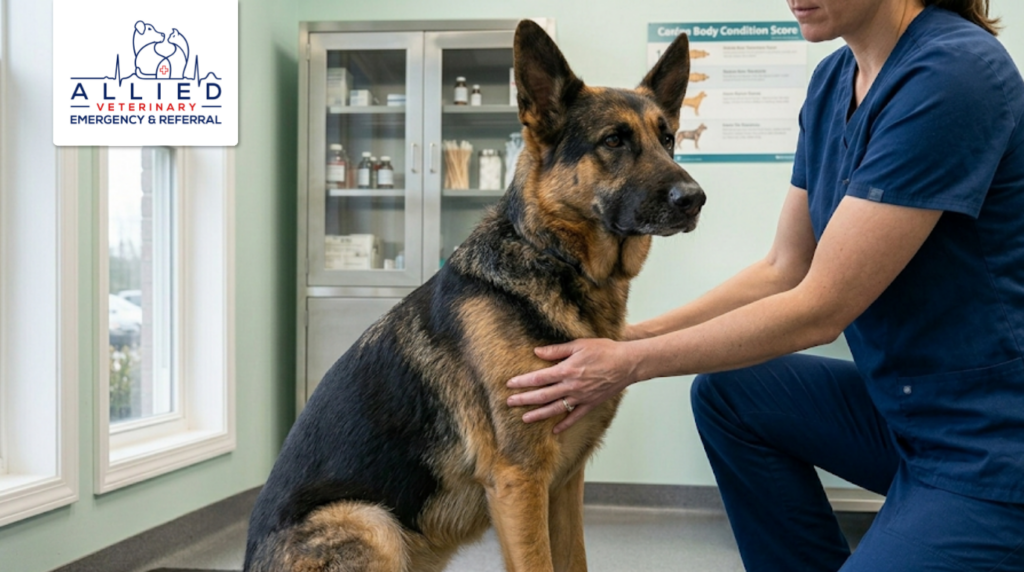
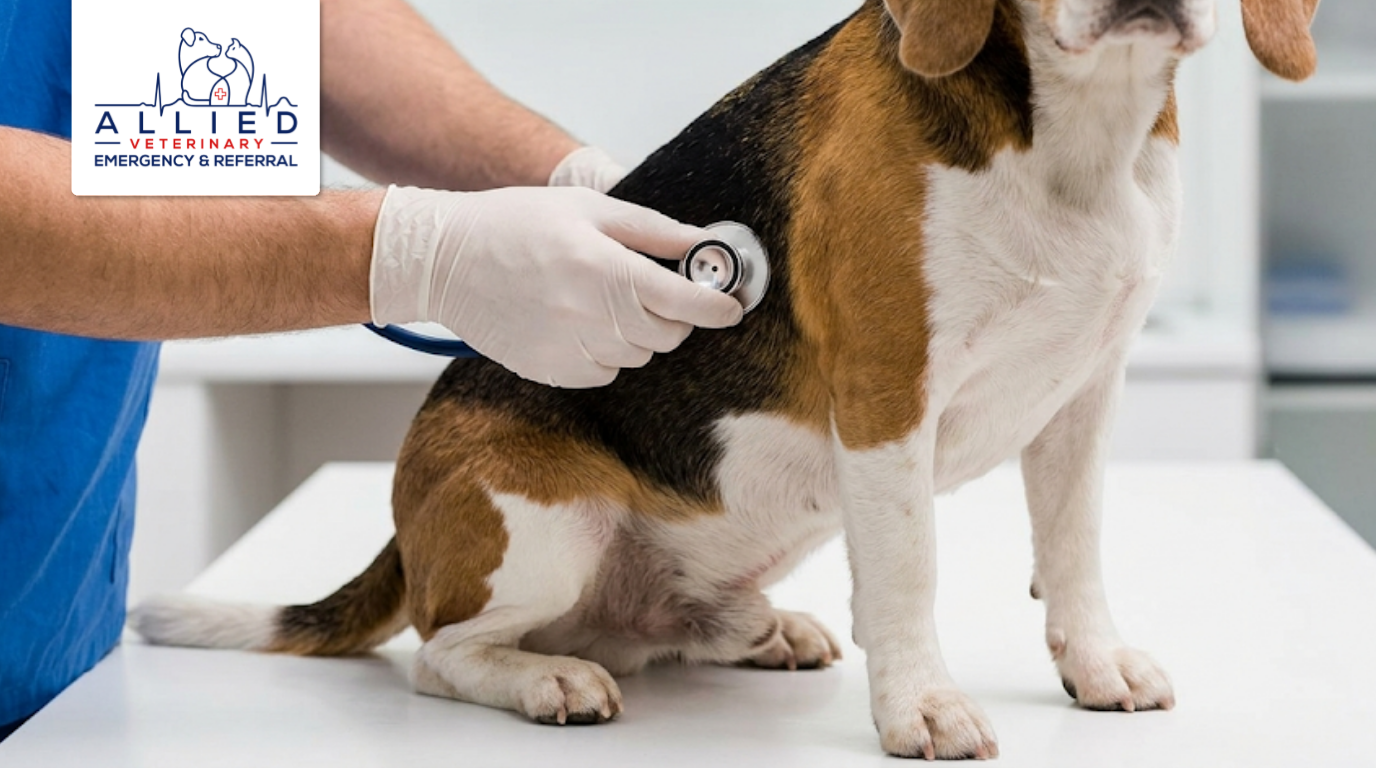
The diagnostic phase is where we gather the data needed to create a treatment plan. After a thorough physical examination, where we listen to heart sounds and assess lung clarity, we move into targeted testing. We utilize a suite of non-invasive tools to gain a detailed map of your dog’s heart. These procedures are typically performed while your pet is awake, as we find that most dogs remain calm with gentle handling and a quiet environment.
Our facility is equipped with tools that allow us to see the internal structures of the heart with incredible precision. This technical infrastructure is a core part of our commitment to excellence. We do not rely on outdated methods and instead invest in the same level of technology used in human hospitals. This ensures that every measurement we take is accurate, which is essential for determining the correct medication dosages and predicting how canine heart disease will progress over time. We often integrate diagnostic imaging results from several tests to reach a definitive conclusion.
Veterinary Echocardiograms (Ultrasounds)
The foundational diagnostic tool in dog heart health is the echocardiogram. This is a high-definition ultrasound of the heart that allows us to see the organ in motion. Unlike a standard X-ray, an echocardiogram shows us the thickness of the heart walls, the size of the chambers, and the function of the valves. We can watch the blood flow in real-time using Doppler technology to identify exactly where a leak or blockage might be occurring. This level of detail is essential for differentiating between various types of structural heart issues.
By measuring the efficiency of the heart’s contraction, a pet echocardiogram helps us determine if the heart is pumping enough blood to meet the body’s needs. We also look for signs of pressure changes that could lead to fluid buildup in the lungs. This test is completely non-invasive and does not involve radiation. Most pets find the process relaxing, as it involves lying on a soft table while a technician gently applies the ultrasound probe to the chest area. The data we collect here is the most important factor in deciding which medications will best support your dog’s heart.
Electrocardiograms (ECG/EKG)
While the echocardiogram shows us the structure, the veterinary ECG shows us the electrical wiring of the heart. If your dog has an irregular heartbeat or an arrhythmia, an ECG is the only way to pinpoint the exact nature of the electrical disturbance. We place small sensors on the skin to record the electrical impulses that trigger each heartbeat. This test is completely painless and provides a tracing that our specialists interpret to check for electrical delays or abnormal rhythms that could cause fainting or sudden weakness.
In many cases, an ECG is the only way to identify silent arrhythmias that could lead to sudden cardiac collapse. We use this information to determine if your pet needs anti-arrhythmic medication or if more intensive monitoring is required. Understanding the electrical health of the heart is just as important as understanding its physical structure. Our team is trained to identify even the most subtle electrical shifts, ensuring that we address potential issues before they become life-threatening emergencies.
How Do We Discuss Your Dog’s Heart Treatment Plan?
After the diagnostics are complete, the cardiologist will sit down with you to review the findings. This is a critical part of the process where we use the images and data gathered to explain your pet’s condition in clear terms. We believe that an informed pet owner is the best advocate for a pet’s health, so we encourage you to ask questions about the diagnosis and the long-term outlook. We want you to feel confident in the plan we are building together.
The treatment plan we develop is highly personalized. This may include medication management to help the heart pump more efficiently, dietary adjustments to support cardiac muscle function, or activity modifications to keep your dog active without putting their heart at risk. Because we are an independent practice, we have the flexibility to recommend the best possible therapies without being restricted by corporate partnerships. We focus entirely on what the clinical data suggests will provide your pet with the best quality of life.
Long-Term Collaborative Care
Managing canine heart disease is an ongoing process rather than a one-time fix. We will coordinate with your family veterinarian to ensure your pet has seamless care between specialized visits. This includes sharing all diagnostic results and providing clear instructions for emergency situations. Our specialized surgical suites are also available if your pet requires advanced interventions like a pacemaker. By working as a unified team, we provide a safety net that covers every aspect of your dog’s cardiac health.

Ready to Schedule Your Pet’s Cardiac Evaluation in MN or WI?
Managing your dog’s cardiac health is a journey that requires both advanced technology and a compassionate medical partner. At Allied Veterinary Emergency and Referral, we provide the specialized environment and diagnostic precision necessary to protect your pet’s heart while offering the clear communication you need as a pet owner. Our status as an independent practice ensures that every treatment decision is based purely on the latest clinical data and what is best for your dog’s unique situation.
Our team is here to help you move forward with confidence and a defined plan for your pet’s care. You can reach our cardiology team today to find our location or coordinate your initial evaluation at our Minnesota or Wisconsin facilities. We look forward to providing the expertise and support your family deserves as you prioritize your dog’s long-term health and comfort.
Frequently Asked Questions
How long does a canine cardiology consultation take?
The duration of a consultation varies based on the specific needs of your pet and the complexity of the diagnostics required to reach a definitive diagnosis. We prioritize taking the time necessary to conduct a thorough physical examination, perform non-invasive testing like echocardiograms, and sit down with you to discuss the clinical findings and next steps in detail.
Is an echocardiogram painful for my dog?
No, an echocardiogram is completely painless and non-invasive. Most dogs comfortably lie on a padded table while our team gently performs the ultrasound to visualize the heart.
Do I need a referral to see a veterinary cardiologist?
While many patients are referred by their primary veterinarian after detecting a murmur or symptom, you can contact our specialty care team directly to discuss scheduling an evaluation.
How much does a dog cardiologist visit cost?
Costs vary based on the specific diagnostic tests required, such as echocardiograms or ECGs. As a locally owned, independent clinic, Allied Veterinary offers advanced cardiac care at accessible pricing compared to corporate hospitals.
What are the signs my dog needs to see a cardiologist?
Common signs of canine heart disease include a persistent cough, fainting, breathing difficulties, exercise intolerance, or a heart murmur detected during a routine exam.