Key Takeaways
- Early detection of cancer in pets is crucial for improving treatment outcomes and quality of life.
- Pet owners should be vigilant for both physical and behavioral changes, such as unexplained lumps, weight loss, altered appetite, and chronic pain.
- A veterinary evaluation is necessary for any persistent or concerning symptoms that could indicate cancer.
- Diagnostic methods range from physical exams and blood tests to advanced imaging like CT and MRI.
- Allied Veterinary Emergency and Referral offers comprehensive, compassionate oncology services, with a dedicated facility in Brooklyn Park, MN.
Why Early Detection of Pet Cancer Matters
As devoted pet owners, we share a deep bond with our animal companions and are attuned to their well-being. Noticing a subtle shift in their behavior or health can be concerning, and the thought of cancer is something no one wants to confront. However, knowledge and vigilance are our greatest assets. The early detection of pet cancer is one of the most critical factors in achieving a positive outcome. When symptoms are identified and addressed promptly, it significantly expands the available medical options, potentially making treatments like surgery, chemotherapy, or radiation therapy more effective.
Timely identification does more than just improve the prognosis; it profoundly enhances a pet’s quality of life. An early diagnosis allows the veterinary specialists at our Brooklyn Park hospital to manage symptoms sooner, prevent pain, and maintain your pet’s comfort and happiness for as long as possible. For pet owners, this proactive approach provides the clarity needed to make informed decisions and plan for the future, ensuring that the time you have together is of the best possible quality. At its core, early detection is about giving your beloved companion the best chance to fight and thrive, backed by a compassionate and expert medical team.
Recognizing Common Early Signs of Cancer in Your Pet
Our pets can’t tell us when something is wrong, so it is up to us to be their advocates and observers. Cancer can manifest in numerous ways, and the signs can often be mistaken for less serious ailments or normal aging. By paying close attention to both physical and behavioral changes, you can catch potential pet cancer warning signs before they become more advanced.
Physical and Visible Changes to Watch For
Some of the most common early indicators of cancer are those you can see or feel. When grooming or petting your dog or cat, make it a habit to check for anything unusual. Be on the lookout for:
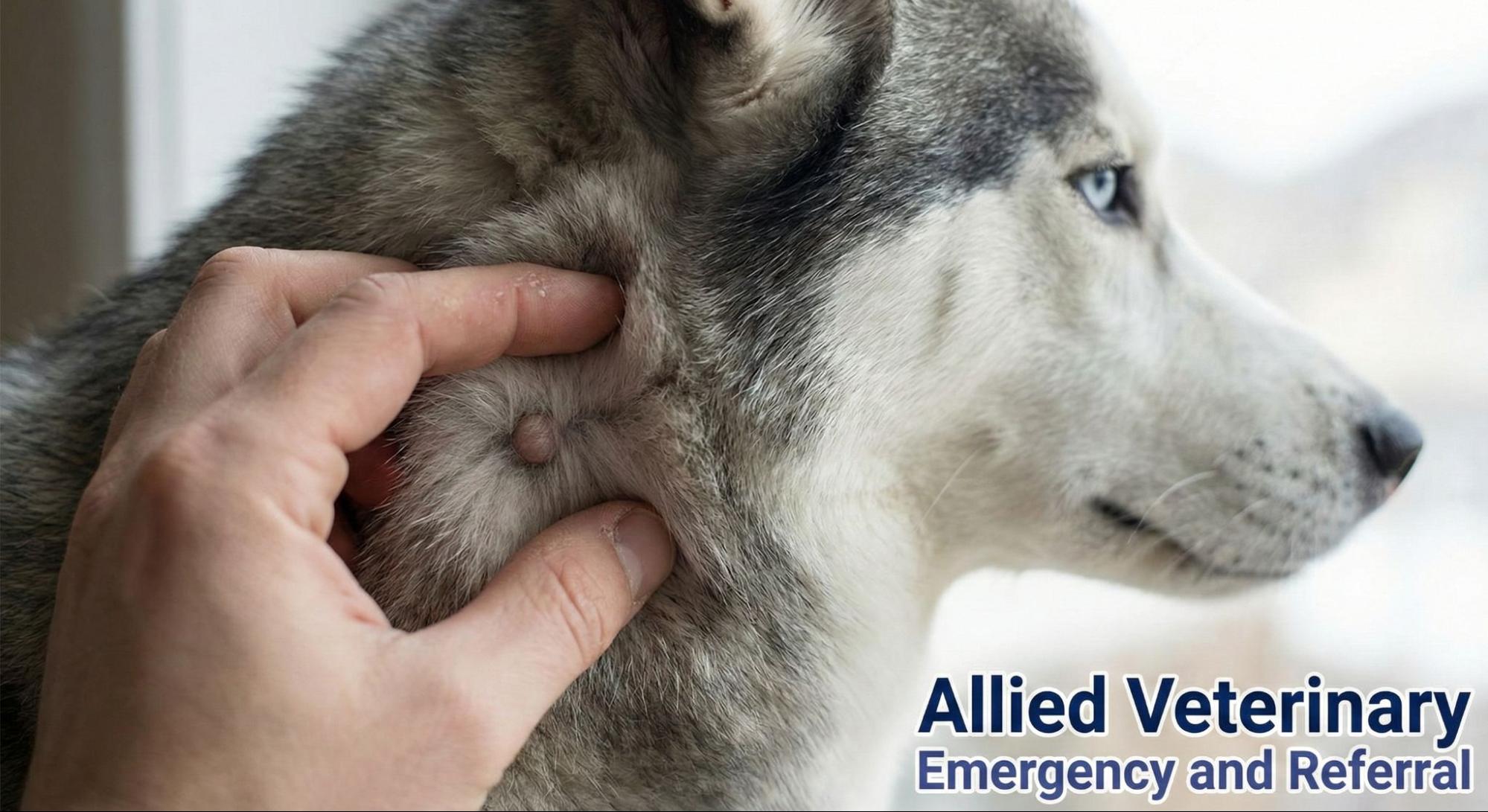
- Unexplained Lumps, Bumps, or Swelling: Any new growth on or under the skin should be evaluated. While many lumps are benign, a veterinarian should examine any that are new, growing, or changing in texture.
- Non-Healing Sores: A wound or sore that doesn’t heal within a normal timeframe could be a sign of a more significant underlying issue, including skin cancer.
- Abnormal Discharges: Persistent discharge from the eyes, nose, mouth, or rectum warrants a veterinary visit. Blood, pus, or other unusual fluids should never be ignored.
- Unusual or Foul Odors: A strong, unpleasant odor coming from the mouth, ears, or any other part of your pet’s body can be an indicator of a tumor or infection.
Behavioral and Systemic Indicators
Sometimes, the earliest signs of cancer are not visible but are reflected in your pet’s overall health and daily routines. These systemic symptoms can be subtle, making it essential to monitor for consistent changes. Key indicators include:
- Unexplained Weight Loss: If your pet is losing weight despite a normal appetite, it can be a significant red flag for many conditions, including cancer.
- Changes in Appetite or Eating Habits: A sudden loss of appetite, difficulty chewing or swallowing, or a noticeable decrease in interest in food should be investigated.
- Persistent Lethargy or Decreased Activity: While all pets slow down with age, a marked and persistent lack of energy or enthusiasm for walks, play, or interaction is a cause for concern.
- Chronic Pain or Lameness: Limping, stiffness, or reluctance to be touched in certain areas could indicate pain from a tumor, especially bone cancer.
- Difficulty Breathing or Coughing: A persistent cough or changes in breathing patterns can be a symptom of lung cancer or cancer that has metastasized. Labored breathing warrants immediate emergency services.
- Noticeable Alterations in Bathroom Habits: Difficulty urinating or defecating, or the presence of blood in the urine or stool, requires immediate veterinary attention.
When to Seek Veterinary Evaluation for Possible Cancer Symptoms
Trust your intuition. You know your pet best. If you notice any of the signs mentioned above, especially if they are persistent or new, it is time to seek a professional evaluation. It is far better to investigate a symptom that turns out to be minor than to wait until a serious condition has progressed. Subtle changes can often be the first clue. Delaying a visit can limit treatment options.
Prompt action is key. Do not wait for your pet to be in obvious distress. If you have a concern, the best course of action is to seek professional guidance immediately. In situations where symptoms appear suddenly or seem severe, utilizing urgent care services can provide the timely assessment your pet needs. This helps rule out critical issues early.
Diagnosing Cancer in Pets: The Path to Clarity
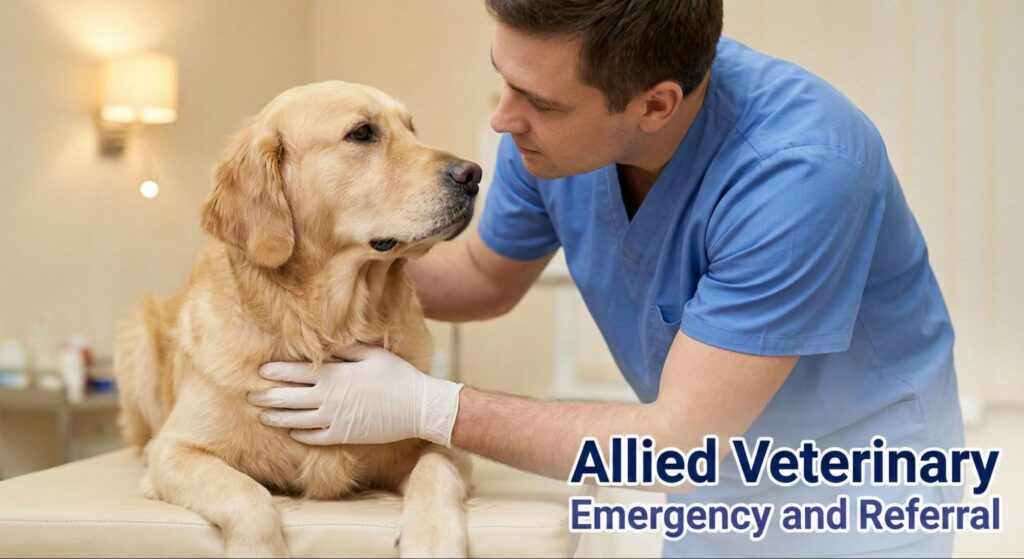
A suspicious symptom is just the starting point; a definitive cancer diagnosis in pets requires a thorough diagnostic process. This journey to clarity allows veterinarians to understand the specific type of cancer, its stage, and the best course of action. The process typically begins with a comprehensive physical examination and a detailed discussion of your pet’s history and symptoms.
From there, your veterinarian may recommend a series of tests to gather more information. Initial steps often include blood work, such as a complete blood count (CBC) and chemistry panel, which can reveal abnormalities in organ function or blood cells that may suggest cancer. To investigate growths or internal issues, more advanced methods are often necessary. A fine needle aspirate (cytology) involves taking a small sample of cells from a lump with a needle to be examined under a microscope. For a more definitive diagnosis, a biopsy (histopathology) may be performed, where a small piece of tissue is surgically removed for analysis. Our advanced Diagnostic Imaging capabilities, including X-rays, ultrasound, CT scans, and MRI, provide a detailed look inside the body to identify tumors, assess their size and location, and check for metastasis.
Comprehensive Oncology Care at Allied Veterinary Emergency and Referral
Receiving a cancer diagnosis for your pet can be an overwhelming experience, but you don’t have to navigate it alone. Allied Veterinary Emergency and Referral is deeply invested in providing advanced and compassionate pet oncology care. Our approach combines medical excellence with a profound understanding of the human-animal bond. We believe in treating not just the disease, but the patient as a whole, ensuring their comfort and quality of life remain the top priority.
Our team of veterinary specialists works collaboratively with you and your primary veterinarian to develop a personalized treatment plan. We offer a comprehensive range of Oncology Services, from advanced surgical procedures to chemotherapy and palliative care, designed to manage symptoms and maintain well-being. As a locally owned practice, we are committed to a human-centered approach that prioritizes the health of our patients, the peace of mind of our clients, and the well-being of our dedicated team. This is a cornerstone of the advanced Specialty Care Services we proudly provide.
Your Trusted Partner for Pet Oncology in Brooklyn Park and Beyond
Finding expert veterinary care close to home provides invaluable peace of mind during a stressful time. Allied Veterinary Emergency and Referral is honored to be a trusted partner for families throughout our community. We serve pet owners in Minneapolis, Eden Prairie, Rochester, MN, and Eau Claire, WI. Whether you need a timely evaluation for a concerning symptom or are seeking a second opinion, our team is here to provide the support and expertise your pet deserves. Your pet’s health is our priority. Please contact us to schedule a consultation or discuss your concerns with our team.
FAQs
How often should I check my pet for early signs of cancer?
Regular at-home checks, including petting your pet to feel for new lumps or bumps, should be done monthly. For older pets or those with breed predispositions, annual or semi-annual veterinary wellness exams, including routine lab work, are crucial for early detection.
Are some pet breeds more prone to cancer than others?
Yes, certain breeds of dogs and cats have a higher genetic predisposition to specific types of cancer. For example, large dog breeds are more susceptible to osteosarcoma, and Boxers often have mast cell tumors. Discuss your pet’s breed-specific risks with your veterinarian.
What are the most common types of cancer in dogs and cats?
In dogs, common cancers include lymphoma, osteosarcoma (bone cancer), and mast cell tumors. For cats, lymphoma (often gastrointestinal), squamous cell carcinoma, and mammary gland tumors are frequently diagnosed.
Can diet and lifestyle choices reduce my pet’s cancer risk?
While not a guarantee, maintaining a healthy weight, providing a balanced diet, ensuring regular exercise, and avoiding exposure to environmental toxins may contribute to overall health and potentially reduce cancer risk in pets. Regular veterinary care is also key.
What should I do if I notice a suspicious lump on my pet?
Do not delay in contacting your veterinarian. While not all lumps are cancerous, only a professional evaluation, often including a fine needle aspirate or biopsy, can determine the nature of the growth. Early evaluation is critical for a better prognosis.