Key Takeaways
- Specialty veterinarians employ advanced monitoring techniques, comprehensive pain management, and specialized recovery protocols to ensure optimal outcomes for pets after surgery.
- Continuous oversight of vital signs, meticulous incision care, and proactive detection of complications are crucial components of post-operative care in a specialty setting.
- Pet owners are empowered through clear communication and guidance for at-home recovery, forming a collaborative partnership with their veterinary team.
- Allied Veterinary Emergency and Referral offers trusted, high-quality post-surgical monitoring and recovery care, particularly at its Brooklyn Park, MN location.
Why Post-Operative Monitoring is Critical for Pet Recovery
The moments following a surgical procedure are just as critical as the surgery itself. For pets, this fragile period is marked by the lingering effects of anesthesia and the onset of healing. Because our beloved companions cannot tell us if they feel nauseous, dizzy, or in pain, vigilant post-operative monitoring becomes the cornerstone of a safe and successful recovery. In a specialty care setting, this oversight is elevated to an art and a science. It’s about more than just watching a pet wake up; it’s a dedicated, invested process of preventing setbacks, managing discomfort, and ensuring the best possible healing outcomes. Without this meticulous attention, pets are vulnerable to complications that can compromise their health and prolong recovery.
The Immediate Post-Operative Period: What Happens After Surgery
Once the final suture is placed, the veterinary team’s focus immediately shifts from the procedure to the pet’s recovery. The transition from the operating room to a dedicated, quiet recovery area is carefully managed to ensure the pet remains stable and comfortable. This initial phase is characterized by grogginess and disorientation as the anesthesia begins to wear off. The veterinary team, composed of specialists and highly trained technicians, performs initial assessments to establish a baseline for the pet’s recovery journey, providing a calm and secure environment to minimize stress.
Anesthesia Recovery and Initial Assessments
Waking up from anesthesia is a gradual and delicate process. To support this, pets are often provided with supplemental oxygen to ensure their tissues are well-perfused. The veterinary team continuously assesses their level of consciousness, respiratory function, and body temperature. Maintaining core body temperature is particularly important, as anesthesia can cause it to drop; warm blankets and other heating support are used to keep the pet comfortable and stable. These initial checks ensure that the transition from an anesthetized state to wakefulness is as smooth and safe as possible, laying the foundation for a successful recovery.
Advanced Monitoring Techniques in Specialty Veterinary Hospitals
Specialty veterinary hospitals are equipped with sophisticated technology and staffed by personnel with advanced training, allowing for a level of post-operative monitoring that provides unparalleled safety. This investment in both equipment and expertise means that even the most subtle changes in a pet’s condition can be detected and addressed immediately. From continuous electronic monitoring to specialized intensive care units, every aspect of the environment is designed for proactive and precise patient care.
Continuous Vital Sign Monitoring
In a specialty setting, monitoring goes far beyond periodic checks. Advanced electronic equipment provides a continuous, real-time stream of data on a pet’s vital signs. This often includes:
- ECG (Electrocardiogram): Tracks heart rate and rhythm for any abnormalities.
- Blood Pressure Monitors: Ensures cardiovascular stability and adequate circulation.
- Pulse Oximetry: Measures the oxygen saturation level in the blood.
- Temperature Probes: Provide constant body temperature readings.
This data is overseen by experienced veterinary technicians who are trained to interpret complex information and recognize early indicators of potential issues. This constant vigilance is a key component of the high-quality care offered in our surgical services.
Specialized Care Units and Critical Monitoring
For pets who have undergone particularly complex procedures or have pre-existing conditions, recovery may take place in a veterinary Intensive Care Unit (ICU). These units provide round-the-clock, one-on-one monitoring and support. Here, the team can perform more intensive interventions, such as managing IV fluids to maintain hydration, ensuring electrolyte balance, and checking blood glucose levels. This level of critical care is similar to what is provided through our emergency services, ensuring a seamless standard of care for the most vulnerable patients.
Comprehensive Pain Management and Comfort Protocols
A pet’s comfort is paramount to their recovery. Pain not only causes distress but can also hinder the healing process. Specialty veterinarians are deeply invested in providing comprehensive pain relief through a strategy known as multimodal analgesia. This approach combines different classes of pain medications, such as NSAIDs, opioids, and local anesthetic blocks, to target pain from multiple angles. This maximizes relief while minimizing the potential side effects of any single drug.
Beyond medication, comfort is promoted through a supportive environment. This can include adjunctive therapies like gentle massage, therapeutic laser treatments, or cold compresses to reduce swelling. Creating a calm, quiet space with soft bedding helps reduce stress and encourages rest, which is essential for healing.
Detecting and Preventing Post-Surgical Complications
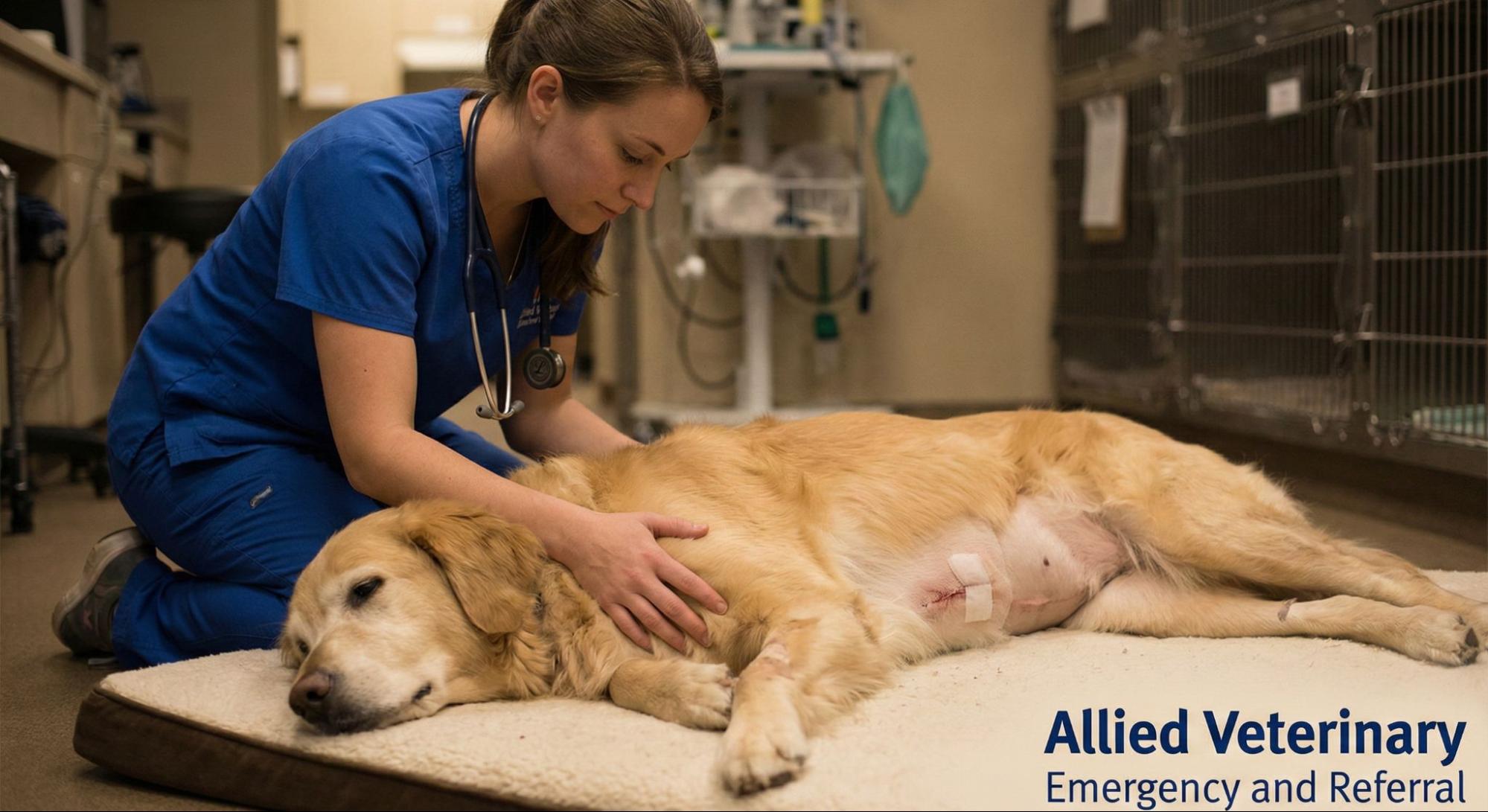
Even with the best surgical technique, complications can arise. A specialty veterinary team’s rigorous monitoring protocols are designed to detect and prevent these issues before they become serious. The surgical incision site is inspected regularly for any signs of excessive redness, swelling, discharge, or odor that could indicate an infection or other problem. The team also watches for more subtle signs of internal complications, such as changes in behavior, appetite, or vital signs, which might be picked up through advanced tools like diagnostic imaging if needed. By identifying these warning signs early, the team can intervene promptly, ensuring the pet’s safety and keeping their recovery on track.
Your Role in At-Home Recovery: Partnering with Allied Veterinary
The transition from our hospital to your home is a critical step in the recovery journey. We view it as a partnership. As a pet owner, you become the primary caregiver. Our team is invested in empowering you with the knowledge you need to succeed. We serve pet families across the region, including Brooklyn Park, Minneapolis, Eden Prairie, Rochester, and Eau Claire, WI. Regardless of your location, we provide clear discharge instructions. These cover everything from medication schedules to activity restrictions like crate rest and controlled leash walks.
Our team will guide you on how to care for the incision. We also explain what to feed your pet and what specific symptoms to watch for. We believe that open communication is key. That is why we provide resources for pet parents to ensure you feel supported. We ensure you know exactly who to call with any questions or concerns. Following up with scheduled recheck appointments is also essential. This allows us to assess healing and make any necessary adjustments to the recovery plan.
Why Choose Allied Veterinary for Advanced Post-Surgical Monitoring in Brooklyn Park, MN
At Allied Veterinary Emergency and Referral, we are invested in your pet’s well-being from the moment they arrive until they are fully recovered. Our commitment to high-quality care is evident in our advanced post-surgical monitoring protocols. We utilize hospital-grade technology to track vital signs continuously. This includes real-time monitoring of heart rate, blood pressure, oxygen saturation, and ECG rhythms. This constant vigilance allows our dedicated nursing staff to detect even subtle changes in your pet’s condition immediately.
Our independent and locally owned practice allows us to focus entirely on thoughtful and individualized treatment plans. We prioritize pain management and comfort to ensure a smooth transition out of anesthesia. We go beyond basic observation by actively managing fluid therapy and wound care in a sterile environment. When advanced post-surgical monitoring is needed, you can trust Allied Veterinary to provide the invested care your pet deserves. Please contact us if you have any questions about your pet’s recovery needs or to schedule a consultation.
FAQs
How do specialty vets monitor pain after pet surgery?
Specialty vets use a multimodal approach to pain management, combining various medications like NSAIDs, opioids, and local anesthetic blocks. They assess pain using behavioral scales, observing subtle cues like changes in posture, activity, vocalization, appetite, and interactions, to ensure individualized and effective pain relief.
What are common post-surgical complications in pets and how are they prevented?
Common complications include infection, wound dehiscence (opening of the incision), and internal issues like bleeding or torn sutures. Specialty vets prevent these through strict sterile techniques, meticulous incision care, multimodal pain control, activity restrictions, and educating pet owners on recognizing early warning signs.
Why is continuous vital sign monitoring important for pets recovering from surgery?
Continuous vital sign monitoring, including heart rate, blood pressure, respiratory rate, temperature, and oxygen saturation, is crucial because it allows specialty veterinary teams to detect subtle changes indicating pain, complications, or anesthetic side effects rapidly. This vigilance enables immediate intervention, significantly improving safety and recovery outcomes.
What should pet owners monitor for during at-home recovery after surgery?
Pet owners should monitor the incision site daily for excessive redness, swelling, discharge, or odor. They should also observe their pet’s appetite, hydration, urination, defecation, energy levels, and overall behavior for any signs of discomfort, lethargy, or changes from the provided discharge instructions.
When should I contact a specialty vet after my pet’s surgery?
You should contact your specialty vet immediately if you observe severe pain not controlled by medication, significant changes at the incision site (opening, excessive bleeding, foul odor), persistent lethargy or weakness, refusal to eat or drink for over 24 hours, repeated vomiting or diarrhea, or any other concerning behavioral changes.