Key Takeaways
- Pain management is a critical component of comprehensive cancer care for pets, enhancing their quality of life.
- Veterinarians use a multimodal approach, combining various medications and non-pharmacological therapies to control pain effectively.
- Assessing pain in pets requires careful observation and understanding of subtle signs.
- Palliative and supportive care are crucial for maintaining comfort as cancer progresses.
- Allied Veterinary Emergency and Referral, a locally owned and independent practice, prioritizes individualized, compassionate oncology care, particularly at its Brooklyn Park location.
- Pet owners are encouraged to discuss pain management options with a veterinary oncologist to ensure their pet’s comfort throughout treatment.
A cancer diagnosis for a beloved pet brings a wave of emotions and questions. At the forefront of every owner’s mind is their companion’s well-being and comfort. Ensuring a pet’s quality of life is the primary goal of modern veterinary oncology, and effective pain management is the cornerstone of this commitment. Pain from cancer, or its treatment, can significantly impact a pet’s happiness and health, making its control a top priority for both veterinarians and pet owners.
At Allied Veterinary Emergency and Referral, we believe that no pet should suffer from unmanaged pain. Our “Invested Veterinary Care” philosophy means we partner with you to create a comprehensive and compassionate care plan. Understanding how vets manage pain is the first step in advocating for your pet and ensuring they receive the comfort they deserve throughout their cancer journey.
Why Pain Management is Essential in Pet Cancer Care
Prioritizing pain relief is fundamental to compassionate veterinary care. For pets undergoing cancer treatment, managing discomfort is not just about kindness; it’s a medical necessity that profoundly influences their overall health. Uncontrolled pain can lead to stress, decreased appetite, lethargy, and a weakened immune system, all of which can hinder their ability to respond to treatment.
Effective pain management improves a pet’s quality of life, allowing them to eat, sleep, and interact with their family more comfortably. This focus on well-being is a central part of our oncology services. By addressing pain proactively and aggressively, we help pets maintain their strength and spirit, which is invaluable during a challenging time. Pet owners can feel reassured knowing that their companion’s comfort is a critical component of the treatment strategy, not an afterthought.
Assessing and Understanding Your Pet’s Pain
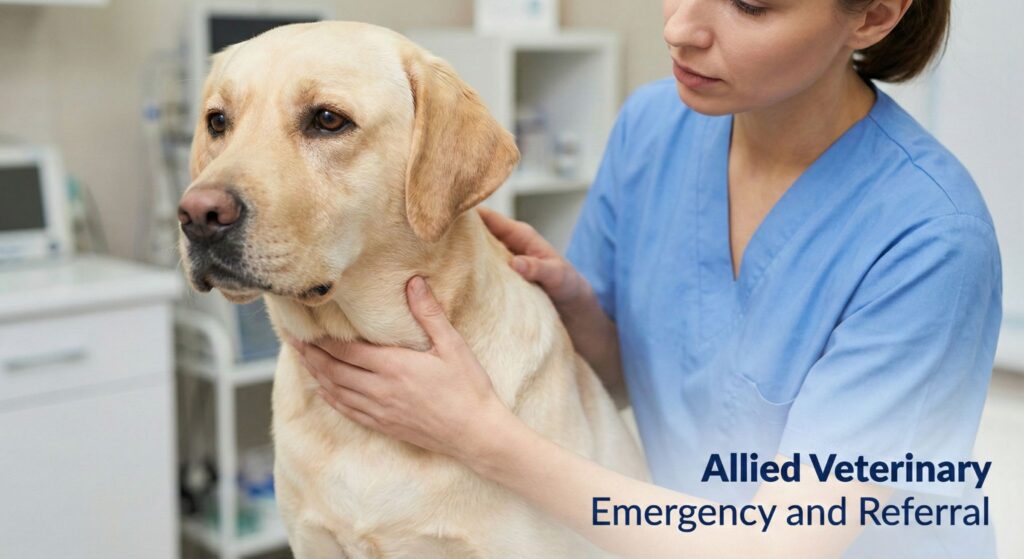
Unlike humans, pets cannot tell us when or where they hurt. Therefore, veterinarians and pet owners must become skilled detectives, looking for subtle clues. A thorough pain assessment involves a physical examination by a veterinarian and detailed observations from the pet’s family. Our teams in Minneapolis, Eden Prairie, and Brooklyn Park are trained to perform these comprehensive evaluations.
Veterinarians use pain scoring systems, observe how a pet moves and reacts to touch, and consider the type and stage of cancer to build a complete picture of their discomfort. Your role as an owner is crucial; you know your pet’s normal behavior better than anyone. Reporting even small changes helps us create and adjust the most effective pain management plan.
Recognizing Subtle Signs of Discomfort
Learning to spot the signs of pain is one of the most important things a pet owner can do. These signals can be easily missed or mistaken for normal aging. Be observant of:
- Behavioral Changes: Increased irritability, aggression when touched, hiding, or seeking more attention than usual.
- Activity Level: Reluctance to play, jump, or go for walks. Difficulty standing up or lying down.
- Vocalization: Whimpering, growling, or crying, especially when moving or being handled.
- Physical Posture: A hunched back, tense muscles, or holding their head low.
- Grooming and Appetite: Decreased grooming (especially in cats) or a noticeable loss of appetite.
- Other Signs: Panting when at rest, restlessness, or excessively licking a particular area of the body.
If you notice any of these signs, it’s essential to communicate with your veterinary team. Consistent monitoring allows for timely adjustments to your pet’s pain management protocol.

Multimodal Approaches to Pet Cancer Pain Relief
The most effective strategy for managing cancer pain is a “multimodal” approach. This means using a combination of different therapies to target pain from multiple angles. This method not only provides more effective relief but also often allows for lower doses of individual medications, reducing the risk of side effects. Our specialty care services are built around this comprehensive philosophy.
A multimodal plan is tailored to the individual pet, considering their type of cancer, overall health, and specific symptoms. This may include a combination of prescription medications alongside non-pharmacological therapies like acupuncture, physical therapy, nutritional support, or therapeutic laser. The goal is to create a layered, synergistic plan that keeps the pet as comfortable as possible. The expertise of our veterinary team is crucial in designing and managing these sophisticated protocols.
Common Medications for Cancer-Related Pain
Our veterinary oncologists have a range of safe and effective medications to manage cancer-related pain. These are carefully selected and monitored to ensure your pet’s safety. Common classes of drugs include:
- Non-Steroidal Anti-Inflammatory Drugs (NSAIDs): These are often a first line of defense for mild to moderate pain, as they reduce inflammation associated with tumors.
- Opioids: For moderate to severe pain, opioids like tramadol or buprenorphine are highly effective and a cornerstone of cancer pain management.
- Adjunctive Medications: Drugs like gabapentin or amantadine are used to treat neuropathic pain (pain originating from nerves), which can be a component of cancer discomfort.
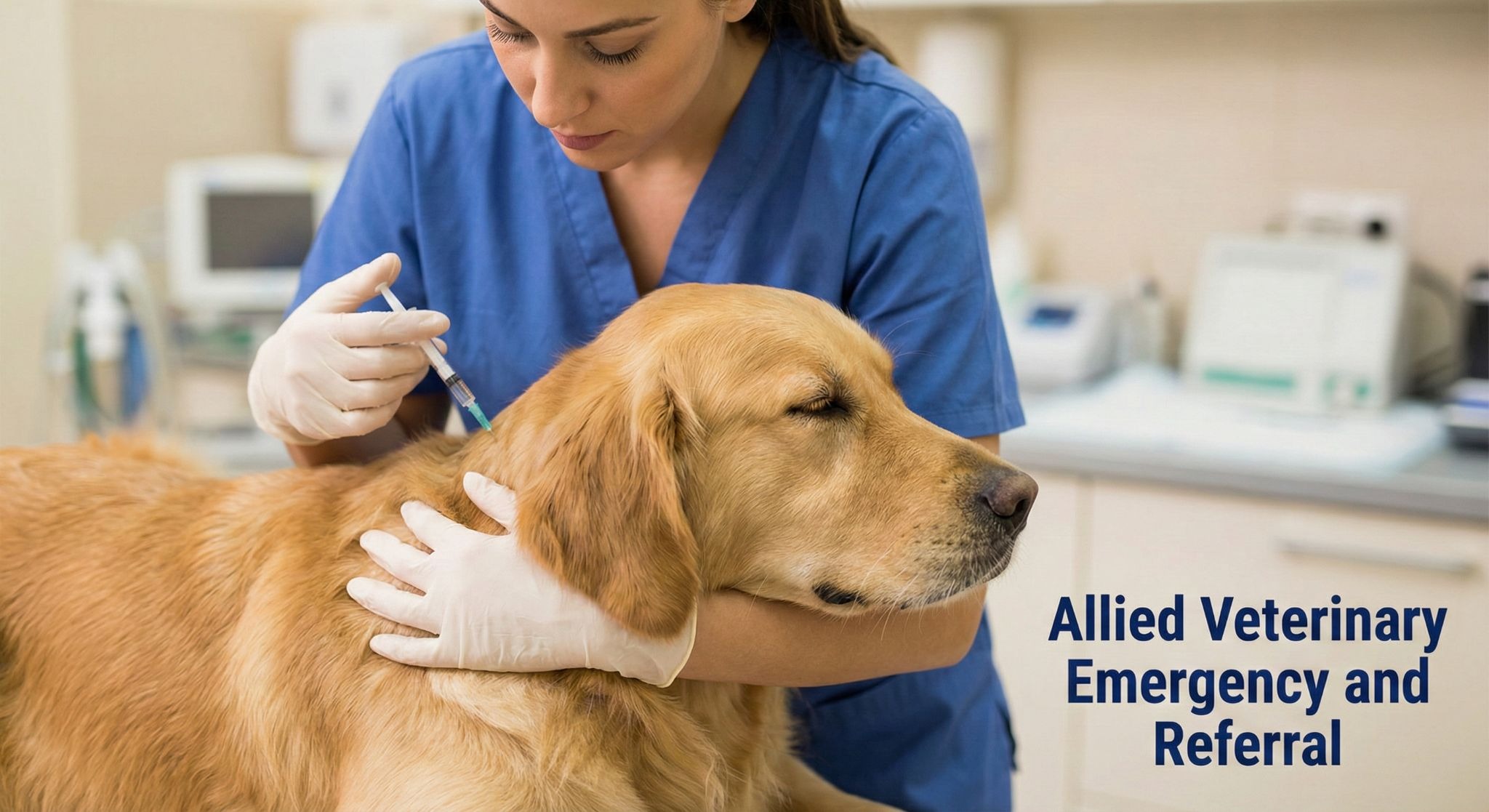
It is critical that these medications are only given under the direct supervision of a veterinarian. They will perform necessary bloodwork and monitoring to ensure the treatments are both safe and effective for your pet.
Palliative Care and Supportive Strategies for Comfort
When a cure for cancer is not possible, the focus shifts entirely to comfort and quality of life. This is known as palliative or hospice care. Palliative care aims to manage symptoms and relieve suffering, ensuring a pet’s remaining time is filled with peace and dignity. Pain management is the most critical component of this approach.
As a pet’s cancer progresses, their needs will change. The veterinary team works closely with families across Minnesota and Western Wisconsin, including communities like Eau Claire and Rochester, to adapt the pain management plan accordingly. This may involve adjusting medication dosages, introducing new therapies, and providing support for in-home care. Supportive strategies also include nutritional management to maintain appetite and strength, as well as environmental modifications to keep them comfortable at home. We offer many resources for pet parents to help navigate this difficult but important phase of care.
Prioritizing Your Pet’s Quality of Life
Throughout the entire cancer journey, every decision is guided by one question: what is best for the pet’s quality of life? This is a deeply personal consideration that involves a partnership between the veterinary team and the pet owner. We monitor not just pain levels, but also appetite, hydration, hygiene, mobility, and overall happiness.
Open and honest communication is vital. We encourage you to share your observations and concerns, so we can make informed decisions together. If your pet’s condition changes suddenly, our emergency services and urgent care teams are always here to help. The goal is to ensure your pet continues to enjoy their favorite activities and the company of their family for as long as possible. For any questions, we are always available when you contact us.
Allied Veterinary: Invested in Compassionate Oncology Care
Finding a locally owned and independent practice ensures your pet receives “Invested Veterinary Care.” Decisions are driven by values and a deep commitment to medical integrity rather than corporate protocols. Your pet deserves a patient-centered approach that prioritizes pain management and maximizes quality of life.
Accessing a state-of-the-art facility provides specialized and compassionate support during a difficult diagnosis. You gain a dedicated group of professionals who understand the emotional and medical complexities involved. Choosing Allied means ensuring your pet’s comfort and well-being are always the priority. Contact us to discuss a comprehensive pain management plan for your companion.
FAQs
What are the common signs my pet is in pain from cancer?
Pets can show subtle signs of cancer pain, including changes in appetite or sleep patterns, reluctance to move, limping, excessive licking of a specific area, aggression when touched, panting, or withdrawal. Observing these changes and communicating them to your vet is crucial.
What types of medications do veterinarians use for cancer pain in pets?
Vets often use a multimodal approach, combining different types of pain relievers. These can include non-steroidal anti-inflammatory drugs (NSAIDs), opioids, gabapentin, tramadol, and other adjunctive medications to target various pain pathways and minimize side effects.
Can non-pharmacological therapies help manage my pet’s cancer pain?
Yes, non-medication options like therapeutic laser, acupuncture, massage therapy, physical rehabilitation, and dietary modifications can complement medication-based pain management. These therapies can improve comfort and enhance the overall quality of life for pets with cancer.
How do veterinarians assess and monitor pain levels in pets with cancer?
Veterinarians use a combination of physical examinations, observation of behavior, client-reported observations, and pain scoring systems to assess and monitor pain. Regular re-evaluations are essential, as pain levels can change throughout cancer treatment.
What is palliative care in veterinary oncology, and how does it relate to pain management?
Palliative care in veterinary oncology focuses on providing comfort and improving a pet’s quality of life when a cure may not be possible. Pain management is a cornerstone of palliative care, ensuring the pet remains comfortable, happy, and has a good quality of life for as long as possible.