Key Takeaways
- Recognize the 5 Early Warning Signs: Identify symptoms like persistent coughing, sudden fatigue, and fainting before they escalate into a life-threatening cardiac crisis.
- Identify True Respiratory Distress: Learn to distinguish normal panting from the neck-stretching and “stomach-breathing” that signals an immediate need for emergency intervention.
- Rapid, Tech-First Diagnostics: Benefit from a locally owned practice that utilizes advanced CT and ultrasound imaging to provide immediate answers without corporate red tape or delays.
- Immediate 24/7 Stabilization: Access expert emergency care at any hour to stabilize your pet and bridge the gap between the initial crisis and long-term specialized cardiology.
Heart disease often presents as a series of subtle changes, like a lingering cough or a sudden lack of interest in exercise. At Allied Veterinary Emergency and Referral, we move past the guesswork by using advanced diagnostic tools to provide immediate medical clarity. Our facility is designed to identify exactly how the heart is functioning and where it needs support. We replace the anxiety of unusual symptoms with precise clinical data.
We offer a direct path to recovery for families seeking veterinary cardiology in Minnesota. By operating as an independent practice, our doctors have the clinical freedom to prioritize the technology and tests that matter most for your pet. Every choice we make is rooted in medical integrity and a commitment to providing the information you need during a cardiac crisis. We focus on stabilizing your pet quickly and creating a transparent plan for their long-term heart health.
What Are the Most Common Signs of a Heart Condition in Pets?
Pets excel at masking internal discomfort, which often leaves families to piece together subtle and confusing behavioral shifts. At Allied Veterinary Emergency and Referral, we treat these physical cues as the clinical map for our diagnostic process. Recognizing these signals is less about checking boxes and more about triggering a precise medical response. By focusing on the following indicators, we move past the guesswork and use advanced technology to stabilize your pet with speed and accuracy.
Persistent Coughing
A dry, hacking cough that sounds like honking is frequently the first sign of congestive heart failure in dogs. This occurs when the heart cannot pump blood efficiently, which causes fluid to accumulate in the lungs. This dog coughing heart disease symptom is usually more intense at night or when a pet first stands up. Early access to immediate medical support helps manage fluid levels and protects heart function.
Difficulty Breathing
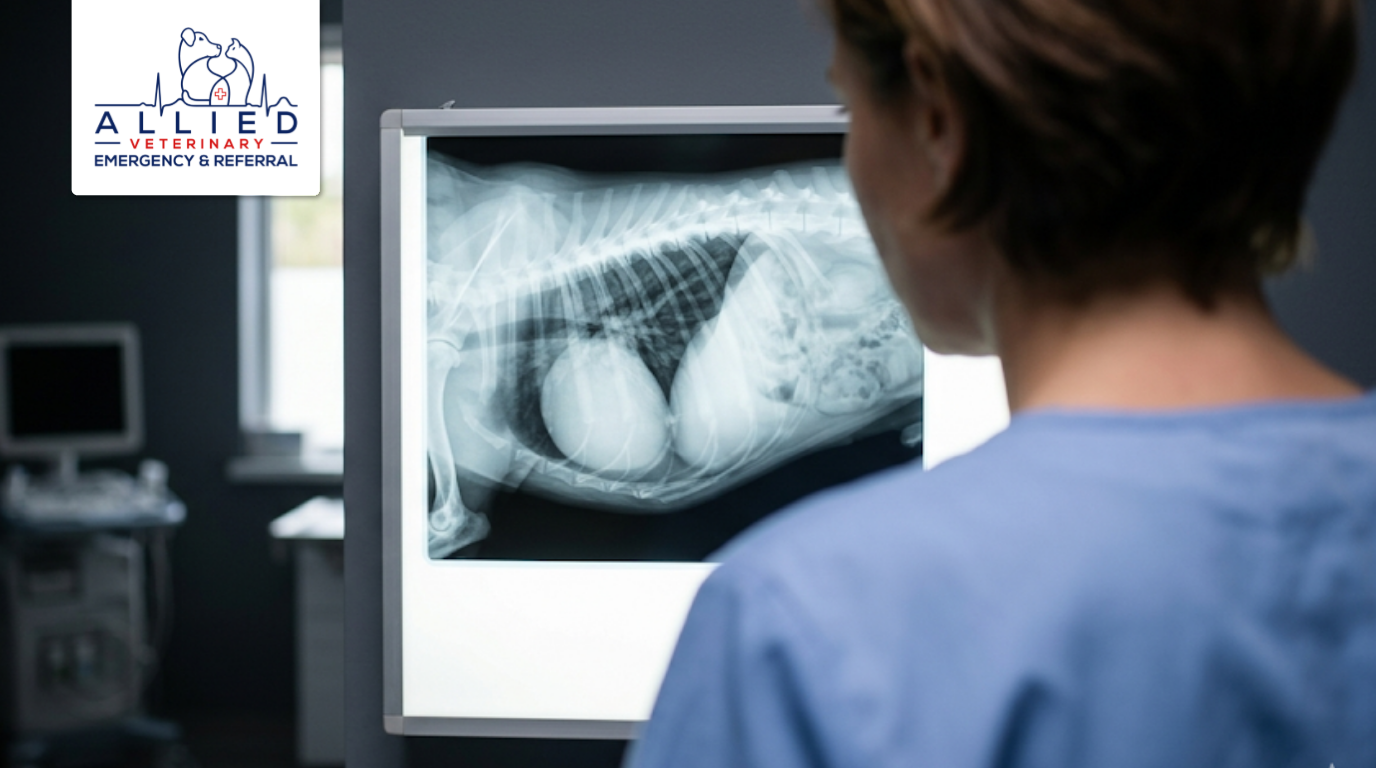
If your pet is breathing with an open mouth while resting or using their stomach muscles to draw in air, they are in a state of respiratory crisis. This level of emergency vet heavy breathing indicates that the heart is struggling to deliver oxygen to the body. This is a time-sensitive situation that requires immediate stabilization. Our medical team uses advanced imaging tools to check for fluid surrounding the heart and lungs without any delay.
Fatigue and Lethargy
Many pets experience a profound loss of energy or a sudden inability to keep up during daily walks. This happens because the heart cannot meet the increased demand for oxygenated blood. If your pet stops moving or pants excessively after minimal activity, it is a primary indicator of pet heart disease symptoms. These shifts in energy levels require an expert evaluation to determine if the heart muscle is weakening.
Collapse or Fainting
A temporary loss of consciousness happens when the brain is deprived of oxygenated blood. These episodes can look like a seizure but are often related to an irregular heartbeat or a cat heart murmur that has progressed. Any instance of collapse should be treated as a medical priority. We prioritize rapid diagnostic testing to identify the cause of the fainting episode and prevent further cardiac events.
Blue or Pale Gums
Healthy gums should be a vibrant pink color. If you notice pale, gray, or bluish tones, your pet is likely experiencing poor circulation. This is a critical sign that the heart is no longer meeting the basic needs of the body. Any change in gum color is an emergency that requires a professional medical assessment. Our team is trained to identify these physical markers of distress and act with medical precision.
How Do I Know If My Pet’s Breathing Changes Are a Cardiac Emergency?
Respiratory shifts can be subtle at first. You might notice your pet stretching their neck out to pull in more air or standing with their elbows pointed outward to expand their chest. These tactical movements are signs that the heart is failing to circulate enough oxygen. If these changes occur alongside a blue tint to the tongue or gums, it is a life-threatening crisis. Immediate stabilization is the only way to manage the underlying pressure on the cardiac system. Our facility is equipped to provide the oxygen therapy and high-definition diagnostics required to stabilize your pet during these critical moments.
Why Choose an Independent Veterinary Cardiologist for Your Pet?
Choosing a locally owned provider ensures direct accountability. At our practice, the clinical leadership is on-site and involved in every high-stakes decision. This structure allows our doctors to act with immediate agility when managing a heart emergency. We make medical choices based on the specific needs of the patient in the room rather than following a generic corporate checklist. Our independent status also allows us to reinvest in the specialized technology and staff required to provide top-tier care in the Minnesota region. You can learn more about our independent practice and how our mission supports the local veterinary community.
What Should I Do If I Suspect My Pet Has Heart Disease?
If you notice any unusual coughing or lethargy, start by documenting the frequency of the symptoms. Note if the coughing occurs mostly at rest or after physical activity. If your pet exhibits any signs of respiratory distress or collapse, do not wait for a scheduled appointment. Immediate diagnostic imaging and stabilization are required to assess the severity of the condition. Providing our team with clear details about your pet’s recent energy levels and breathing patterns helps us prioritize the correct diagnostic tools upon your arrival.

Access the Advanced Diagnostic Answers You Need in Minnesota
A cardiac crisis demands a team that acts with speed and accuracy. At Allied Veterinary Emergency and Referral, we provide the specific data needed to save lives. We understand that behind every patient is a family looking for answers and a clear path toward recovery. By combining an empathetic approach with our advanced diagnostic technology, we ensure your pet has the best possible chance to return home safely. Visit our emergency contact page for immediate assistance or arrive at our hospital for urgent medical attention.
Frequently Asked Questions
Can a dog or a cat live a long life with a heart condition?
Yes, with early detection and a tailored treatment plan from a veterinary cardiologist, many pets with heart disease maintain a high quality of life for years.
What are the first signs of congestive heart failure in dogs?
The earliest signs typically include a persistent dry cough, lethargy, and a noticeably increased breathing rate even while resting.
How is pet heart disease diagnosed?
Veterinarians diagnose heart conditions using advanced diagnostic imaging, such as echocardiograms and chest X-rays, alongside blood tests and physical exams.
Is a cat hiding a sign of heart problems?
While hiding is a general sign of illness or pain in cats, it can indicate a severe heart issue when accompanied by rapid breathing or sudden hind-limb weakness.
Does Allied Veterinary offer pet cardiology services in Minnesota?
Yes, Allied Veterinary Emergency and Referral provides specialized, locally-owned cardiology and 24/7 emergency care across Minnesota and Western Wisconsin.