Key Takeaways
- Specialty veterinary care involves advanced diagnostics and treatments provided by board-certified veterinarians with expertise in specific medical fields.
- It differs from general veterinary care in its focus on complex conditions that require specialized knowledge, equipment, and procedures beyond routine wellness and basic illness management.
- Pets may need specialty care for serious conditions like cancer, heart disease, neurological disorders, complex surgeries, or when a diagnosis is difficult to reach.
- Allied Veterinary Emergency and Referral offers a range of specialty services, working collaboratively with your primary veterinarian to ensure seamless, comprehensive care for your pet.
- Our Brooklyn Park, MN, location serves as a trusted hub for pet owners in Minnesota and Western Wisconsin seeking advanced and compassionate veterinary expertise.
When your beloved pet faces a serious or complex health issue, you want the highest level of medical expertise available. This is where specialty veterinary care comes in. Much like in human medicine, where a primary care physician might refer a patient to a cardiologist or an oncologist, the veterinary world has a similar structure. Specialty veterinary care is a tier of advanced medicine provided by veterinarians who have dedicated years to studying a specific discipline.
These specialists utilize advanced diagnostic tools, sophisticated surgical procedures, and targeted treatments that often go beyond the scope of a general practice. They focus on intricate health problems, from chronic diseases to rare conditions that require a deeper level of knowledge and experience. At its core, specialty care is about providing your pet with a focused, expert approach to achieve the best possible medical outcome, ensuring they receive the precise care they need when they need it most.
The Role of Board-Certified Veterinary Specialists
The term “specialist” in veterinary medicine isn’t just a title—it’s a significant professional achievement. A board-certified veterinary specialist is a veterinarian who has completed extensive, rigorous training after veterinary school. This advanced training typically includes a one-year internship followed by a demanding three to four-year residency program in a specific area of medicine, such as surgery, cardiology, or oncology.
To earn board certification, these veterinarians must not only complete their residency but also publish research and pass a comprehensive examination administered by a recognized veterinary specialty organization. This process ensures they possess a superior level of expertise and are at the forefront of their field. Choosing a board-certified specialist means your pet is being cared for by a professional whose knowledge and skills have been rigorously tested and validated, offering you peace of mind and the highest standard of care.
Specialty vs. General Veterinary Care: Key Differences
Your primary care veterinarian is the cornerstone of your pet’s health. They are the skilled “jack-of-all-trades” who handle everything from wellness exams and vaccinations to common illnesses and routine dental care. They build a long-term relationship with you and your pet, managing their overall health throughout their life.
Specialty veterinary care, however, is focused on depth rather than breadth. While a general veterinarian has a wide range of knowledge across many areas, a specialist has an incredibly deep understanding of one particular field. The key differences lie in three main areas:
- Complexity of Cases: General practitioners manage the vast majority of health concerns. Specialists are called upon for complex, uncommon, or critical cases that require a level of expertise and equipment not typically found in a family veterinary clinic.
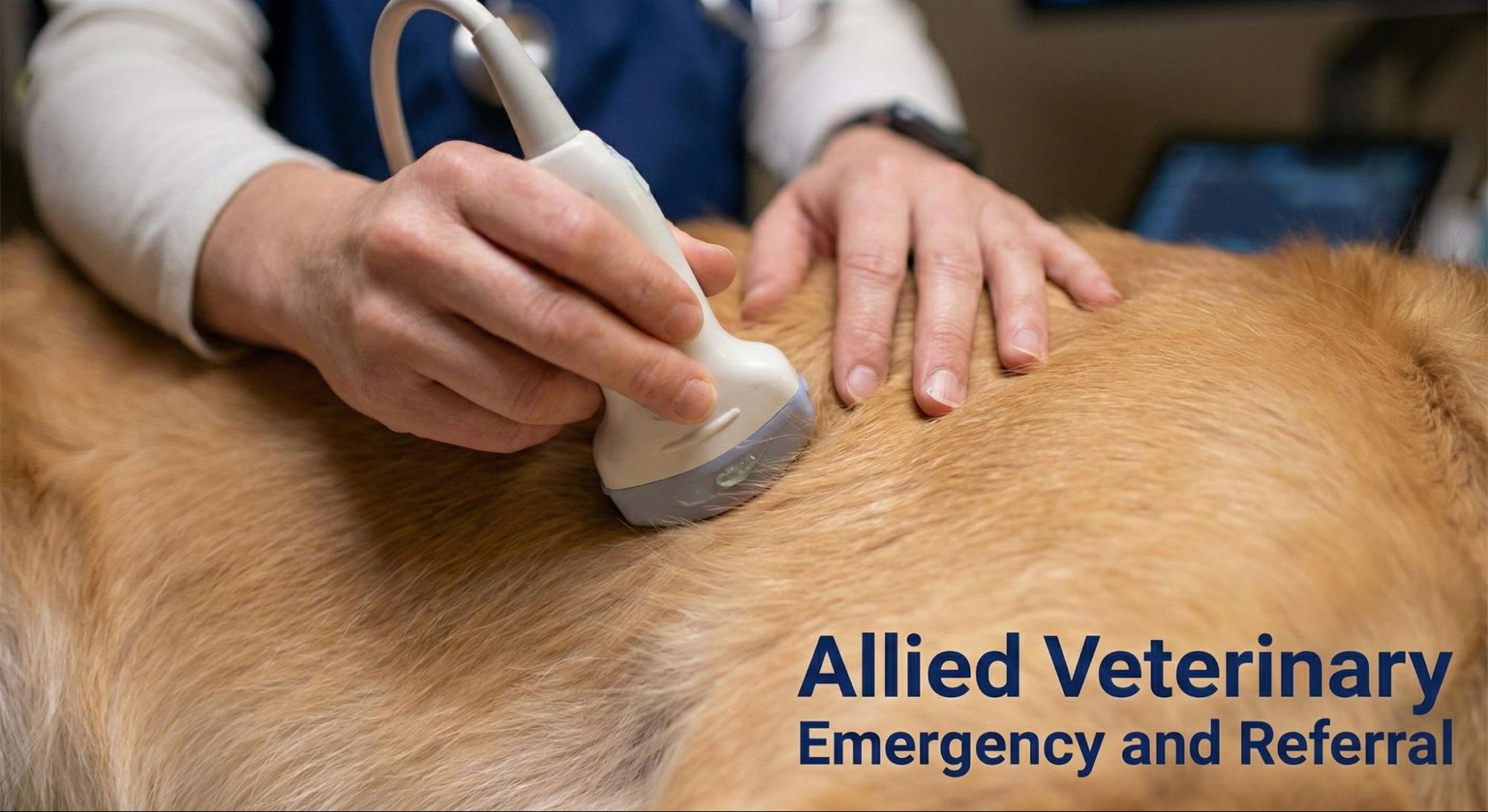
- Advanced Equipment: Specialty hospitals invest in sophisticated diagnostic and treatment technology, such as MRI machines, advanced ultrasound, and specialized surgical tools, that are essential for diagnosing and treating complex diseases.
- Advanced Training: As mentioned, specialists undergo years of additional, focused training to become experts in their chosen discipline.
Think of your general vet as your trusted family doctor and a specialist as the expert surgeon or internist they partner with for advanced medical challenges.
When Routine Care Isn’t Enough
There are many situations where your primary veterinarian may recommend a referral to a specialist. Their goal is always to ensure your pet receives the best possible care, and sometimes that means collaborating with an expert. A referral may be necessary if your pet’s condition is not responding to standard treatments, if a definitive diagnosis is elusive, or if a sophisticated procedure is required.
Scenarios that often warrant a referral include a complex fracture requiring an orthopedic surgeon, a heart murmur that needs a cardiologist’s evaluation, or a cancer diagnosis that requires an oncologist to develop a treatment plan. It’s not a sign that your regular vet is unable to help, but rather a sign of their commitment to leveraging every available resource for your pet’s well-being. This collaborative approach ensures a comprehensive care strategy, combining the holistic health knowledge of your primary vet with the focused expertise of a specialist.
Common Conditions Requiring Advanced Veterinary Care
Many health conditions can benefit from the advanced knowledge and tools a specialist provides. At Allied Veterinary Emergency and Referral, our multidisciplinary team is equipped to handle a wide range of complex issues. Some of the most common reasons a pet might need our specialty care services are related to specific organ systems or diseases that require targeted intervention.
For instance, pets with cancer often benefit from the expertise of our oncology team, who can offer advanced chemotherapy and treatment planning. Animals with heart conditions, such as congestive heart failure or arrhythmias, receive dedicated care from our cardiology department. Complex injuries or conditions requiring intricate procedures are managed by our board-certified surgery specialists. These are just a few examples of how focused expertise makes a critical difference in managing serious pet health problems.
Types of Veterinary Specialists and Their Expertise
The world of veterinary medicine includes a wide array of specialists, each with a unique focus. Understanding their roles can help you appreciate the depth of care available to your pet.
- Oncologists diagnose and treat cancer in animals.
- Cardiologists focus on diseases of the heart and circulatory system.
- Neurologists handle conditions of the brain, spinal cord, and nerves.
- Surgeons perform complex orthopedic and soft tissue procedures.
- Internal Medicine Specialists tackle complex, chronic, or puzzling diseases affecting the body’s internal systems.
- Radiologists are experts in interpreting medical images from our diagnostic imaging services, like X-rays, CT scans, and ultrasounds, to provide accurate diagnoses.
Each specialist brings a unique skill set to the table, contributing to a comprehensive, team-based approach to your pet’s health.
The Referral Process: How Specialty Veterinarians Collaborate with Your Primary Vet
The partnership between your primary veterinarian and a veterinary specialist is fundamental to providing seamless and effective care. The referral process is built on a foundation of collaboration and communication. When your vet identifies a need for specialized care, they will refer you to a trusted specialty hospital like Allied Veterinary.
This process ensures that all parties are working together for the good of your pet. Your specialist will receive a detailed history of your pet’s health, including previous tests and treatments. After your consultation and any procedures, the specialist provides your primary vet with a comprehensive report and recommendations for ongoing care. This open dialogue ensures that your primary vet remains at the center of your pet’s overall wellness while the specialist provides targeted treatment for the specific condition. It’s a team approach designed to deliver the best possible outcome.
When Emergency Care and Specialty Care Overlap
In some critical situations, the line between emergency and specialty care blurs. A pet might be brought in through our emergency services with a severe injury or sudden, acute illness that requires immediate intervention from a specialist. For example, a dog hit by a car may need an emergency stabilization team and, subsequently, a board-certified surgeon for a complex fracture repair.
This is where an integrated hospital like Allied Veterinary truly shines. Our emergency and specialty teams work side-by-side, allowing for a seamless transition from critical stabilization to advanced specialty treatment under one roof. This coordinated approach is vital in time-sensitive cases, ensuring that your pet receives the specialized expertise they need without delay. Whether it’s a sudden neurological event, a severe cardiac episode, or trauma requiring immediate surgical attention, our teams are prepared to provide comprehensive care. We also offer urgent care for issues that are serious but not life-threatening.
Allied Veterinary’s Commitment to Coordinated Specialty Care
At Allied Veterinary Emergency and Referral, we are invested in our patients, our clients, our team, and our community. As a locally owned and independent hospital, we pour our energy and heart into providing compassionate, connected, and excellent medical care. Our approach to specialty care is built on a foundation of collaboration and trust. We see ourselves as an extension of the care your primary veterinarian provides, working in partnership to create a complete circle of support for your pet.
Our promise is to combine advanced medical expertise with genuine empathy and clear communication. We understand that navigating a pet’s serious illness is stressful, and we are committed to guiding you with both professional authority and human kindness. Our investment in top-tier technology and a team of dedicated specialists ensures we can deliver the best possible medical outcomes for the pets of Minnesota and Western Wisconsin.
Your Trusted Partner in Brooklyn Park, MN
Our state-of-the-art hospital, conveniently located in Brooklyn Park, MN, serves as a central hub for advanced veterinary services. We are proud to be a trusted resource for pet owners and referring veterinarians throughout the region, including Minneapolis, Eden Prairie, Rochester, and Eau Claire, WI. Our facility is designed to provide a calm and professional environment where pets can receive the highest level of specialty and emergency care.
Seeking Advanced Care for Your Pet?
If you believe your pet could benefit from advanced medical treatment, the first step is to speak with your primary veterinarian. They can help determine if a referral is the right course of action. If you have been referred to a specialist or have questions about our services, please do not hesitate to reach out. We are here to provide the answers and support you need. For more information, contact us to learn how our dedicated team can help your beloved companion.
FAQs
What is the main difference between a general veterinarian and a veterinary specialist?
A general veterinarian provides comprehensive routine care, preventive medicine, and treats common illnesses, while a veterinary specialist has advanced, board-certified training in a specific field to diagnose and treat complex or rare conditions.
When should I consider specialty veterinary care for my pet?
You should consider specialty care if your pet has a complex, chronic, or undiagnosed illness, requires advanced diagnostics, needs specialized surgery, or if their condition is not responding to general veterinary treatment. Your primary veterinarian will typically provide a referral.
What types of conditions are treated by veterinary specialists?
Veterinary specialists treat a wide range of conditions, including cancers (oncology), heart diseases (cardiology), neurological disorders (neurology), complex orthopedic injuries (surgery), and internal medicine issues requiring advanced diagnostics.
How do specialty veterinarians work with my regular vet?
Specialty veterinarians work collaboratively with your primary vet, ensuring seamless communication and a coordinated treatment plan. They provide specialized expertise while your general vet continues to manage your pet’s overall health.
Does Allied Veterinary Emergency and Referral offer both emergency and specialty services?
Yes, Allied Veterinary Emergency and Referral provides integrated care, offering both 24/7 emergency support and a broad range of specialty veterinary services in locations like Brooklyn Park, MN, to address both immediate critical needs and long-term complex conditions.