Key Takeaways
- A pet cancer diagnosis can be overwhelming, but understanding the process and available support can reduce fear and uncertainty.
- Initial steps involve confirming the diagnosis through various tests and staging the cancer to determine its extent and aggressiveness.
- Veterinary oncology offers a range of treatment options, often focusing on preserving and improving your pet’s quality of life.
- Allied Veterinary Emergency and Referral provides expert, empathetic care, supporting both pets and their families throughout the cancer journey.
- Prioritizing your pet’s comfort and emotional well-being is central to the treatment philosophy, with dedicated teams available for guidance.
Navigating the Initial Shock: Understanding Your Pet’s Cancer Diagnosis
Receiving a cancer diagnosis for your beloved pet can be a profoundly distressing experience. The flood of emotions—fear, confusion, sadness—often leaves pet owners feeling overwhelmed and uncertain about the future. It’s important to know that these feelings are normal and that you are not alone on this journey. Hearing the word “cancer” can feel like a final verdict, but advances in veterinary medicine mean that a diagnosis is not an end. Instead, it marks the beginning of a new chapter where informed, compassionate decisions are crucial for your pet’s well-being.
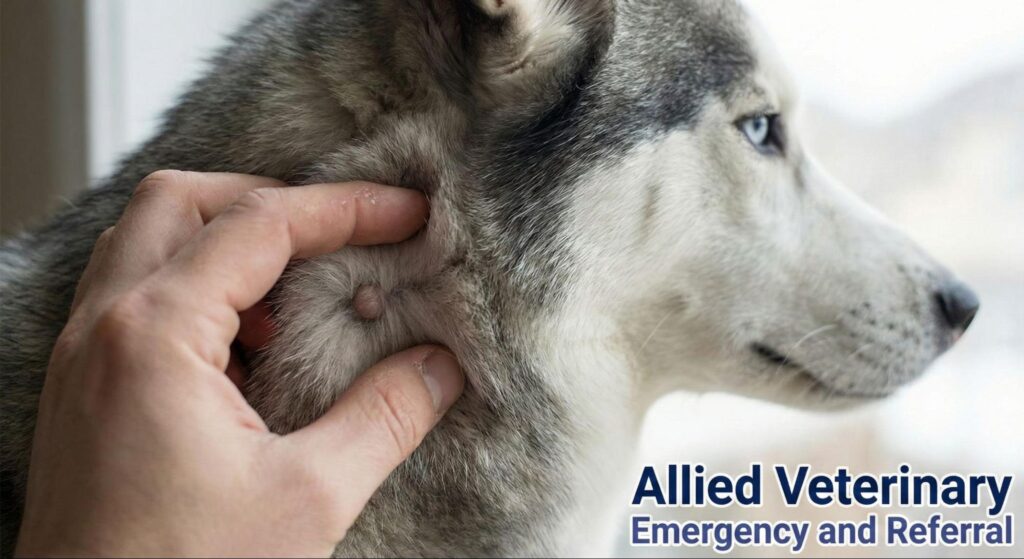
At Allied Veterinary, we understand the weight of this moment. Our approach to veterinary oncology is built on a foundation of empathy and clear communication. We are here to guide you through the complexities, providing hope and a clear path forward. This journey begins with understanding the diagnosis itself and recognizing that a dedicated team is ready to support you and your companion every step of the way. Sometimes, a concerning lump or symptom is first discovered during a visit for emergency services, making the news even more sudden. Regardless of how you arrived at this point, the focus now shifts to gathering information and creating a thoughtful plan.
The Path Forward: Diagnostic Testing & Why It’s Crucial
Once cancer is suspected or initially identified, further diagnostic steps are essential to fully understand your pet’s condition. This phase is critical because it provides the detailed information necessary to build an effective and personalized treatment strategy. Rushing into treatment without a complete picture can be less effective and more stressful for your pet. Our veterinary team uses a series of tests to confirm the cancer type, assess your pet’s overall health, and determine the extent of the disease.
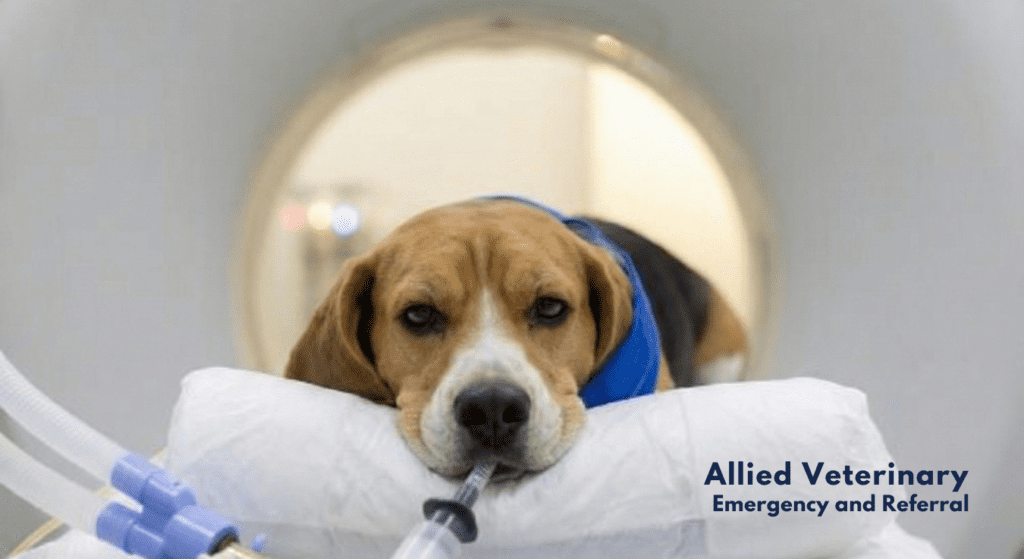
Common procedures include comprehensive blood work and urinalysis, which give us a baseline of your pet’s organ function and overall health. A biopsy, where a small tissue sample is taken from the tumor, is often the most definitive way to identify the specific type of cancer. Beyond these, we frequently use advanced diagnostic imaging techniques. X-rays can reveal tumors in the chest or bones, while an ultrasound helps us visualize organs in the abdomen. For more complex cases, a CT scan or MRI may be recommended to get a highly detailed, three-dimensional view of the affected area.
Staging and Grading Explained: Unpacking the Details
During the diagnostic process, you will likely hear the terms “staging” and “grading.” While they sound similar, they provide different types of critical information about your pet’s cancer. Understanding these concepts is vital as they directly influence treatment recommendations and help establish a prognosis.
- Staging is the process of determining how far the cancer has spread within the body. It answers the question, “Where is the cancer?” A cancer that is confined to its original location (localized) has a different prognosis and treatment plan than one that has spread to other parts of the body (metastasized), such as the lymph nodes or lungs.
- Grading describes how aggressive the cancer cells appear when examined under a microscope. It answers the question, “How aggressive does the cancer look?” A low-grade tumor consists of cells that look relatively normal and are slow-growing, while a high-grade tumor has highly abnormal cells that are likely to grow and spread quickly. This information helps predict the tumor’s behavior and guides the intensity of the recommended treatment.
Exploring Pet Cancer Treatment Options: A Focus on Quality of Life
Modern veterinary oncology offers a diverse range of treatment modalities aimed at extending and improving your pet’s life. At the heart of every treatment plan is a deep commitment to your pet’s quality of life. Unlike in human oncology, where treatment can often be very aggressive, the approach for pets is carefully balanced to minimize discomfort and preserve their happiness. The goal is to manage the cancer as a chronic disease, allowing your pet to continue enjoying their daily routines—eating, playing, and sharing affection with their family.
The treatment plan is always tailored to the individual. We consider the cancer type and stage, your pet’s age and overall health, and your family’s goals and preferences. This collaborative approach ensures that the chosen path aligns with what is best for both your pet and your family.
Common Approaches in Veterinary Oncology
There are several primary treatment options that may be used alone or in combination:
- Surgery: For localized, solid tumors, surgery is often the first line of defense. The goal is to remove the entire tumor with clean margins, meaning no cancer cells are left behind. In many cases, surgery can be curative.
- Chemotherapy: This treatment uses specialized drugs to target and destroy cancer cells throughout the body. It is typically recommended for cancers that have spread or are systemic, such as lymphoma. Pets generally tolerate chemotherapy much better than humans, with protocols designed to cause minimal side effects.
- Radiation Therapy: Radiation uses high-energy rays to shrink or destroy cancer cells in a specific, targeted area. It is often used for tumors that cannot be surgically removed completely or to relieve pain and pressure caused by a tumor.
- Immunotherapy and Targeted Therapy: These newer options harness the pet’s own immune system to fight cancer or use drugs that target specific molecular characteristics of cancer cells. They represent the cutting edge of veterinary oncology.
Prioritizing Your Pet’s Comfort and Well-being: Quality of Life During Treatment
Throughout the cancer journey, maintaining your pet’s quality of life remains the paramount goal. This guiding principle influences every decision, from the initial treatment plan to ongoing supportive care. We continually assess your pet’s comfort, happiness, and overall well-being with your direct input. This involves more than just medical treatment; it’s a holistic approach to care.
Key components of this focus include proactive pain management to ensure your pet remains comfortable and active. Nutritional support is also vital, as a healthy diet can help maintain strength and support the immune system during treatment. We work with you to manage any potential side effects from treatment, such as nausea or fatigue, often with simple medications that can make a significant difference. Just as important is maintaining a sense of normalcy. Keeping a familiar routine, engaging in favorite activities like gentle walks or playtime, and providing plenty of love and affection are essential for your pet’s emotional well-being.
The Allied Veterinary Difference: Compassionate Oncology Care
As a locally owned and independent practice with locations including Brooklyn Park, Allied Veterinary Emergency and Referral is guided by values and medical integrity, not corporate constraints. This freedom allows us to provide care that is truly human-centered and invested in the relationships we build with you and your pet. Our specialty care is built on the promise that we are invested in achieving the best possible medical outcomes, in providing thoughtful and empathetic communication, and in partnering with you through every decision.
We develop individualized treatment plans that reflect this commitment. Our team collaborates closely with pet owners and their referring veterinarians to ensure seamless, comprehensive care. We also believe that the highest quality of care should be accessible, and we strive to provide transparent and fair pricing. When you choose Allied, you are choosing a partner who will invest their time, energy, and heart into your pet’s cancer journey, ensuring you feel supported and confident in the care you receive.
Support Beyond Medicine: For You and Your Pet’s Family
A pet’s cancer diagnosis impacts the entire family. The emotional toll—the stress, anxiety, and grief—can be significant. We recognize that supporting you is just as important as treating your pet. Our entire team is committed to providing empathetic communication and guidance. We are here to answer your questions, explain complex information in a way that makes sense, and act as your partner as you navigate difficult decisions.
We strive to create a supportive environment where you feel heard and respected. Coping with pet cancer is a marathon, not a sprint, and having a reliable, compassionate support system is crucial. We will be with you at every appointment, every phone call, and every step of the process, offering not just medical expertise but also the emotional understanding that this journey requires.
Connecting with Allied Veterinary Emergency and Referral in Brooklyn Park
Finding accessible and exceptional oncology services is paramount for pet owners in Minnesota and Western Wisconsin. Allied Veterinary proudly serves communities including Minneapolis and Eden Prairie alongside Rochester and Eau Claire. Our state-of-the-art facility in Brooklyn Park is a trusted center for advanced cancer treatment. We provide compassionate care when you need it most.
If your pet has been diagnosed with cancer, you do not have to face the next steps alone. Pet owners in Brooklyn Park and the surrounding areas can find clear guidance right here. We offer dedicated oncology care to support your family. We encourage you to take the next step for your pet’s well-being. Contact us to schedule an oncology consultation and learn how we can help your beloved companion.
FAQs
What is the first thing I should do after my pet receives a cancer diagnosis?
The first thing to do is allow yourself to process the news, as it can be very emotional. Then, focus on gathering information and clarifying the diagnosis with your veterinarian. This often involves understanding the specific type of cancer, its location, and whether additional tests are needed to determine its extent. Seeking a consultation with a veterinary oncologist, like those at Allied Veterinary, is a recommended next step to explore all available options.
What diagnostic tests are typically performed after a pet cancer diagnosis?
After an initial diagnosis, veterinarians usually perform further tests such as blood work, urinalysis, biopsies, and advanced imaging like X-rays, ultrasounds, CT scans, or MRI scans. These tests are crucial for accurately staging the cancer (determining its spread) and grading its aggressiveness, which helps in planning the most effective treatment.
How do veterinary oncologists determine the best treatment plan for my pet?
Veterinary oncologists develop individualized treatment plans based on several factors, including the type and stage of cancer, your pet’s overall health and age, and your family’s preferences and resources. The goal is always to maximize your pet’s quality of life while effectively treating the cancer, often combining approaches like surgery, chemotherapy, radiation therapy, or palliative care.
Will my pet experience severe side effects from cancer treatments like chemotherapy?
Pets generally tolerate cancer treatments, especially chemotherapy, much better than humans, with a primary focus on preserving their quality of life. While some side effects, like mild nausea or fatigue, can occur, severe side effects are less common. Your veterinary oncology team will closely monitor your pet and adjust treatments to minimize discomfort.
How can I ensure my pet maintains a good quality of life during cancer treatment?
Ensuring a good quality of life involves close collaboration with your veterinary team to manage pain, provide appropriate nutrition, and address any side effects. It’s also important to maintain your pet’s normal routine as much as possible, engage in enjoyable activities, and provide ample emotional support. Your veterinary oncologist will work with you to assess and support your pet’s comfort and happiness throughout their journey.