Key Takeaways
- Recognizing a pet surgical emergency requires immediate action for the best outcomes.
- Allied Veterinary provides rapid-response, expert emergency surgery across the Twin Cities and MN.
- Our compassionate, collaborative team ensures comprehensive care from arrival to recovery.
- As a locally-owned practice, we prioritize your pet’s health and your peace of mind with transparent, invested care.
Recognizing a Pet Surgical Emergency: What to Look For
The moment you realize your pet is in distress is terrifying. Discerning a minor issue from a life-threatening crisis can be difficult, but certain signs demand immediate action. A pet surgical emergency is any condition where immediate surgical intervention is necessary to save a life, preserve organ function, or prevent catastrophic deterioration. These are not situations that can wait for a scheduled appointment.
Key indicators that your pet may need emergency surgery include:
- Severe Trauma: Obvious injuries from being hit by a car, a significant fall, or an attack by another animal. This can include visible deep wounds, broken bones, or signs of internal injury like a swollen, hard abdomen or pale gums.
- Signs of Bloat (GDV): Gastric Dilatation-Volvulus is a deadly condition, especially in deep-chested dogs. Watch for a distended and hard belly, unproductive retching or gagging, restlessness, and excessive drooling.
- Difficulty Breathing: While not always surgical, labored breathing can be a sign of chest trauma or internal bleeding that requires immediate intervention.
- Ingestion of a Foreign Object: If you know or suspect your pet has swallowed something they shouldn’t, like a toy, sock, or bone, it can cause a life-threatening intestinal blockage.
- Uncontrolled Bleeding: Any bleeding that cannot be stopped with direct pressure is a critical emergency.
- Sudden Collapse or Extreme Weakness: This could indicate internal bleeding from a ruptured tumor or organ, requiring rapid surgical exploration.
While some conditions may fall under the category of Urgent Care for Pets, the symptoms above almost always require the comprehensive capabilities of our 24/7 Emergency Services to ensure the best possible outcome.
The Allied Veterinary Rapid-Response Process: From Arrival to Intervention
From the moment you arrive at our hospital, our entire team is mobilized. We understand that you are worried, and we are invested in providing not only exceptional medical care for your pet but also clear, compassionate communication for you. As a locally-owned practice, we have the freedom to put our patients first, always.
Immediate Assessment and Stabilization
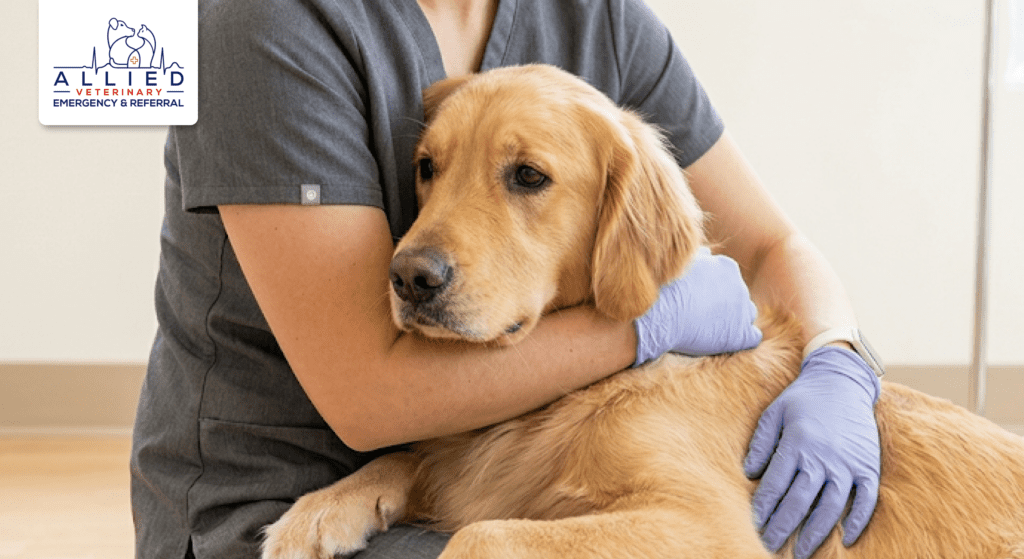
Your pet will be immediately triaged by our experienced emergency team. Our priority is to stabilize their condition. This critical phase involves a rapid physical examination to assess vital signs, pain level, and the extent of their injuries. We often place an intravenous (IV) catheter to administer fluids, which helps support blood pressure and circulation. Pain medication is administered right away to ensure your pet is as comfortable as possible. Our team works with calm efficiency to create a controlled environment, which is essential for managing a critical patient and making sound medical decisions.
Advanced Diagnostics Paving the Way
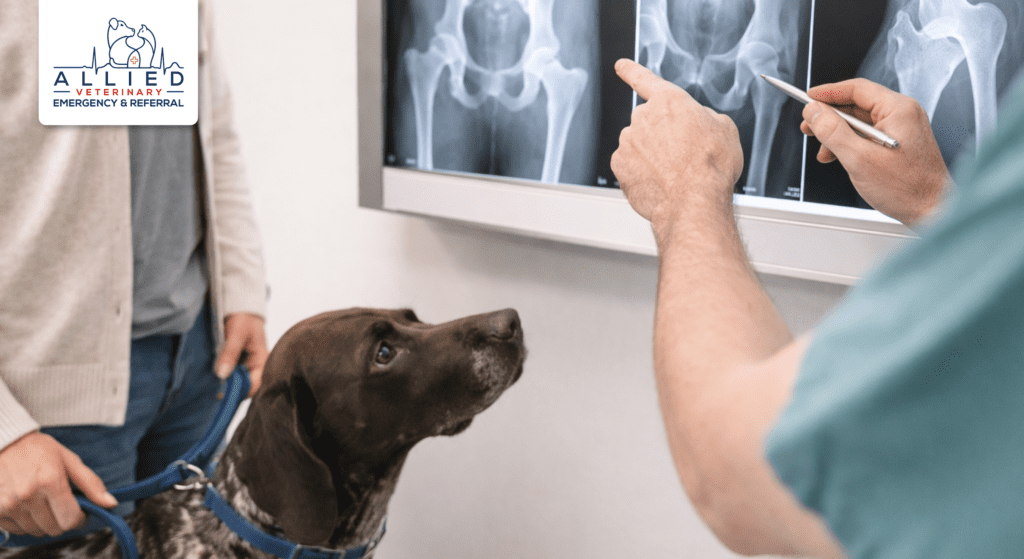
While our team stabilizes your pet, we simultaneously begin the diagnostic process. Accurate and swift diagnostics are the bedrock of a successful surgical plan. We utilize state-of-the-art Diagnostic Imaging technology, including digital X-rays and ultrasound, to see what’s happening inside your pet’s body. These tools allow us to identify internal bleeding, locate foreign objects, diagnose bloat, or assess the severity of traumatic injuries. Concurrently, our in-house laboratory runs urgent bloodwork to evaluate organ function, check for signs of infection, and ensure your pet is a stable candidate for anesthesia. This collaborative process between our emergency and surgical specialists ensures we have a complete picture before proceeding to the operating room.
Life-Saving Emergency Surgeries We Perform
Our highly skilled veterinary surgeons are prepared to handle a wide range of critical procedures around the clock. Supported by an exceptional team of technicians and state-of-the-art surgical suites, we provide advanced care when it matters most. You can learn more about our Veterinary Surgery Services, which form the foundation of our emergency capabilities.
Common Trauma-Related Surgeries
Accidents are an unfortunate reality for pets. Our surgical team is experienced in managing complex trauma cases. This can include repairing bone fractures, surgically exploring the abdomen to find and stop internal bleeding (exploratory laparotomy), repairing a ruptured diaphragm, or addressing severe wounds and lacerations that require intricate closure to promote healing.
Addressing Internal Emergencies (e.g., Bloat, Obstructions)
Internal crises are often invisible from the outside but are just as deadly. We frequently perform emergency surgeries to correct GDV (bloat), where the stomach is de-rotated and tacked to the abdominal wall (a procedure called a gastropexy) to prevent it from twisting again. Another common emergency is the removal of foreign objects from the stomach or intestines (gastrotomy or enterotomy) to relieve a dangerous obstruction. In all cases, the expertise of our board-certified surgeons and dedicated staff, who you can meet our Surgical Team, is paramount to success.
Beyond the Operating Room: Recovery and Post-Surgical Care
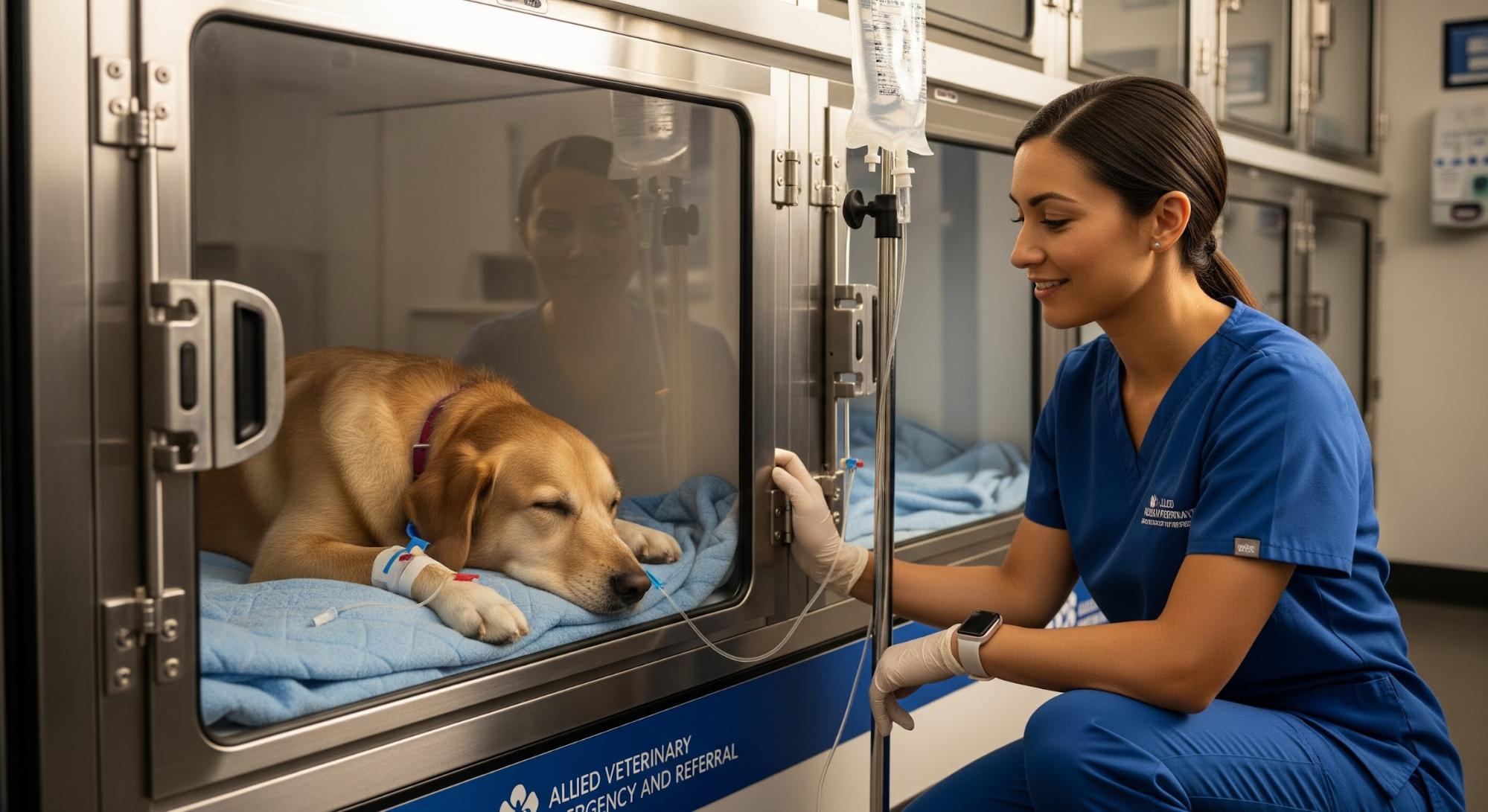
The surgery itself is only part of the journey. The post-operative period is just as critical for a successful recovery. Following surgery, your pet will be moved to our dedicated recovery area, where they will be monitored closely by our attentive team. We are deeply invested in their comfort and healing.
Our post-surgical care includes:
- Continuous Monitoring: We closely track vital signs, including heart rate, respiratory rate, and temperature, to catch any potential complications early.
- Advanced Pain Management: We use a multi-modal approach to pain control, often including a combination of injectable medications and continuous rate infusions to ensure your pet remains comfortable.
- Fluid and Nutritional Support: IV fluids are continued to maintain hydration, and we develop a plan to reintroduce food as soon as it is safe to do so.
- Clear Communication: We promise to keep you informed. You will receive regular updates from our veterinary team about your pet’s progress, and we are always here to answer your questions.
Our goal is to reunite you with your pet as soon as they are stable, providing you with detailed discharge instructions to continue their recovery at home.
Allied Veterinary: Your Trusted Partner for Emergency Pet Surgery in the Twin Cities
When facing a pet surgical emergency, you need more than just medical expertise; you need a team you can trust. As a locally-owned, independent practice, About Allied Veterinary is rooted in a commitment to our community, not corporate stakeholders. This independence allows us to focus entirely on what’s best for your pet.
Pet owners in the Twin Cities, especially those near our Allied Veterinary Brooklyn Park and Allied Veterinary Eden Prairie locations, can trust Allied Veterinary for rapid-response emergency surgery when every second counts. Our service extends across Minnesota and into Western Wisconsin, with teams also available at our Allied Veterinary Minneapolis hospital. We have several locations to serve you. Our integrated emergency and specialty departments work in seamless collaboration, ensuring your pet receives comprehensive, compassionate, and invested care from arrival through recovery. In a crisis, don’t hesitate to Contact Us for Emergency Help. We are here for you.
When Every Second Counts: Get Immediate Care
In a pet emergency, prompt action saves lives. Don’t wait—contact Allied Veterinary Emergency & Referral for 24/7 expert care in the Twin Cities and across Minnesota. Get immediate veterinary care now.
FAQs
What is considered an emergency surgery for pets?
Answer: An emergency surgery for pets refers to a procedure that must be performed immediately to save a pet’s life, prevent severe pain, or avoid critical health deterioration. This often includes cases of severe trauma, internal bleeding, gastric dilation-volvulus (bloat), foreign body obstructions, or certain types of acute organ failure.
How quickly can Allied Veterinary perform emergency surgery?
Answer: Allied Veterinary Emergency & Referral is equipped for rapid response. Our 24/7 emergency and surgical teams are structured to assess, stabilize, and initiate emergency surgery as quickly as the pet’s condition allows, often within minutes of arrival, recognizing that time is critical in these situations.
Do both the Brooklyn Park and Eden Prairie locations offer emergency surgical services?
Answer: Yes, both our Brooklyn Park and Eden Prairie locations are full-service emergency hospitals equipped with experienced surgical teams and advanced operating suites capable of performing a wide range of emergency pet surgeries around the clock.
What types of emergency surgeries are most common?
Answer: Common emergency surgeries include those for gastric dilation-volvulus (GDV/bloat), foreign body removal from the digestive tract, internal bleeding due to trauma or ruptured organs, fracture repair from accidents, wound repair, and removal of tumors causing acute problems.
What is the cost of emergency pet surgery in Minnesota?
Answer: The cost of emergency pet surgery in Minnesota can vary widely depending on the type and complexity of the procedure, necessary diagnostics, hospitalization time, and medications. As a locally-owned clinic, Allied Veterinary strives to offer accessible pricing without compromising the highest quality of care. For an estimate, please contact us directly.