Key Takeaways
- Allied Veterinary Emergency and Referral in Brooklyn Park offers advanced surgical care led by a team of experienced veterinary surgeons and specialists.
- Advanced veterinary surgery involves complex procedures beyond routine care, including specialized orthopedic, soft tissue, emergency, and oncological surgeries.
- Our surgical teams use advanced diagnostic tools and comprehensive monitoring to manage patient safety, comfort, and personalized post-operative recovery.
- Our facility provides accessible surgical care to pet owners across Brooklyn Park, Minneapolis, the Twin Cities, and Western Wisconsin.
- Independent practice ownership allows our team to focus directly on medical outcomes and clear, compassionate communication regarding your pet’s treatment.
A surgical recommendation can feel overwhelming when your pet faces a health challenge. Specialized procedures often provide the most effective, life-saving path forward for many complex conditions. If you’re a pet owner in Brooklyn Park, MN, or the surrounding Twin Cities area, you have access to exceptional care. Understanding what advanced pet surgery entails and where to find trusted specialists is the first step toward getting your companion the help they need.
At Allied Veterinary Emergency and Referral, we believe in Invested Veterinary Care, a promise that extends deeply into our surgical services. It means combining the highest standards of medical excellence with genuine compassion, ensuring you and your pet feel supported through every stage of the process.
What Is Advanced Veterinary Surgery?
Unlike routine procedures such as spaying or neutering, advanced veterinary surgery involves complex operations requiring specialized equipment and the focused skill of a board-certified veterinary surgeon. Specialists recognized as Diplomates of the American College of Veterinary Surgeons (ACVS) complete years of additional training after veterinary school, including a rigorous residency and examination process.
Advanced surgical training equips these specialists to handle challenging cases involving orthopedics, soft tissue, neurology, and oncology. Advanced surgery may also involve minimally invasive techniques, such as arthroscopy or laparoscopy, which use small incisions and cameras to reduce pain and speed recovery. The goal is to provide a solution for conditions that are too complex for general practice, ensuring your pet receives the highest possible standard of care.
Common Types of Pet Surgery
The field of advanced pet surgery is broad, covering a wide range of procedures designed to address specific and often serious health issues. Having a general understanding of these categories can help you feel more prepared when discussing options with your veterinarian.
Key Areas of Advanced Pet Surgery
Specialized veterinary surgery involves several disciplines tailored to specific medical conditions. Surgical interventions aim to restore function, alleviate pain, and improve the long-term quality of life for your companion.
- Soft Tissue Surgery: This discipline involves procedures that exclude bones or joints. Operations range from skin and internal organ tumor removals for oncology care to complex abdominal surgeries. Common interventions include correcting gastric dilatation-volvulus (GDV or bloat), removing intestinal foreign bodies, and operating on the liver, spleen, or urinary tract.
- Orthopedic Surgery: Focusing on bones, joints, and ligaments, orthopedic surgery is common in pets who have suffered trauma or have degenerative conditions. This includes fracture repairs, joint replacements, and procedures to correct ligament tears, such as the very common cruciate ligament repair in dogs.
- Emergency Surgery: When accidents or sudden, severe illnesses occur, emergency services are critical. These high-stakes procedures are performed to address life-threatening issues like internal bleeding, severe trauma, or acute intestinal blockages, where immediate intervention is necessary to save a pet’s life.
- Tumor Removal (Oncological Surgery): A key component of cancer treatment, oncological surgery aims to remove cancerous or benign masses. The goal is complete removal with clean margins to prevent recurrence, which requires precision and careful planning from a skilled veterinary surgeon.
When Do Pets Need Surgery?
A recommendation for surgery often follows a diagnosis of a specific condition that cannot be managed effectively through medication or other non-invasive treatments. Sometimes, the need is immediate and obvious, as with a traumatic injury. In other cases, it’s the result of a chronic issue that has progressively worsened.
Your primary veterinarian may recommend a surgical consultation if your pet shows signs like sudden or persistent lameness, non-healing wounds, abnormal growths, difficulty breathing or eating, or signs of intense abdominal pain. For less critical but still concerning issues, a visit to an urgent care facility can help determine the next steps. Ultimately, surgery is considered when it offers the best chance for a positive long-term outcome and a return to a healthy, comfortable life.
What Happens Before Pet Surgery?
The pre-operative phase is crucial for ensuring your pet’s safety and the success of the procedure. It begins with a comprehensive consultation with the surgical team. This is your opportunity to ask questions and understand the proposed plan.
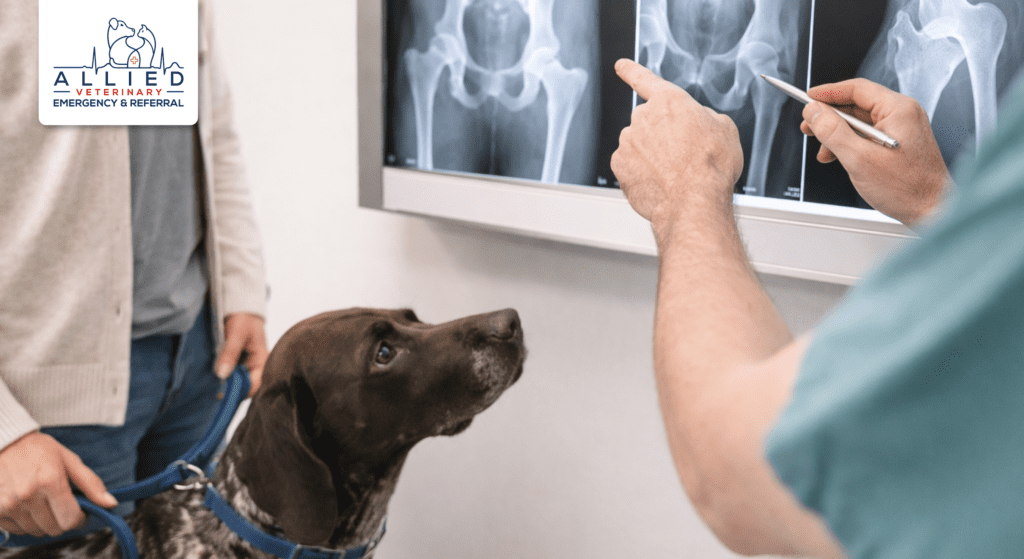
To prepare your pet, a series of pre-surgical diagnostics is performed. This almost always includes bloodwork to assess organ function and ensure your pet is a good candidate for anesthesia. Depending on the condition, advanced diagnostic imaging such as X-rays, ultrasound, or even CT scans may be required. TA’s detailed health assessment allows our surgical team to create a personalized anesthetic and surgical plan tailored to the specific needs of your pet.
How Veterinary Surgeons Perform Advanced Procedures
Advanced surgical procedures are performed in a sterile operating room with sophisticated equipment. Expertise from our veterinary surgeons drives the surgical process, supported by advanced medical technology.
Throughout the surgery, your pet’s vital signs are meticulously monitored by a trained veterinary technician. Modern anesthesia monitoring equipment tracks heart rate, blood pressure, oxygen levels, and temperature, allowing for immediate adjustments to keep your pet stable and safe. Specialized surgical instruments, advanced imaging for real-time guidance, and proven techniques are all employed to ensure the highest degree of precision and care. This combination of human skill and technological support is what makes successful outcomes in complex surgeries possible.
Post-Surgery Recovery and Monitoring for Pets
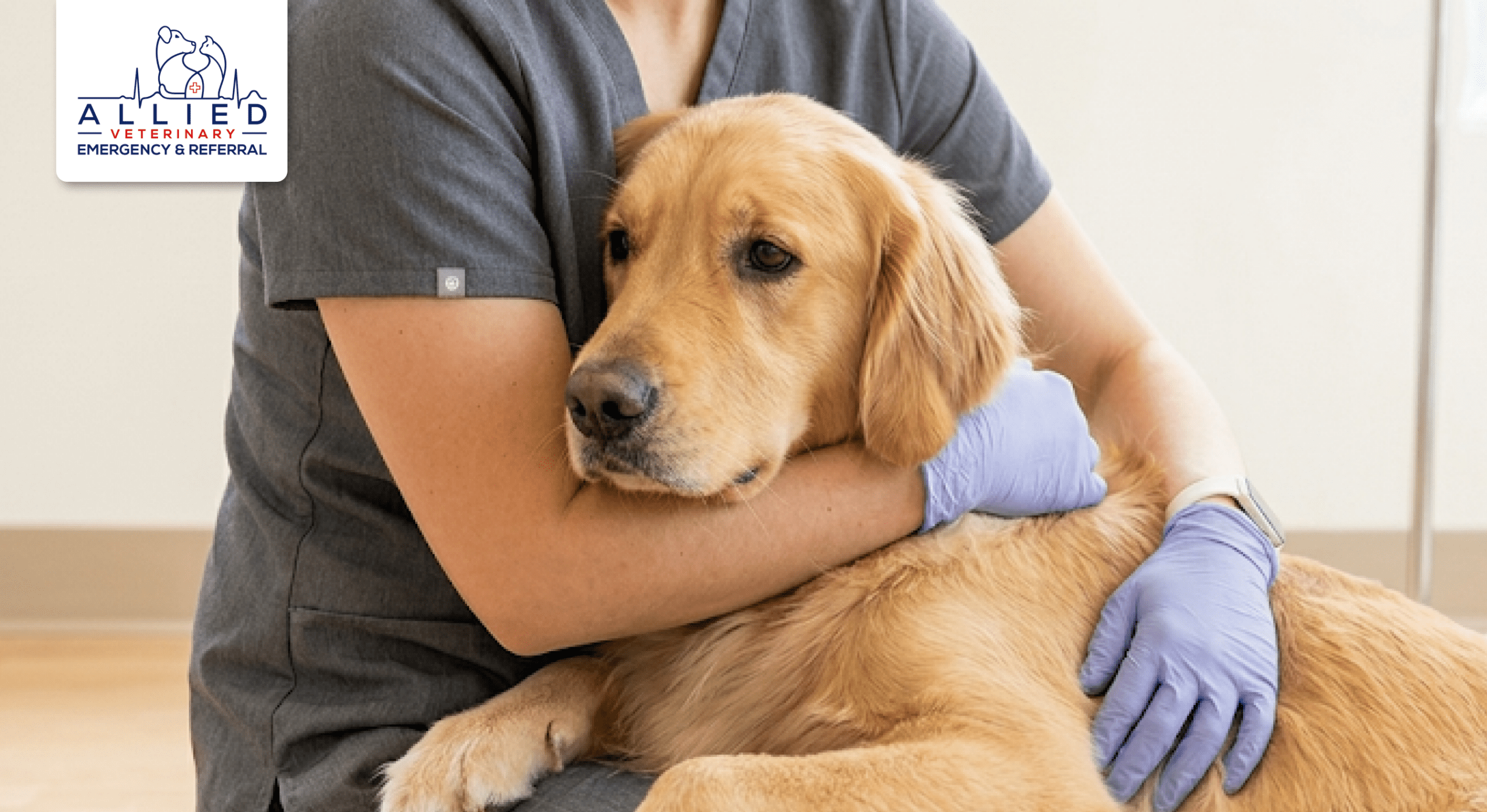
The care your pet receives after the procedure is just as important as the surgery itself. The post-operative period begins in the clinic, where your pet is closely monitored as they awaken from anesthesia. Our team focuses on ensuring your pet remains comfortable and that pain is well-managed during initial recovery.
When your pet is ready to go home, you will receive detailed instructions covering several key areas:
- Pain Management: A comprehensive plan involving prescribed medications is essential for a comfortable recovery. Adhering to your pet’s pain management strategy remains a top priority to ensure they heal safely and without unnecessary discomfort.
- Incision Care: You’ll be instructed on how to monitor the surgical site for signs of infection, such as redness, swelling, or discharge, and how to keep it clean and dry.
- Activity Restriction: Limiting your pet’s activity is crucial to prevent injury to the surgical site and allow for proper healing.
- Follow-Up Appointments: Recheck appointments are necessary to monitor healing, remove sutures, and make any adjustments to the recovery plan.

Advanced Pet Surgery at Allied Veterinary in Brooklyn Park
At Allied Veterinary Emergency and Referral, we are proud to offer advanced pet surgery in Brooklyn Park, MN. As a leading veterinary emergency group and a locally owned and independent practice, we are deeply invested in the well-being of our patients, clients, and team.
Our surgical service provides a vital component of the specialty care offered at Allied Veterinary. Our surgeons utilize advanced diagnostic tools and sophisticated surgical techniques to provide high-value care. This level of excellence is sustained by our 24/7 staffing, advanced specialized machinery, and immediate board-certified triage, while our commitment to transparent pricing ensures you can make informed decisions for your pet’s welfare.
Serving Minneapolis and the Twin Cities With Advanced Veterinary Surgery
While our facility is located in Brooklyn Park, we are a short 10-minute drive from Maple Grove, ensuring pet owners in the area have immediate, expert emergency support when every second counts. Our mission is to serve as a vital resource for pet owners across the entire region, and our location is conveniently accessible to residents of Minneapolis, the greater Twin Cities, and communities throughout Minnesota and Western Wisconsin.
Accessing expert veterinary surgery shouldn’t require traveling great distances. We provide advanced surgical options within your community and collaborate closely with your primary veterinarian to ensure seamless care. Contact Allied Veterinary Emergency & Referral to discuss surgical options for your pet.
Frequently Asked Questions
What distinguishes advanced pet surgery from routine procedures?
Advanced pet surgery involves complex, specialized procedures that go beyond routine operations like spays or neuters. These surgeries often require extensive training, specialized equipment, and are frequently performed by board-certified veterinary surgeons for challenging conditions or when traditional treatments are insufficient.
How can I determine if my pet needs advanced surgical care?
If your pet exhibits persistent pain, lameness, unexplained growths, difficulty with bodily functions, or has suffered significant trauma, your primary veterinarian may recommend a consultation for advanced surgical evaluation.
What preparation is typically involved for advanced pet surgery?
Preparation usually includes a thorough physical examination, comprehensive diagnostic tests such as bloodwork, X-rays, or ultrasound, and a detailed consultation to discuss the surgical plan, risks, and expected outcomes.
What kind of support is provided for pets during and after advanced surgery?
During surgery, pets receive advanced anesthetic monitoring and pain management. Post-surgery, care includes a personalized pain management plan, detailed incision care instructions, activity restrictions, and close monitoring to ensure a smooth recovery.
Why choose Allied Veterinary Emergency and Referral for advanced pet surgery in Brooklyn Park?
Allied Veterinary Emergency and Referral in Brooklyn Park offers advanced surgical expertise from experienced veterinary surgeons, state-of-the-art facilities, and a compassionate, invested approach to patient and client care, ensuring the highest quality outcomes for your pet.